





Bush Stone-curlew
Burhinus grallarius
The Bush Stone-curlew is a funny-looking bird with long legs and big eyes. It likes to stay hidden during the day and comes out at night to look for food like insects and small animals.
Habitat: Grasslands
The Bush Stone-curlew has a mottled grey-brown body that blends perfectly with dry leaves and ground cover. It features large, piercing yellow eyes, long greenish-grey legs with thick 'knees', and a relatively thick, short bill. Its distinctive markings include streaked underparts and a pale eyebrow.
Category
BirdsRarity
Common
Danger
1/5 · Very low
Snaps
Be the first to snap!
Bush Stone-curlew chicks are precocial, able to run and forage soon after hatching!
Their haunting, wailing calls are often heard echoing through the night in Australia!
These birds often stand on one leg for long periods, appearing like feathered statues!
They sometimes perform unique "dance" displays, especially during courtship rituals!
Bush Stone-curlews can freeze perfectly still for hours, relying on their camouflage to become almost invisible.
Bush Stone-curlews have huge yellow eyes that help them hunt small prey expertly under the cover of darkness.
Bush Stone-curlews can fake a broken wing to distract predators away from their vulnerable eggs or chicks.
Bush Stone-curlews can make loud, wailing calls to communicate with each other or warn of danger.
They are nocturnal hunters, feasting on insects, small reptiles, and even tiny mammals they find!
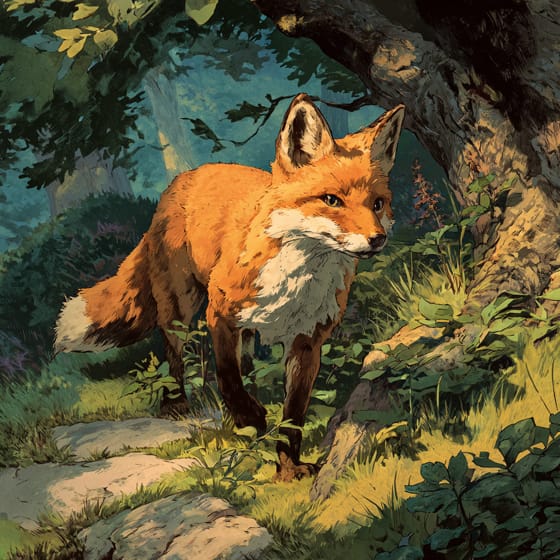
Vulpes vulpes
Introduced predator that hunts adults and chicks.
Canis dingo
Native predator, often preys on eggs, chicks, and adults.

Rattus rattus
Bush Stone-curlews hunt and eat these small rodents.
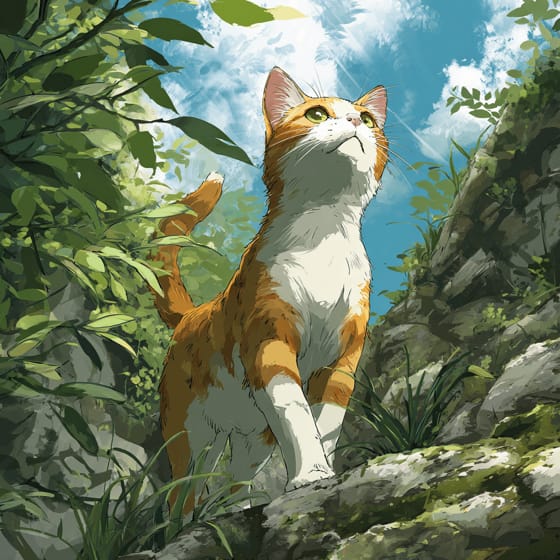
Felis catus
Feral cats are significant predators of eggs and chicks.
Feathered describes animals, primarily birds, possessing a covering of feathers.
Solitary animals live alone for most of their lives, only interacting with others for mating or parental care.
Camouflaged describes organisms that possess coloring or patterns that allow them to blend into their environment.
Grassland habitats are terrestrial biomes dominated by grasses and herbaceous plants, supporting a variety of grazing animals.

This trait identifies organisms whose diet primarily consists of insects and other small invertebrates.

This trait identifies organisms that exhibit exceptional swiftness in movement for hunting, escape, or travel.

Nocturnal animals are primarily active during the nighttime hours, typically resting or sleeping during the day.
No aliases listed yet.
Danger
1/5 · Very low
If you see a Bush Stone-curlew, watch quietly from a distance so you don’t scare it.
The easiest way to identify Bush Stone-curlew is to use the Snappit nature identifier app.
54-60 cm
80-100 cm
0.6-1.1 kg
10-15 years
60 km/h
They are nocturnal hunters, feasting on insects, small reptiles, and even tiny mammals they find!
Grasslands
Zoom in to split clusters and explore where this object has been snapped.
Recent snaps will appear here as new observations are added.
Take the discovery with you
Snap it with Snappit to identify it, learn what makes it special, and add the discovery to your collection.




.jpg&width=800)









