





Egyptian Rousette
Rousettus aegyptiacus
The Egyptian Rousette is a fruit bat that loves to eat yummy fruits! They have big ears and can see well in the dark, which helps them find food at night.
Habitat: Caves and forests
The Egyptian Rousette is a medium-sized bat with reddish-brown fur, large dark eyes, and a long, pointed muzzle that makes it look somewhat like a fox. It has simple, pointed ears and a small clawed thumb on its wings.
Category
MammalsRarity
Common
Danger
2/5 · Low
Snaps
Be the first to snap!
Baby bats, called pups, cling to their mom's fur, riding along during flight!
Sometimes called 'dog-faced bats' because of their pointy snout!
They are one of the few bats that 'see' using sound made by their tongue!
They sleep upside down, hanging by their feet, always ready to fly!
Egyptian Rousette has large eyes that help them see well in dim light to navigate and find delicious fruits.
Egyptian Rousette can make rapid tongue clicks to echolocate, helping them navigate dark caves and find food.
Egyptian Rousette can sniff out ripe fruit from a distance, even in the dark, using their amazing sense of smell.
These fruit bats love to eat fresh fruits and nectar, helping plants spread their seeds.
Age differences: Pups drink milk from their mothers, then gradually transition to a diet of fruits and nectar.

Ficus carica
Enjoys ripe figs, dispersing their tiny seeds.
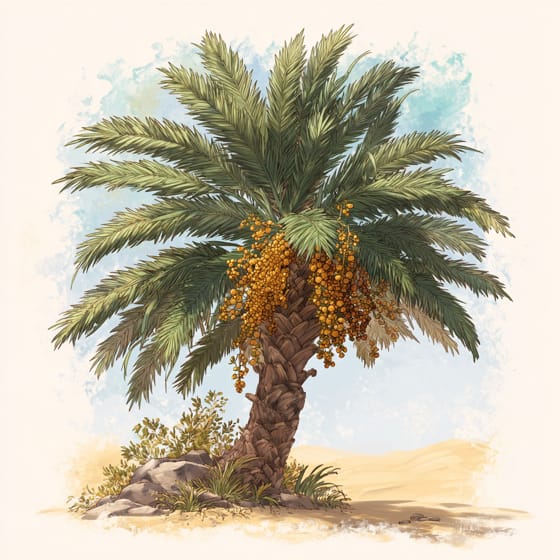
Phoenix dactylifera
Feeds on sweet dates, helping to spread date palm seeds.
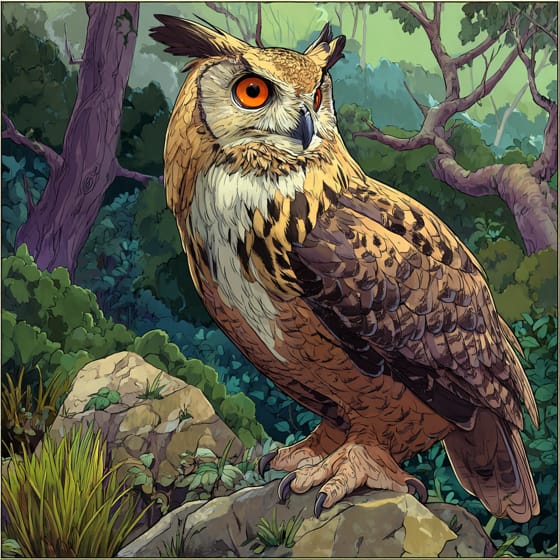
Bubo bubo
A nocturnal predator that can catch bats in flight.
Canis aureus
Might prey on bats found near the ground or cave entrances.
Furry describes animals possessing a dense covering of soft hair or fur.
Social animals live in organized groups, cooperating for survival benefits such as foraging, defense, and raising offspring.
Cave dwelling describes organisms specifically adapted to live in underground cave systems, often exhibiting specialized traits due to lack of light.
This trait characterizes organisms whose diet consists entirely or primarily of plant material.

Echolocation is a biological sonar used by animals to navigate, hunt, and communicate by emitting sound waves and interpreting the echoes.

Forest habitats are terrestrial environments dominated by dense tree cover, supporting a high diversity of plant and animal life.

Describes a species whose presence and role have a disproportionately large effect on its environment.

This trait identifies organisms that exhibit exceptional swiftness in movement for hunting, escape, or travel.

Nocturnal animals are primarily active during the nighttime hours, typically resting or sleeping during the day.

Describes organisms that transfer pollen, enabling the fertilization and reproduction of plants.
Danger
2/5 · Low
Bats are wild animals and should be admired from a distance. Never try to touch or catch one.
The easiest way to identify Egyptian Rousette is to use the Snappit nature identifier app.
14-18 cm
60-70 cm
0.08-0.17 kg
8-22 years
25 km/h
These fruit bats love to eat fresh fruits and nectar, helping plants spread their seeds.
Caves and forests
Zoom in to split clusters and explore where this object has been snapped.
Recent snaps will appear here as new observations are added.
Take the discovery with you
Snap it with Snappit to identify it, learn what makes it special, and add the discovery to your collection.




.jpg&width=800)


.JPG&width=800)


.jpg&width=800)
