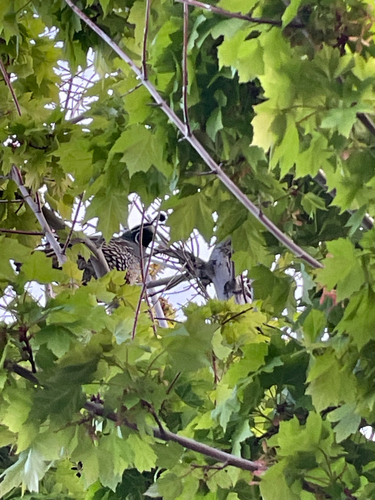
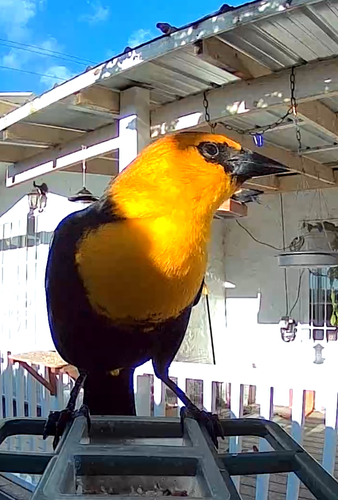
Ring Billed Gull

Grand Coulee is a geological marvel, an ancient riverbed etched into Washington's landscape.
Grand Coulee is a geological marvel, an ancient riverbed etched into Washington's landscape. This National Natural Landmark stretches approximately 50 miles, offering dramatic basalt cliffs, dry waterfalls, and a testament to cataclysmic Ice Age floods. It is bisected into Upper and Lower Grand Coulee, featuring lakes like Banks Lake and Lake Roosevelt, as well as the colossal Grand Coulee Dam, one of the world's largest concrete structures. The breathtaking scenery, shaped by millennia of geological forces, makes it a unique destination for nature enthusiasts and those seeking to understand the immense power of nature.
The area provides abundant opportunities for outdoor recreation, from exploring the massive Dry Falls, once five times wider and twice as tall as Niagara Falls, to boating, fishing, and kayaking on its numerous lakes. Visitors can also delve into the human history at the Grand Coulee Dam Visitor Center, which features hands-on exhibits, free documentaries, and guided tours detailing the dam's construction and its role in irrigation and hydroelectric power. The region is also a haven for wildlife, with diverse bird species, including migrating Sandhill Cranes and resident Bald Eagles, populating the shrub-steppe habitats and wetlands.
Grand Coulee offers an unforgettable experience, blending spectacular natural history with significant human engineering achievements. From the geological formations that tell a story of immense floods and volcanic activity to the sheer scale of the Grand Coulee Dam and its nightly laser light show, it provides educational insights and stunning vistas. Whether you're hiking rugged trails, enjoying watersports on the lakes, or simply marveling at the landscape, Grand Coulee promises a memorable adventure for all ages. Wondering what that bird or insect is? Find out on your visit using the Snappit nature app.
and geology enthusiasts * Outdoor adventurers (boating, fishing, hiking) * Photography
Take a guided tour of the Grand Coulee Dam.
* Experience the nightly laser light show on the dam.
* Visit the Grand Coulee Dam Visitor Center for educational exhibits.
* Explore Dry Falls State Park and its visitor center.
* Hike or photograph Steamboat Rock.
* Enjoy fishing, boating, or kayaking on Lake Roosevelt or Banks Lake.
* Go birdwatching for species like Bald Eagles, Sandhill Cranes, and various waterfowl.
* Visit the Lake Lenore Caves, carved by the same floodwaters as Dry Falls, and once used by prehistoric Native Americans.
* Stroll along the Downriver Trail, a paved path offering views of the Columbia River below the dam.
The Grand Coulee Dam Visitor Center is fully accessible, featuring accessible restrooms and service animals are allowed. Many viewpoints and parks in the area, such as Douglas Park, offer paved sidewalks and accessible picnic areas for scenic views of the dam.
Explore interactive exhibits, watch documentaries about the dam's construction, and learn about its impact on the region.
A spectacular nightly projection onto the dam's face, telling the history of the dam and surrounding area.
Witness the immense scale of the ancient waterfall and learn about the Ice Age floods at the Dry Falls Visitor Center.
A prominent geological feature that rises dramatically from Banks Lake, offering hiking and scenic views.
Each card links to a full Explore page with photos, traits, and fun facts.
Start with the big picture, then zoom in to explore individual wildlife observations around this place.
Check Laser Light Show Times
The nightly "One River, Many Voices" laser light show is a must-see, but its start time varies with sunset, so confirm the schedule before your visit, especially if planning to stay late.
Arrive Early for Dam Tours
Guided tours of the John W. Keys III Pump-Generating Plant are free and offered on a first-come, first-served basis; arriving early can help secure a spot.
Explore Beyond the Dam
While the dam is impressive, allocate time to visit nearby geological sites like Dry Falls State Park, Lake Lenore Caves, and Steamboat Rock for a more complete experience of the Grand Coulee.
Bring Binoculars
Enhance your viewing of distant geological formations, wildlife (especially birds of prey and waterfowl), and the dam's features from various viewpoints.
Pack for the Climate
The region can experience hot summers and cold winters. Dress in layers and bring sun protection, hats, and plenty of water, especially if hiking.
Utilize Visitor Centers
Start your visit at the Grand Coulee Dam Visitor Center and the Dry Falls Visitor Center to gain context, pick up maps, and learn about the area's history and geology.
May 20, 2026
Photo attribution
no rights reserved
License: CC0 1.0 ↗
Image may be shown cropped inside the card frame.
May 1, 2026
Photo attribution
(c) elik03, some rights reserved (CC BY)
License: CC BY 4.0 ↗
Image may be shown cropped inside the card frame.
Apr 22, 2026
Photo attribution
(c) solidstate, some rights reserved (CC BY)
License: CC BY 4.0 ↗
Image may be shown cropped inside the card frame.
Apr 20, 2026
Photo attribution
(c) solidstate, some rights reserved (CC BY)
License: CC BY 4.0 ↗
Image may be shown cropped inside the card frame.
Apr 17, 2026
Photo attribution
(c) solidstate, some rights reserved (CC BY)
License: CC BY 4.0 ↗
Image may be shown cropped inside the card frame.

Maryland, US
You might spot White-Tailed Deer and Eastern Gray Squirrel.
View guide →
.jpg)
District of Columbia, US
You might spot Eastern Gray Squirrel, Duck, and House Sparrow.
View guide →

Illinois, US
You might spot American Robin, Canada Goose, and House Sparrow.
View guide →

Virginia, US
You might spot Spotted Lanternfly and Northern Cardinal.
View guide →
Take the discovery with you
Identify the wildlife you spot, learn as you go, and keep a collection of the adventure.