





California Red-legged Frog
Rana draytonii
The California Red-legged Frog is a special frog that loves to hop around in wet places. It has beautiful red spots on its legs and a big, round body. These frogs are great jumpers and can leap far!
Habitat: Wetlands
The California Red-legged Frog is a large, sturdy amphibian with reddish-brown or gray skin mottled with black spots. It is easily distinguished by the prominent red or salmon color on the underside of its powerful hind legs and lower belly. Its dorsal skin can appear rough or warty.
Category
AmphibiansRarity
Rare
Danger
1/5 · Very low
Snaps
3
Its calls sound like soft grunts or "ribbit-ribbit" croaks, especially in spring!
Its huge egg masses can contain over 6,000 eggs, like jelly balloons!
Mark Twain's famous jumping frog story was set in its historic habitat!
These frogs can absorb water and oxygen right through their smooth, moist skin!
California Red-legged Frog can jump up to 20 feet because of its powerful hind legs, helping it escape danger.
California Red-legged Frog can stay submerged for over 20 minutes, which helps it hide from predators.
California Red-legged Frog has a lightning-fast, sticky tongue that helps it snatch insects from the air or water.
California Red-legged Frog has mottled brown and gray skin that helps it blend perfectly into muddy pond edges.
This frog is a hungry predator, snatching up insects and other small creatures with its quick tongue!
Age differences: Tadpoles eat algae and detritus, while adults are carnivores eating insects and small animals.
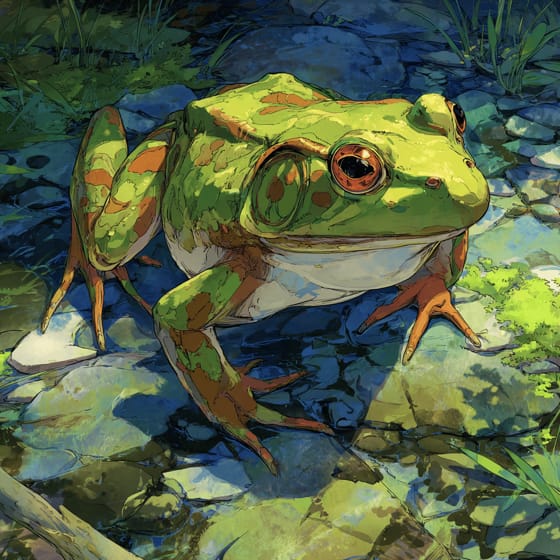
Rana catesbeiana
Invasive bullfrogs prey heavily on both tadpoles and adult frogs.
Thamnophis atratus
Gartersnakes are common predators, hunting adults and tadpoles near water.
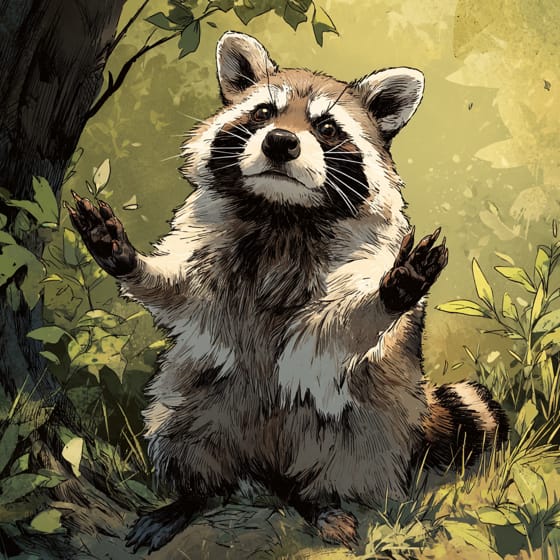
Procyon lotor
Raccoons forage along pond edges, preying on adult frogs and eggs.
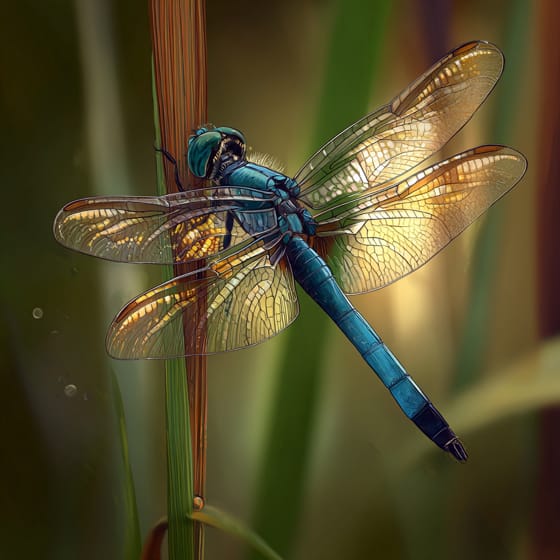
Pachydiplax longipennis
Adult frogs snatch dragonflies from the air or water surface.
Marked with spots or patches of a different color.
Solitary animals live alone for most of their lives, only interacting with others for mating or parental care.
Colorful describes organisms or objects displaying a wide range of bright and distinct colors.
This trait identifies organisms whose diet primarily consists of insects and other small invertebrates.

This trait characterizes organisms with an exceptionally long lifespan compared to others of their kind.

This habitat trait identifies species found in wetlands, which are areas of land saturated with water, either permanently or seasonally, including marshes, swamps, and bogs.

Diurnal animals are primarily active during daylight hours, typically resting or sleeping at night.

Describes a species whose presence and role have a disproportionately large effect on its environment.

Aquatic habitats encompass environments where organisms live predominantly in water, including oceans, rivers, lakes, and wetlands.

Endangered status indicates a species is at a very high risk of extinction in the wild in the near future.
Danger
1/5 · Very low
Always watch frogs from a distance and don't touch them, as they can be sensitive.
The easiest way to identify California Red-legged Frog is to use the Snappit nature identifier app.
4-13 cm
0.015-0.13 kg
8-12 years
5 km/h
This frog is a hungry predator, snatching up insects and other small creatures with its quick tongue!
Wetlands
Ambush
Zoom in to split clusters and explore where this object has been snapped.

California, US
You might spot White-Crowned Sparrow and Bermuda Buttercup.
View guide →

California, US
You might spot Western Gull, Sea Lion, and Great Blue Heron.
View guide →

California, US
You might spot Western Gull, Sea Lion, and Great Blue Heron.
View guide →

California, US
You might spot Snowy Egret, Duck, and American Crow.
View guide →
Take the discovery with you
Snap it with Snappit to identify it, learn what makes it special, and add the discovery to your collection.









.JPG&width=800)


.jpg&width=800)