





California Tree Frog
Pseudacris cadaverina
The California Tree Frog is a small, green frog that loves to hop around in wet places. They are great at climbing and can often be found resting on leaves or branches.
Habitat: Wetlands
The California Tree Frog has warty, grey-brown to olive skin, often mottled with darker blotches, which helps it blend perfectly with its rocky surroundings. A distinct dark mask extends from its snout through its eye, making it visually different from many smoother-skinned tree frogs.
Category
AmphibiansRarity
Common
Danger
1/5 · Very low
Snaps
Be the first to snap!
Baby California Tree Frogs, called tadpoles, munch on algae before transforming into bug-eating adults.
Their unique call sounds like a 'wrah-wrah-wrah,' a bit like sandpaper, not a typical frog 'ribbit'!
These tiny frogs can leap over 2 meters (6 feet) in a single bound, an incredible distance for their size!
Unlike many frogs, the California Tree Frog has bumpy, warty skin that helps it mimic the texture of stones.
California Tree Frogs have special adhesive toe pads that help them climb smooth rocks and plants, allowing them to escape predators and find high perches.
California Tree Frog can change its color and uses its warty skin to blend into rocks and bark, making it nearly invisible to hungry animals.
California Tree Frog can absorb water directly through its skin from damp surfaces, which helps them stay hydrated without needing to drink.
These frogs are expert hunters, using their sticky tongues to snatch up small insects and spiders.
Age differences: Young tadpoles eat algae and plant matter in the water, while adult frogs eat insects and small invertebrates.
Thamnophis hammondii
A common native snake that hunts small amphibians.
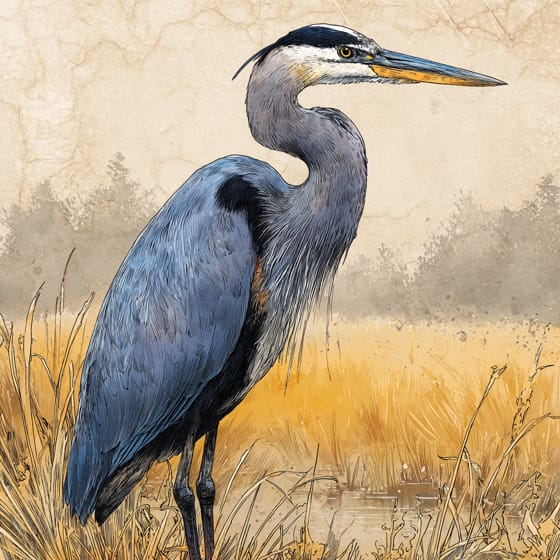
Ardea herodias
Large wading bird that preys on frogs in shallow waters.
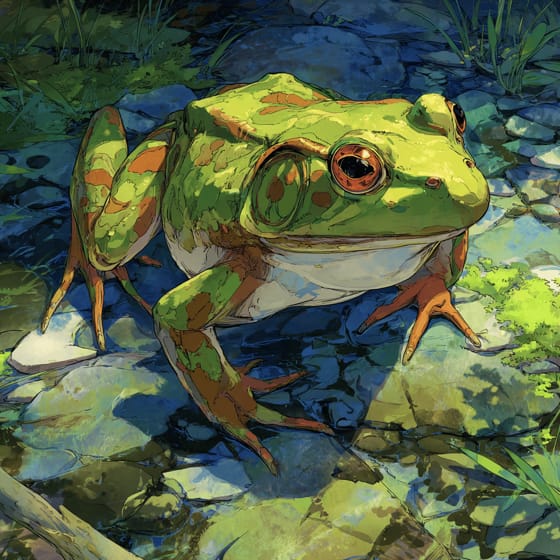
Rana catesbeiana
Invasive frog that preys on smaller native amphibians.
Musca domestica
Catches flies and other flying insects with its sticky tongue.
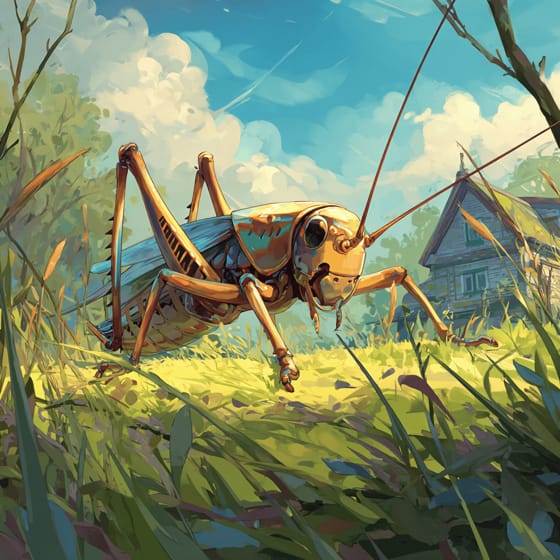
Gryllus domesticus
Actively ambushes crickets and other terrestrial invertebrates.
Arboreal animals live primarily in trees, utilizing them for shelter, food, and protection from predators.
Camouflaged describes organisms that possess coloring or patterns that allow them to blend into their environment.
Colorful describes organisms or objects displaying a wide range of bright and distinct colors.
This trait identifies organisms whose diet primarily consists of insects and other small invertebrates.

This habitat trait identifies species found in wetlands, which are areas of land saturated with water, either permanently or seasonally, including marshes, swamps, and bogs.

Nocturnal animals are primarily active during the nighttime hours, typically resting or sleeping during the day.

Describes organisms that transfer pollen, enabling the fertilization and reproduction of plants.

Endangered status indicates a species is at a very high risk of extinction in the wild in the near future.
No aliases listed yet.
Danger
1/5 · Very low
Always watch frogs from a distance and don't touch them, as they can be delicate.
The easiest way to identify California Tree Frog is to use the Snappit nature identifier app.
2.5-5 cm
0.002-0.01 kg
5-9 years
3.6 km/h
These frogs are expert hunters, using their sticky tongues to snatch up small insects and spiders.
Wetlands
Ambush
Zoom in to split clusters and explore where this object has been snapped.
Recent snaps will appear here as new observations are added.
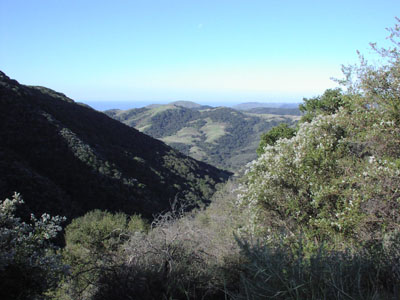
California, US
You might spot Western Fence Lizard and Canyon Sunflower.
View guide →

California, US
You might spot Western Fence Lizard and California Buckwheat.
View guide →

California, US
You might spot Brown Pelican, Western Fence Lizard, and Duck.
View guide →
Take the discovery with you
Snap it with Snappit to identify it, learn what makes it special, and add the discovery to your collection.







.JPG&width=800)

.jpg&width=800)

