





Brown Pelican

Lotusland is a horticultural paradise, recognized as one of the world's top ten gardens.
Lotusland is a horticultural paradise, recognized as one of the world's top ten gardens. This 37-acre estate in Montecito, California, is a vibrant testament to one woman's artistic vision and passion for exotic plants. It offers a unique blend of horticultural beauty, avant-garde design, and historical significance, making it an enchanting destination for garden enthusiasts and casual visitors alike.
Wander through 20 distinct gardens, each showcasing a unique theme and an astonishing array of exotic and rare plant species. Highlights include the dramatic Cactus Garden, featuring towering columnar cacti; the prehistoric-feeling Cycad Garden, home to nearly half of the world's known cycad species; and the tranquil Japanese Garden, recently renovated with accessible pathways. Don't miss the Water Garden, where vibrant lotuses bloom profusely from June to September, or the whimsical Topiary Garden with its sculpted animal shapes and horticultural clock.
Lotusland is more than just a collection of plants; it's a living work of art that captivates and inspires. Madame Ganna Walska's eccentric taste and innovative landscape design create a memorable experience, inviting visitors to reimagine gardening and landscape art. Every turn presents a dramatic surprise, making it a must-visit for anyone seeking beauty, serenity, and horticultural wonder. Eager to name that creature? Identify any animal you find during your visit using the Snappit app.
Lotusland's remarkable story began in 1941 when Madame Ganna Walska, a Polish opera singer, socialite, and passionate horticulturist, purchased the Montecito estate. For the next 43 years, until her death in 1984, Walska dedicated herself to transforming the property into the botanical masterpiece seen today. Initially, she intended to name it "Tibetland" and invite Tibetan monks to reside there. The estate itself had existing Spanish Colonial Revival style buildings and alterations commissioned by the Gavit family between 1921 and 1927, designed by architect George Washington Smith, including the distinctive pink walls. Following Madame Walska's passing, the property transitioned into a non-profit botanical garden, officially opening to the public in 1993, allowing visitors worldwide to experience her extraordinary legacy.
Take a self-guided stroll, utilizing QR codes and interpretive signs, or opt for an informative docent-led tour to delve into the garden's history and horticulture. Immerse yourself in the unique design of each themed garden and appreciate Madame Walska's artistic vision evident in plant juxtapositions and whimsical elements.
Beyond the general blooming seasons, Lotusland occasionally hosts special events such as "Autumn Al Fresco Picnics" and an annual "Summer Gala," offering unique ways to experience the gardens. Check their schedule for specific event dates.
ADA/wheelchair accessible tours are available, and visitors can request an accessibility map at the Visitor Center to navigate the most suitable paths. A limited number of wheelchairs are also available for loan. Note that as a historic estate, some paths may not be fully ADA-compliant. The Japanese Garden has been renovated to include ADA-compliant pathways.
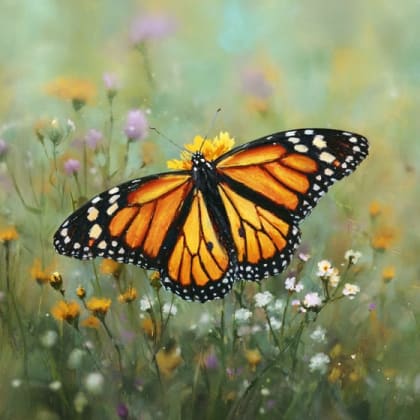
Explore the towering specimens in the Cactus Garden, the rare "living fossils" of the Cycad Garden, and the serene beauty of the Japanese Garden. The Water Garden is a spectacle, particularly when the lotuses are in bloom. Other must-sees include the whimsical Topiary Garden, the colorful Aloe Garden with its Abalone Pool, and the vibrant Bromeliad Garden. Don't miss the striking Blue Garden and the butterfly-attracting Insectary Garden with its aviary.
Each card links to a full Explore page with photos, traits, and fun facts.
Start with the big picture, then zoom in to explore individual wildlife observations around this place.
Book Early
Reservations are essential and fill up quickly, especially during peak seasons. Book at least 3-4 weeks in advance.
Wear Appropriate Attire
Comfortable walking shoes are a must, as you'll be exploring for up to two hours. Bring sunscreen, a hat, and sunglasses for protection.
Arrive On Time
Plan to arrive 15 minutes before your scheduled reservation, as gates close shortly after the tour begins and late arrivals may not be accommodated.
Consider a Docent-Led Tour
For first-time visitors or those keen on learning more about the garden's history and specific plant collections, a docent-led tour is highly recommended.
Parking Specifics
Each reservation typically includes one complimentary vehicle ticket. Carpooling is encouraged, as additional vehicles may incur a fee based on availability. Neighborhood parking is strictly prohibited.
Follow Garden Rules
To preserve the delicate environment, visitors are asked to stay on designated paths and refrain from touching the plants. Personal photography is permitted, but tripods and outfit changes are not.

Maryland, US
You might spot White-Tailed Deer and Eastern Gray Squirrel.
View guide →
.jpg)
District of Columbia, US
You might spot Eastern Gray Squirrel, Duck, and House Sparrow.
View guide →

Illinois, US
You might spot American Robin, Canada Goose, and House Sparrow.
View guide →

Virginia, US
You might spot Spotted Lanternfly and Northern Cardinal.
View guide →
Take the discovery with you
Identify the wildlife you spot, learn as you go, and keep a collection of the adventure.










.jpg&width=800)






