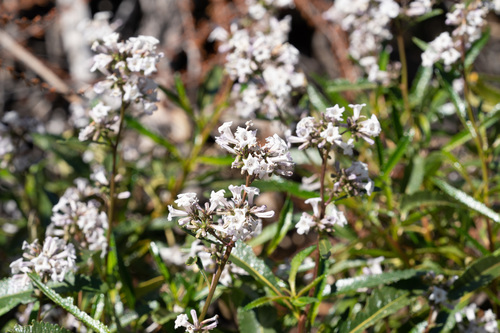


California Yerba Santa
eriodictyon californicum
California Yerba Santa (Eriodictyon californicum), translating to "holy herb" in Spanish, is an aromatic, evergreen shrub native to the dry slopes and chaparral of California and Oregon. Historically revered by Native American tribes and early Spanish settlers alike, this resilient plant has been used for centuries in traditional herbal medicine, particularly as an infusion to soothe coughs, colds, and sore throats. It is a pioneer species that excels at stabilizing scorched soils and regenerating rapidly after wildfires, making it an ecological cornerstone of post-fire landscape recovery.
Habitat: Found on dry, sunny ridges, chaparral slopes, and open oak or coniferous woodlands, particularly thriving in disturbed sites or post-wildfire zones.
This woody, branching shrub grows between 100 to 300 centimeters in height. Its most identifying feature is its thick, leathery, lance-shaped leaves that are coated in a shiny, highly sticky resin that glistens in the sun. These dark green leaves have coarsely toothed edges and a pale, fuzzy, felt-like texture on their undersides. In late spring and summer, the plant produces beautiful, trumpet-shaped flowers in tight, branching clusters, with colors ranging from pristine white to soft lavender and purple.
Category
PlantsRarity
Common
Danger
1/5 · Very low
Snaps
1
Chewing the fresh leaves initially tastes bitter, but it soon triggers a sweet taste sensation in the mouth due to a natural sweetener compound called sterubin.
It is incredibly drought-tolerant and can survive in poor, rocky, and mineral-heavy soils where many other plant species fail to grow.
Native Americans used the sticky resin on the leaves as a natural chewing gum and as a durable sealant for waterproofing woven baskets and securing arrowheads.
The Spanish name 'Yerba Santa' translates to 'holy herb' because early Catholic missionaries were amazed by its ability to soothe various respiratory ailments.
Exudes a thick, sticky resin over its leaves that reduces water loss, blocks harsh ultraviolet rays, and deters hungry herbivores.
Utilizes a deep, vigorous root system to sprout quickly after wildfires, acting as an essential pioneer species in scorched ecosystems.
Produces high concentrations of natural antioxidants and bitter compounds like eriodictyol that protect the plant from pathogens.
As a photosynthetic plant, Yerba Santa produces its own organic energy using sunlight, carbon dioxide, and water absorbed from the soil.

Euphydryas chalcedona
Acts as an essential larval host plant for this native butterfly species.
Apis mellifera
Provides rich, sweet nectar for bees, which pollinate the shrub in return.
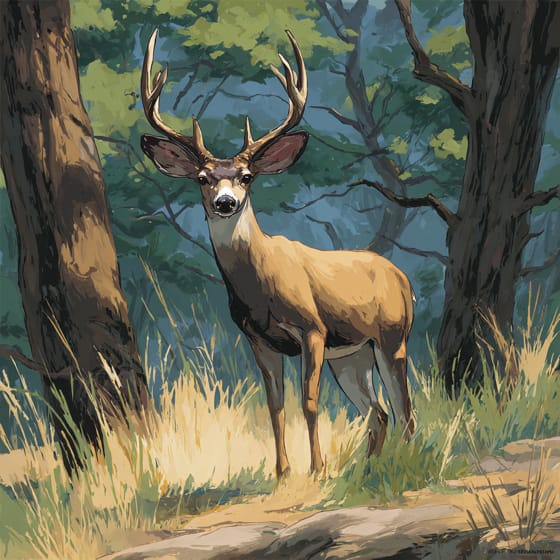
Odocoileus hemionus
Occasionally browses the sticky foliage for nourishment during dry seasons.
No trait badges are assigned for this object yet.
No aliases listed yet.
Collections for this object will appear here as more themes are added.
Danger
1/5 · Very low
No special safety notes yet.
The easiest way to identify California Yerba Santa is to use the Snappit nature identifier app.
100-300 cm
10-30 years
As a photosynthetic plant, Yerba Santa produces its own organic energy using sunlight, carbon dioxide, and water absorbed from the soil.
Found on dry, sunny ridges, chaparral slopes, and open oak or coniferous woodlands, particularly thriving in disturbed sites or post-wildfire zones.
Zoom in to split clusters and explore where this object has been snapped.

California, US
You might spot Toyon, Mule Deer, and White Globe Lily.
View guide →

California, US
You might spot Western Redbud and Harlequin Lupine.
View guide →

California, US
You might spot Hoary Rock-Rose, Brittleleaf Manzanita, and Chaparral Pea.
View guide →

California, US
You might spot Sonoma Sage, White Globe Lily, and Mute Swan.
View guide →
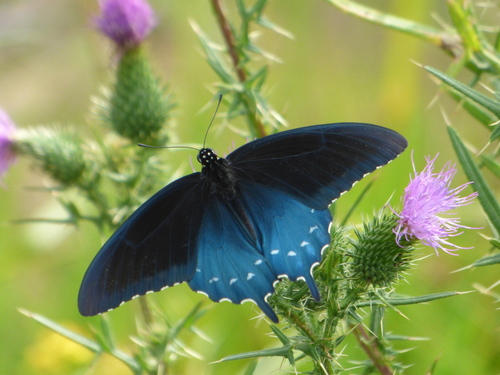
California, US
You might spot Pipevine Swallowtail and Western Fence Lizard.
View guide →
Take the discovery with you
Snap it with Snappit to identify it, learn what makes it special, and add the discovery to your collection.












.jpg&width=800)



_001.jpg&width=800)




