





Variable Checkerspot
Euphydryas chalcedona
The Variable Checkerspot is a colorful butterfly with beautiful orange and black patterns. They flutter around in sunny meadows and are fun to spot during warm days.
Habitat: Grasslands
The Variable Checkerspot is a medium-sized butterfly with striking black, orange, and white checkerboard patterns across its wings. Its vibrant markings can vary greatly, making each individual's pattern unique and often different across populations.
Category
InsectsRarity
Common
Danger
1/5 · Very low
Snaps
11
Most of this butterfly's life is spent as a hungry caterpillar, munching leaves before becoming an adult!
Some Variable Checkerspots can live high in mountain habitats where it's often quite chilly!
They use sunshine to warm up their bodies, helping them fly faster and explore their world with ease!
This butterfly's name means 'beautiful' in Greek, matching its intricate, gemstone-like wing patterns!
Variable Checkerspot caterpillars eat certain plants that make them taste bad to predators, protecting them from hungry birds.
The Variable Checkerspot has a long, straw-like proboscis that helps them sip sweet nectar from deep inside flowers.
Variable Checkerspots can display different wing patterns and color intensities depending on where they live.
Caterpillars munch on leaves, while adult butterflies sip flower nectar for energy.
Age differences: Caterpillars consume plant leaves; adult butterflies feed exclusively on flower nectar.
Castilleja affinis
Larvae munch on its leaves.
Plantago lanceolata
Caterpillars feed on its foliage.
.jpg&width=800)
Sayornis nigricans
Feeds on adult butterflies.

Eriogonum fasciculatum
Adults visit flowers for nectar.
Social animals live in organized groups, cooperating for survival benefits such as foraging, defense, and raising offspring.
Colorful describes organisms or objects displaying a wide range of bright and distinct colors.
Grassland habitats are terrestrial biomes dominated by grasses and herbaceous plants, supporting a variety of grazing animals.
This trait characterizes organisms whose diet consists entirely or primarily of plant material.

Describes plants that are particularly attractive and beneficial to a wide range of pollinating organisms.

This trait characterizes organisms with an exceptionally long lifespan compared to others of their kind.

Diurnal animals are primarily active during daylight hours, typically resting or sleeping at night.

Threatened status denotes a species likely to become endangered in the foreseeable future without effective conservation interventions.

Describes organisms that transfer pollen, enabling the fertilization and reproduction of plants.
No aliases listed yet.
Danger
1/5 · Very low
Be gentle and quiet when watching butterflies so you don't scare them away.
The easiest way to identify Variable Checkerspot is to use the Snappit nature identifier app.
32-57 mm
20-30 mm
10-30 days
15 km/h
Caterpillars munch on leaves, while adult butterflies sip flower nectar for energy.
Grasslands
Foraging
Zoom in to split clusters and explore where this object has been snapped.

California, US
You might spot Monarch, Bee, and Anise Swallowtail.
View guide →

California, US
You might spot Sunburst Anemone, Western Gull, and Giant Coreopsis.
View guide →

California, US
You might spot Pipevine Swallowtail and Western Fence Lizard.
View guide →
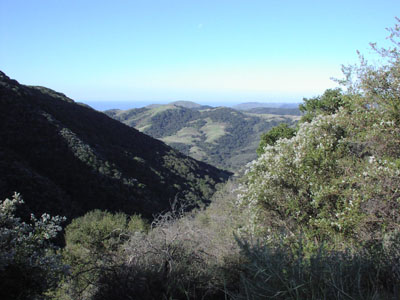
California, US
You might spot Western Fence Lizard and Canyon Sunflower.
View guide →

California, US
You might spot Duck, Snowy Egret, and Black-Necked Stilt.
View guide →

California, US
You might spot Hoary Rock-Rose, Brittleleaf Manzanita, and Chaparral Pea.
View guide →
Take the discovery with you
Snap it with Snappit to identify it, learn what makes it special, and add the discovery to your collection.






.jpg&width=800)



