





Cameraria nemoris
Cameraria nemoris
Cameraria nemoris is a tiny moth that loves to hide in trees. Its beautiful wings are often brown and blend in with the bark, making it hard to spot!
Habitat: Forests
The Cameraria nemoris is a tiny moth, usually 2-4mm long, with slender bodies and a wingspan of 4-8mm. Its forewings are mottled with shimmering brown, grey, and white scales, often forming indistinct patterns. Unlike many larger moths, its minute size and delicate appearance are its most distinguishing visual traits.
Category
InsectsRarity
Common
Danger
1/5 · Very low
Snaps
Be the first to snap!
Its scientific name, 'nemoris,' means 'of the woods,' perfect for where it lives!
Some Cameraria nemoris moths are so small, you might need a magnifying glass to see them!
These tiny moths often sneakily live inside tree leaves their whole caterpillar life!
When Cameraria nemoris caterpillars eat, they leave cool squiggly patterns on leaves!
Cameraria nemoris larvae can sculpt tunnels within tree leaves, because this behavior helps them feed and stay hidden from hungry predators.
Cameraria nemoris has mottled wings that help them blend seamlessly with tree bark or dead leaves, protecting them from keen-eyed birds.
Cameraria nemoris can complete its life cycle quickly, producing multiple generations in a year, which helps them thrive.
Cameraria nemoris larvae munch on the juicy insides of oak leaves.
Age differences: Adult moths do not feed, while larvae exclusively consume leaf tissue.
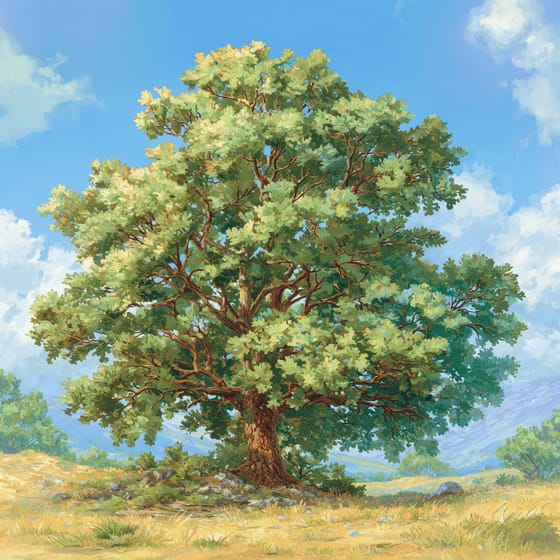
Quercus alba
Larvae feed exclusively on its leaves.

Poecile carolinensis
Tiny moths and larvae are a food source for birds.
Pnigalio flavipes
Larvae are targeted by parasitic wasps.
Solitary animals live alone for most of their lives, only interacting with others for mating or parental care.
Camouflaged describes organisms that possess coloring or patterns that allow them to blend into their environment.
This trait characterizes organisms whose diet consists entirely or primarily of plant material.
Describes plants that are particularly attractive and beneficial to a wide range of pollinating organisms.

Forest habitats are terrestrial environments dominated by dense tree cover, supporting a high diversity of plant and animal life.

Pertaining to species that are significantly smaller than typical or average for their kind.

Nocturnal animals are primarily active during the nighttime hours, typically resting or sleeping during the day.

Describes organisms that transfer pollen, enabling the fertilization and reproduction of plants.
No aliases listed yet.
Danger
1/5 · Very low
Moths are usually harmless, but it's best to look and not touch them.
The easiest way to identify Cameraria nemoris is to use the Snappit nature identifier app.
4-8 mm
2-4 mm
7-14 days
Cameraria nemoris larvae munch on the juicy insides of oak leaves.
Forests
Grazing
6
Zoom in to split clusters and explore where this object has been snapped.
Recent snaps will appear here as new observations are added.

British Columbia, CA
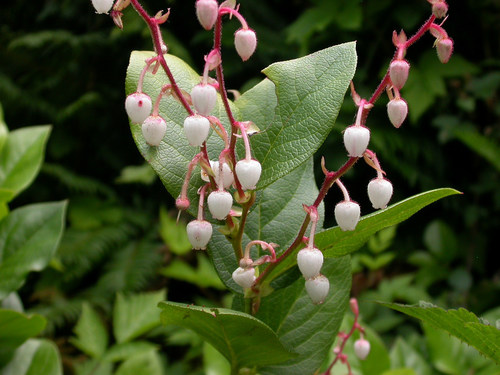
You might spot Salal, Evergreen Huckleberry, and Douglas Fir.
View guide →
British Columbia, CA
You might spot Salal, Small Ground-Cone, and Evergreen Huckleberry.
View guide →
Take the discovery with you
Snap it with Snappit to identify it, learn what makes it special, and add the discovery to your collection.








.jpg&width=800)



