





Campanula
Campanula
Campanulas are beautiful flowers that come in many colors like blue, purple, and white. They have bell-shaped petals and grow in gardens, meadows, and forests.
Habitat: Gardens, Meadows, Forests
The Campanula has delicate, often bell-shaped or star-shaped flowers that typically hang downwards. These blooms come in shades of vibrant blue, purple, white, and sometimes pink, often appearing in clusters or along elegant stems.
Category
PlantsRarity
Common
Danger
1/5 · Very low
Snaps
Be the first to snap!
Ancient stories say that pixies and fairies love to hide inside the bell-shaped flowers of Campanula.
Some rare Campanula species only grow on specific cliffs, clinging to the rocks like tiny floral acrobats.
The tiny dust-like seeds of some Campanulas are so small, you might need a magnifying glass!
With over 400 species, Campanula flowers come in a stunning variety of shapes and sizes!
Campanula has unique markings inside its bells that act like landing strips, guiding busy insects directly to its nectar and pollen.
Many Campanula species can anchor themselves in rocky crevices and poor soils, helping them thrive where other plants might struggle.
Some Campanulas produce abundant tiny seeds that can easily spread and germinate, allowing them to colonize new areas.
Apis mellifera
visits flowers for nectar and pollen
Bombus terrestris
buzz pollinates for pollen release

Cornu aspersum
feeds on young leaves and stems
Bell-shaped flowers possess petals fused or arranged to form a cup-like or campanulate structure resembling a bell.
Flowering plants are any plants that produce flowers as part of their reproductive cycle.
Fragrant flowers emit a pleasant aroma, often to attract pollinators or for defense.
Medicinal plants possess chemical compounds that can be used for therapeutic purposes to treat illnesses or maintain health.

This trait signifies organisms belonging to a very old evolutionary group with ancestors dating back millions of years.

Describes organisms that transfer pollen, enabling the fertilization and reproduction of plants.
No aliases listed yet.
Danger
1/5 · Very low
Enjoy looking at campanulas but avoid picking them to let them grow and be beautiful for everyone to see.
The easiest way to identify Campanula is to use the Snappit nature identifier app.
10-100 cm
15-60 cm
1-5 cm
Late spring to late summer
Yes
None
Perennial
Zoom in to split clusters and explore where this object has been snapped.
Recent snaps will appear here as new observations are added.
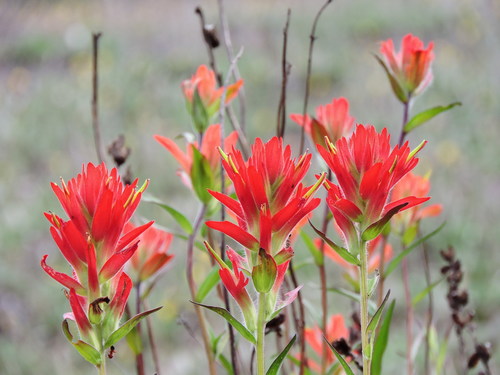
British Columbia, CA
You might spot Giant Red Paintbrush, Lupines, and Broadleaf Arnica.
View guide →
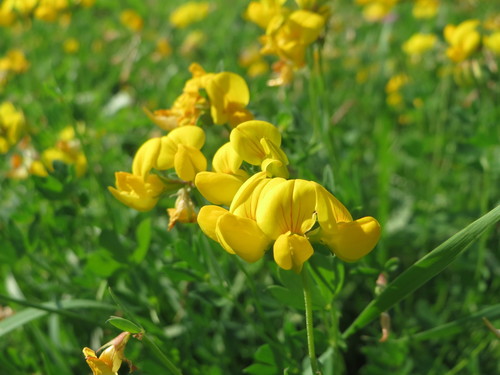
Ontario, CA
You might spot Bird's-Foot Trefoil, Dandelions, and Bellflowers.
View guide →
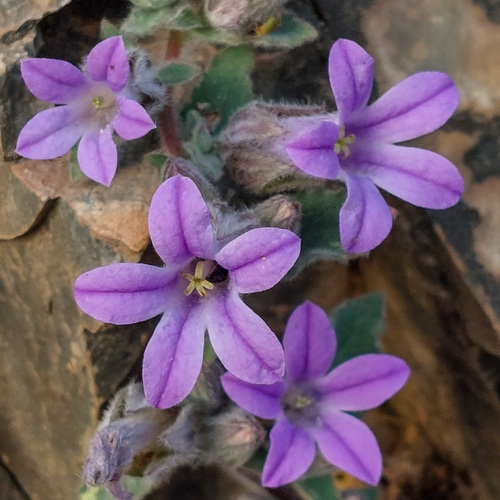
British Columbia, CA
You might spot Bellflowers, Thimbleberry, and Common Bracken.
View guide →
Take the discovery with you
Snap it with Snappit to identify it, learn what makes it special, and add the discovery to your collection.








.jpg&width=800)


_001.jpg&width=800)




