





Western Rattlesnake Plantain
Goodyera oblongifolia
The Western Rattlesnake Plantain is a beautiful plant with shiny, dark green leaves that look like they have a snake's pattern! It grows in shady places and is often found in forests.
Habitat: Forests
The Western Rattlesnake Plantain has deep green leaves with prominent white or silvery veins that create a striking net-like pattern, resembling a reptile's skin. Its tall stalk bears small, greenish-white, bell-shaped flowers arranged in a distinct spiral.
Category
PlantsRarity
Common
Danger
1/5 · Very low
Snaps
15
Its leaves stay green all year round, even under a blanket of snow in cold climates!
The plant's distinctive leaf patterns inspired its name, not because snakes eat it!
This amazing plant is actually a type of orchid, related to some of the world's most exotic flowers!
Western Rattlesnake Plantain grows its tiny seeds in pods, and they are as light as dust for wind dispersal!
Western Rattlesnake Plantain has patterned leaves that may mimic snake scales, possibly deterring plant-eating animals.
This plant forms a special partnership with soil fungi to absorb vital nutrients, especially in shady, poor soil.
It has evergreen leaves that stay vibrant all winter, letting it gather sunlight even when other plants are dormant.
Lasioglossum vierecki
Visits its small flowers for nectar and pollen.
Rhizoctonia repens
Provides essential nutrients to the orchid's roots.
Pseudotsuga menziesii
Thrives in the cool shade provided by its canopy.
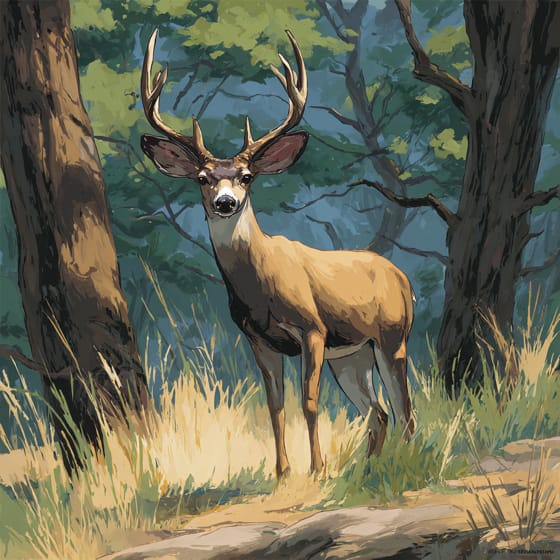
Odocoileus hemionus
Its leaves might occasionally be browsed by deer.
Marked with spots or patches of a different color.
Flowering plants are any plants that produce flowers as part of their reproductive cycle.
Shade tolerant plants are adapted to grow and thrive in areas with low light levels, requiring less direct sunlight.
Evergreen plants retain their foliage throughout the year, never shedding all their leaves at once.

Medicinal plants possess chemical compounds that can be used for therapeutic purposes to treat illnesses or maintain health.

Describes plants that are particularly attractive and beneficial to a wide range of pollinating organisms.

Forest habitats are terrestrial environments dominated by dense tree cover, supporting a high diversity of plant and animal life.
No aliases listed yet.
Danger
1/5 · Very low
Do not touch plants without asking an adult, as some may not be safe.
The easiest way to identify Western Rattlesnake Plantain is to use the Snappit nature identifier app.
10-40 cm
15-30 cm
0.5-1 cm
Summer
No
None
Perennial
Zoom in to split clusters and explore where this object has been snapped.

Washington, US
You might spot Barrow's Goldeneye and Pacific Banana Slug.
View guide →

Washington, US
You might spot Whitebark Pine, Subalpine Larch, and White Pasqueflower.
View guide →

US
You might spot Variable Carpet Moth, Bald Eagle, and Red Huckleberry.
View guide →

Colorado, US
You might spot Black-Billed Magpie and Twinberry Honeysuckle.
View guide →
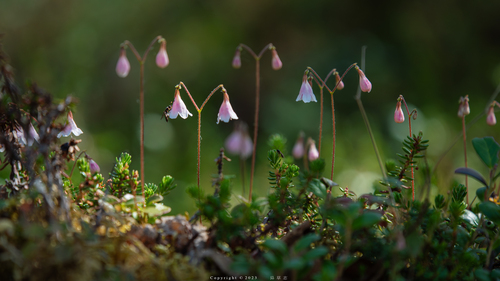
British Columbia, CA
You might spot Twinflower and Western Rattlesnake Plantain.
View guide →

British Columbia, CA
You might spot Green Comma, Mourning Cloak, and Hoary Comma.
View guide →
Take the discovery with you
Snap it with Snappit to identify it, learn what makes it special, and add the discovery to your collection.







.jpg&width=800)



_001.jpg&width=800)


