





Camphorweed
Heterotheca subaxillaris
Camphorweed is a bright yellow flower that grows in sunny places. It has long, narrow leaves and can be found in fields and along roadsides. Its cheerful flowers attract butterflies and bees!
Habitat: Grasslands
The Camphorweed is a tall, upright plant with many branching stems covered in small, sticky hairs. It has bright yellow, daisy-like flowers with many petals, clustered at the ends of its branches, and lance-shaped green leaves.
Category
PlantsRarity
Common
Danger
1/5 · Very low
Snaps
6
Wow! Camphorweed's tiny seeds can stay active in the soil for years, waiting for the perfect time to sprout!
Wow! Each bright yellow flower is actually made up of many tiny, individual flowers grouped together!
Wow! Its strong scent comes from special oils, just like the camphor used in VapoRub!
Wow! This tough plant loves to grow where others struggle, like roadsides and sandy beaches!
Camphorweed has sticky, glandular hairs that trap small insects, helping it defend against pesky plant-eaters.
Its leaves produce a strong camphor-like oil that deters most hungry herbivores from taking a bite.
Camphorweed can thrive in disturbed, poor, and sandy soils where many other plants struggle to grow.
Apis mellifera
Gathers nectar and pollen from its flowers.
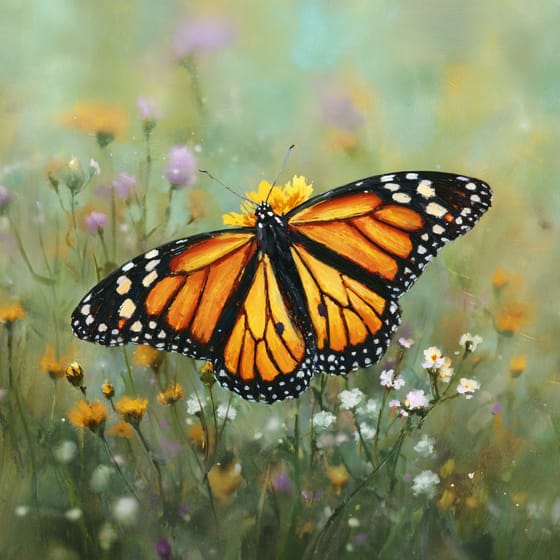
Danaus plexippus
Visits flowers for nectar.

Bombus impatiens
Collects pollen and nectar.
Aromatic plants produce and emit fragrant volatile organic compounds, often for defense or to attract pollinators.
Flowering plants are any plants that produce flowers as part of their reproductive cycle.
Summer blooming plants produce their flowers during the summer season, often providing vibrant color when many other plants have finished.
Fragrant flowers emit a pleasant aroma, often to attract pollinators or for defense.

Grassland habitats are terrestrial biomes dominated by grasses and herbaceous plants, supporting a variety of grazing animals.

Describes plants that are particularly attractive and beneficial to a wide range of pollinating organisms.

Rapid growing plants exhibit accelerated growth rates, quickly increasing in size and biomass within a short period.
No aliases listed yet.
Danger
1/5 · Very low
Always look but don't touch plants without asking an adult.
The easiest way to identify Camphorweed is to use the Snappit nature identifier app.
30-150 cm
30-90 cm
1-2.5 cm
Late Summer to Fall
No
Mild
Perennial
Zoom in to split clusters and explore where this object has been snapped.

Georgia, US
You might spot Gulf Fritillary, Anole, and American Beautyberry.
View guide →

Oklahoma, US
You might spot Lace Hedgehog Cactus and Star Cloak Fern.
View guide →

Texas, US
You might spot Giraffes, Tiger, and Hippopotamus.
View guide →

Arkansas, US
You might spot Bronzed Tiger Beetle, Green Treefrog, and American Kestrel.
View guide →

Alabama, US
You might spot Horned Passalus Beetle and American Sweetgum.
View guide →

Georgia, US
You might spot Broad-Winged Hawk and Common Buckeye.
View guide →
Take the discovery with you
Snap it with Snappit to identify it, learn what makes it special, and add the discovery to your collection.








.jpg&width=800)


_001.jpg&width=800)




