





Canada Darner
Aeshna canadensis
The Canada Darner is a beautiful dragonfly with bright colors! It loves to fly around near water and catch small insects to eat. Watching them zoom by is like seeing a little superhero in the sky!
Habitat: Wetlands
The Canada Darner is a large dragonfly with a striking blue abdomen marked with yellow or green spots, often arranged in pairs. Its thorax is typically brown with two prominent green or yellow stripes on each side, contrasting with its large, greenish-blue eyes.
Category
InsectsRarity
Common
Danger
1/5 · Very low
Snaps
Be the first to snap!
Adult Canada Darners can migrate hundreds of kilometers in groups during fall.
Canada Darners spend years as camouflaged underwater nymphs before emerging as adults.
Their huge eyes have tens of thousands of tiny lenses, creating an amazing mosaic view.
These ancient insects have been flying Earth's skies for over 300 million years!
Canada Darner has huge compound eyes that give it almost 360-degree vision, helping them spot prey or predators in any direction.
Canada Darner can hover, fly backward, and change direction instantly because each of its four wings moves independently.
Canada Darner nymphs can breathe underwater using special gills, allowing them to live hidden for years before transforming.
A swift aerial hunter, it snatches pesky mosquitoes, flies, and other small insects right out of the air!
Age differences: Nymphs eat aquatic insects and tadpoles, while adults hunt flying insects.
Culex pipiens
Adults actively hunt and eat mosquito adults.
Musca domestica
Adults swiftly catch and consume various types of flies.
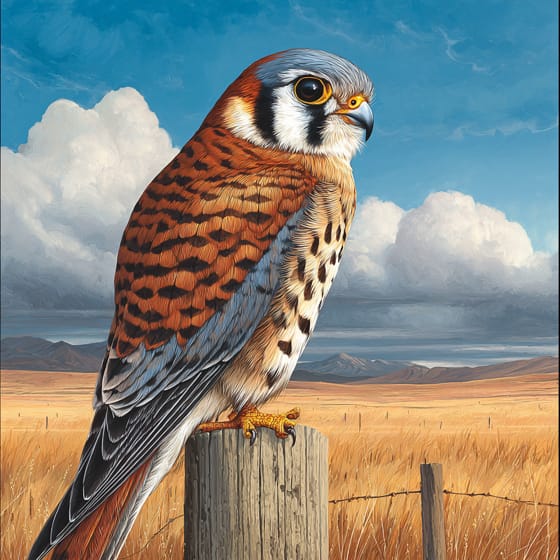
Falco sparverius
Adult Canada Darners can be prey for swift-flying birds.
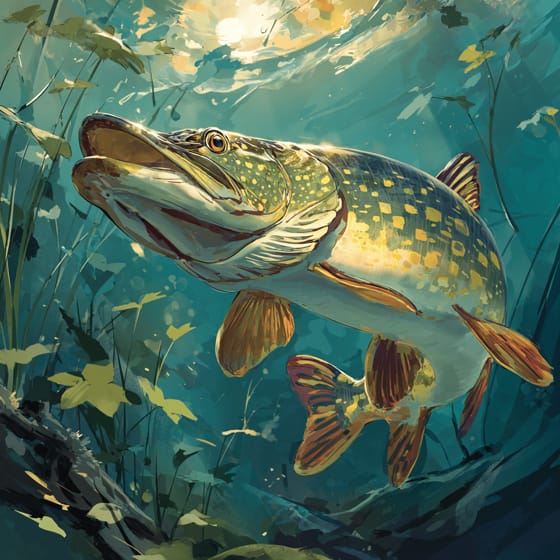
Esox lucius
Nymphs living underwater are prey for larger fish.
Aerial creatures spend a significant portion of their lives airborne, utilizing flight for various activities such as hunting, migration, or nesting.
Colorful describes organisms or objects displaying a wide range of bright and distinct colors.
This trait identifies organisms whose diet primarily consists of insects and other small invertebrates.
This habitat trait identifies species found in wetlands, which are areas of land saturated with water, either permanently or seasonally, including marshes, swamps, and bogs.

Diurnal animals are primarily active during daylight hours, typically resting or sleeping at night.

This trait identifies organisms that exhibit exceptional swiftness in movement for hunting, escape, or travel.

Describes organisms that transfer pollen, enabling the fertilization and reproduction of plants.
No aliases listed yet.
Danger
1/5 · Very low
Dragonflies are friendly and won't hurt you, but it's best to watch them from a distance.
The easiest way to identify Canada Darner is to use the Snappit nature identifier app.
90-110 mm
60-76 mm
365-1460 days
25-50 km/h
A swift aerial hunter, it snatches pesky mosquitoes, flies, and other small insects right out of the air!
Wetlands
Pursuit
Zoom in to split clusters and explore where this object has been snapped.
Recent snaps will appear here as new observations are added.
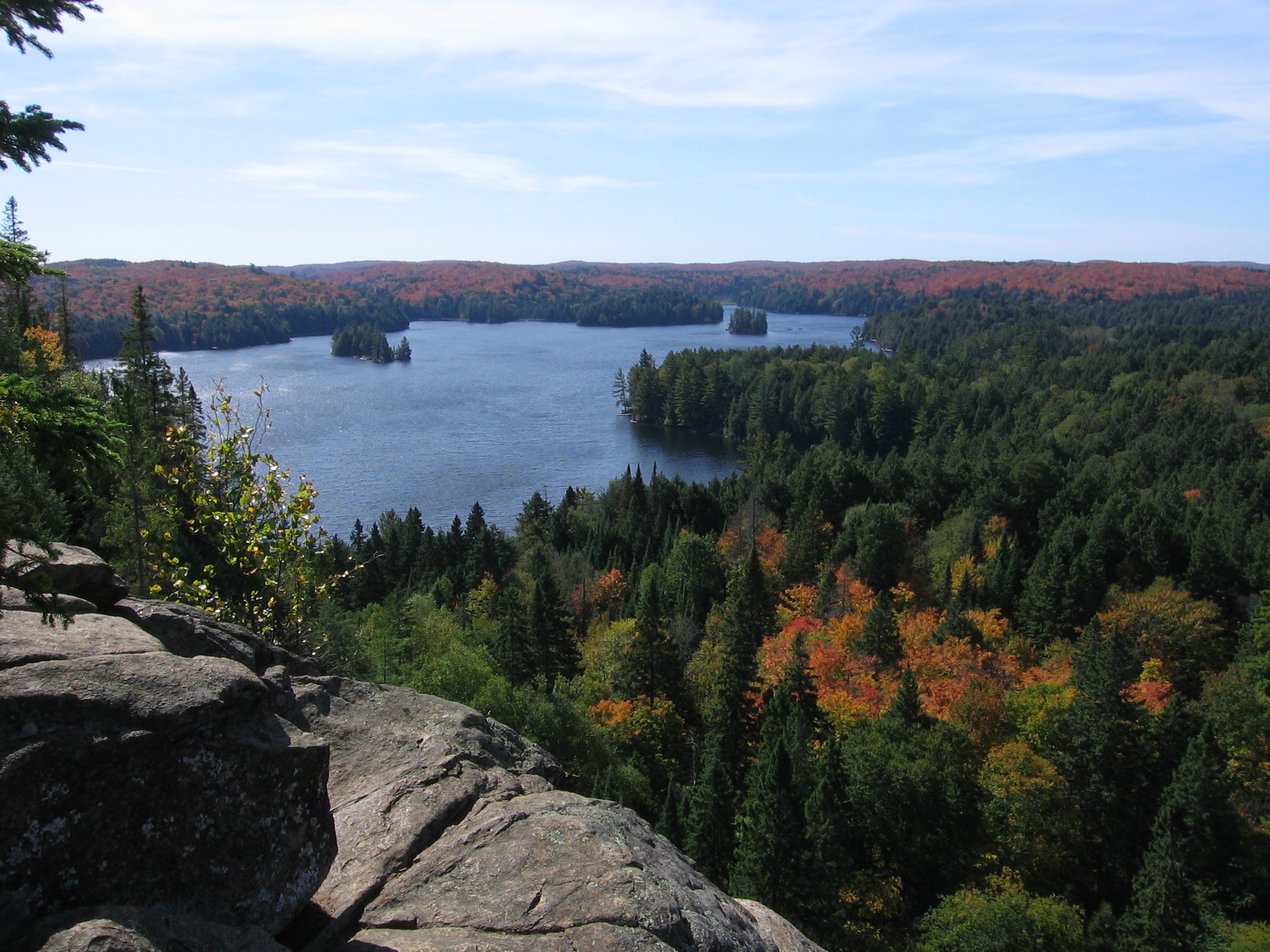
Ontario, CA
You might spot Canada Jay, American Beaver, and Black-Capped Chickadee.
View guide →

Vermont, US
You might spot Japanese Knotweed and Red-Bellied Woodpecker.
View guide →

Quebec, CA
You might spot Alder Buckthorn, Common Blue, and Eastern Gray Squirrel.
View guide →
Take the discovery with you
Snap it with Snappit to identify it, learn what makes it special, and add the discovery to your collection.








.jpg&width=800)



