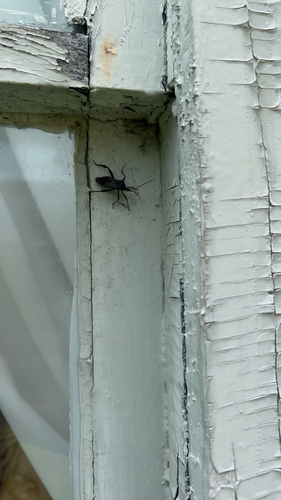
Eastern Newt

Step back in time within the Bristol Downtown Historic District, a charming and vibrant piece of Vermont history.
Step back in time within the Bristol Downtown Historic District, a charming and vibrant piece of Vermont history. This carefully preserved area showcases the late 19th-century commercial heart of Bristol, offering visitors a picturesque journey through a pivotal period of the town's development. As you stroll along Main Street, you'll discover a rich tapestry of architectural styles and a lively community spirit that makes this district truly special.
The district is primarily composed of brick commercial buildings from the late 19th and early 20th centuries, many of which are two or three stories high. Key architectural examples include the expansive Union Block, featuring seven distinct storefronts, and the historic 1924 Kilburn Mill, a testament to Bristol's industrial heritage in finished wood products. These structures, alongside other notable buildings, form a cohesive streetscape that tells the story of Bristol's evolution from an agricultural market town to a bustling industrial center.
A visit to the Bristol Downtown Historic District is more than just a sightseeing tour; it's an immersive experience in small-town New England charm. Beyond its architectural grandeur, the district is alive with local shops, cafes, and restaurants, providing a welcoming atmosphere for exploration and relaxation. It's a place where history buffs, architecture enthusiasts, and casual visitors alike can appreciate the beauty of preserved heritage and the enduring vitality of a close-knit Vermont community. Turn your visit into a safari! Use the Snappit app to scan and log wildlife sightings here.
The Bristol Downtown Historic District was officially listed on the National Register of Historic Places in 1983, recognizing its significance as the historic late 19th-century commercial core of Bristol, Vermont. The town of Bristol, initially chartered in 1762 as "Pocock" and renamed in 1789, began as a rural agricultural community. Its downtown area initially served as a market and provided services like sawmills and gristmills for surrounding farmers. A pivotal moment in the district's development was the establishment of a factory in 1862 for turned wood products, leading to Bristol's growth as a small industrial center. This industry flourished, with the factory eventually converting to coffin manufacturing and becoming a leading national supplier by the early 20th century, alongside other wood products. While these businesses declined after World War I, the legacy of this industrial period is visibly preserved in the district's architecture, particularly along Main Street, which was famously featured in the 1988 film "The Wizard of Loneliness."
Stroll along Main Street to admire the preserved late 19th and early 20th-century architecture.
* Explore local boutiques, art galleries, and shops offering Vermont-made products.
* Dine at one of the diverse restaurants or cafes.
* Visit the town green, a central gathering place, and check for local events or band concerts.
* Look for historical markers and plaques that provide insights into the town's past.
Spring/Summer: Ideal for walking, outdoor dining, and enjoying events on the town green like the Farmers' Market and summer band concerts.
Fall: Spectacular foliage provides a beautiful backdrop to the historic buildings.
Winter: A quieter time, but the snow can lend a charming, festive atmosphere. Shops and restaurants remain open.
Main Street and the sidewalks within the historic district are generally walkable. The town green is also noted as being ADA-compliant, featuring a natural playground.
The historic commercial buildings along Main Street, including the multi-storefront Union Block and the 1924 Kilburn Mill. Don't miss the town green, which often hosts community events.
Each card links to a full Explore page with photos, traits, and fun facts.




















































Start with the big picture, then zoom in to explore individual wildlife observations around this place.
Wear comfortable shoes
The best way to experience the district is by walking along Main Street and exploring its side streets.
Look up
Pay attention to the architectural details on the upper floors of the historic buildings; many feature intricate designs.
Support local businesses
The district thrives on its independent shops, galleries, and eateries.
Visit the town green
It's a central hub for relaxation and often hosts events.
Check for events
Before your visit, look up the local Bristol calendar for any festivals, markets, or concerts that might be happening.
Bring your camera
The historic streetscapes and surrounding Vermont scenery offer excellent photographic opportunities.
Jun 5, 2026
Photo attribution
no rights reserved
License: CC0 1.0 ↗
Image may be shown cropped inside the card frame.
Jun 17, 2026
Jun 15, 2026
Jun 15, 2026
Jun 15, 2026

Maryland, US
You might spot White-Tailed Deer and Eastern Gray Squirrel.
View guide →
.jpg)
District of Columbia, US
You might spot Eastern Gray Squirrel, Duck, and House Sparrow.
View guide →

Illinois, US
You might spot American Robin, Canada Goose, and House Sparrow.
View guide →

Virginia, US
You might spot Spotted Lanternfly and Northern Cardinal.
View guide →
Take the discovery with you
Identify the wildlife you spot, learn as you go, and keep a collection of the adventure.