





Canada mayflower
Maianthemum canadense
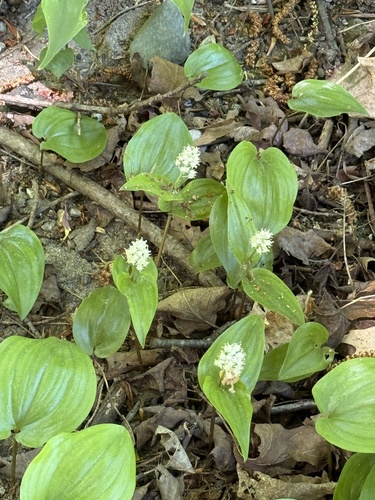
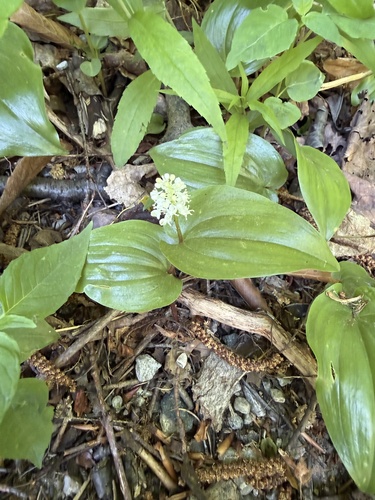
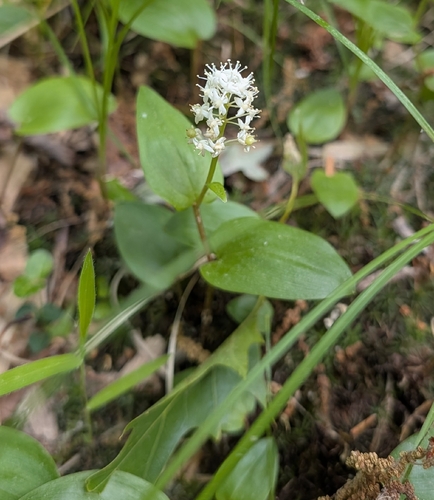
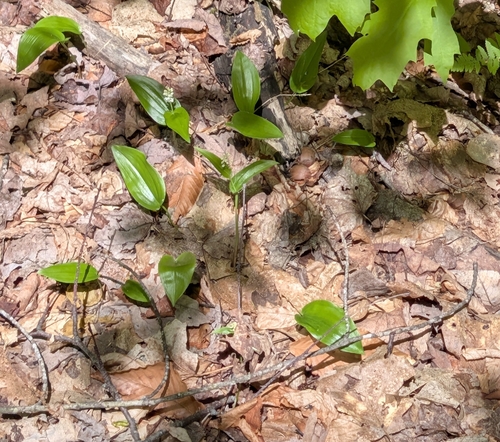
The Canada mayflower is a small, lovely plant that grows in shady forests. It has pretty white flowers that bloom in spring and bright green leaves that look like little fans.
Habitat: Forests
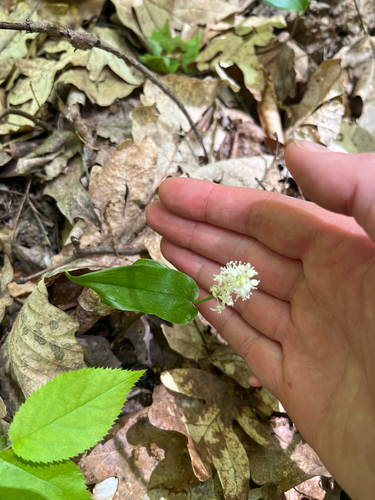
The Canada mayflower is a small plant, typically 10-25 cm tall, with 1-3 broad, glossy, heart-shaped leaves. It features a cluster of tiny, fragrant white starry flowers atop a slender stalk, later developing into shiny, ruby-red berries.
Category
PlantsRarity
Common
Danger
1/5 · Very low
Snaps
154
After blooming, its delicate white flowers transform into shiny, ruby-red berries!
Indigenous peoples traditionally used its leaves and roots for various remedies and purposes.
Its tiny white flowers give off a sweet scent, surprisingly similar to lilies!
This small forest plant is a distant relative of both asparagus and lily-of-the-valley!
Canada mayflower can spread using underground stems called rhizomes, allowing it to form colonies and pop up in many new spots.
Canada mayflower has a special ability to thrive in deep forest shade, growing well where other plants might struggle to find enough light.
Canada mayflower produces bright red berries that attract birds, helping it scatter its seeds far and wide to grow new plants.
Deciduous plants periodically shed all their leaves, typically during autumn or dry seasons.
Flowering plants are any plants that produce flowers as part of their reproductive cycle.
Shade tolerant plants are adapted to grow and thrive in areas with low light levels, requiring less direct sunlight.
Spring blooming plants produce their flowers during the spring season, often signifying the end of winter and the start of new growth.

Fall color refers to the seasonal change in foliage pigmentation, primarily in deciduous plants, displaying vibrant hues.

Describes plants that are particularly attractive and beneficial to a wide range of pollinating organisms.

Forest habitats are terrestrial environments dominated by dense tree cover, supporting a high diversity of plant and animal life.
No aliases listed yet.
Danger
1/5 · Very low
Do not eat any plants you find in the wild unless an adult says it's safe.
The easiest way to identify Canada mayflower is to use the Snappit nature identifier app.
10-25 cm
15-30 cm
0.3-0.5 cm
Late spring to early summer
No
Mild
Perennial
Zoom in to split clusters and explore where this object has been snapped.
Jun 4, 2026
Glen HavenPhoto attribution
(c) Brooke Smith, some rights reserved (CC BY)
License: CC BY 4.0 ↗
Image may be shown cropped inside the card frame.
Jun 4, 2026
Glen HavenPhoto attribution
(c) Brooke Smith, some rights reserved (CC BY)
License: CC BY 4.0 ↗
Image may be shown cropped inside the card frame.
Jun 2, 2026
Binghamton Zoo at Ross ParkPhoto attribution
(c) Christina S. Baer, some rights reserved (CC BY)
License: CC BY 4.0 ↗
Image may be shown cropped inside the card frame.
May 30, 2026
Quaker Farms Historic DistrictPhoto attribution
(c) Jessica Utrup, some rights reserved (CC BY)
License: CC BY 4.0 ↗
Image may be shown cropped inside the card frame.
May 27, 2026
Lyme Common Historic DistrictPhoto attribution
(c) Nick Kleinschmidt, some rights reserved (CC BY)
License: CC BY 4.0 ↗
Image may be shown cropped inside the card frame.

New Jersey, US
You might spot Garlic Mustard, Sensitive Fern, and Common Mugwort.
View guide →
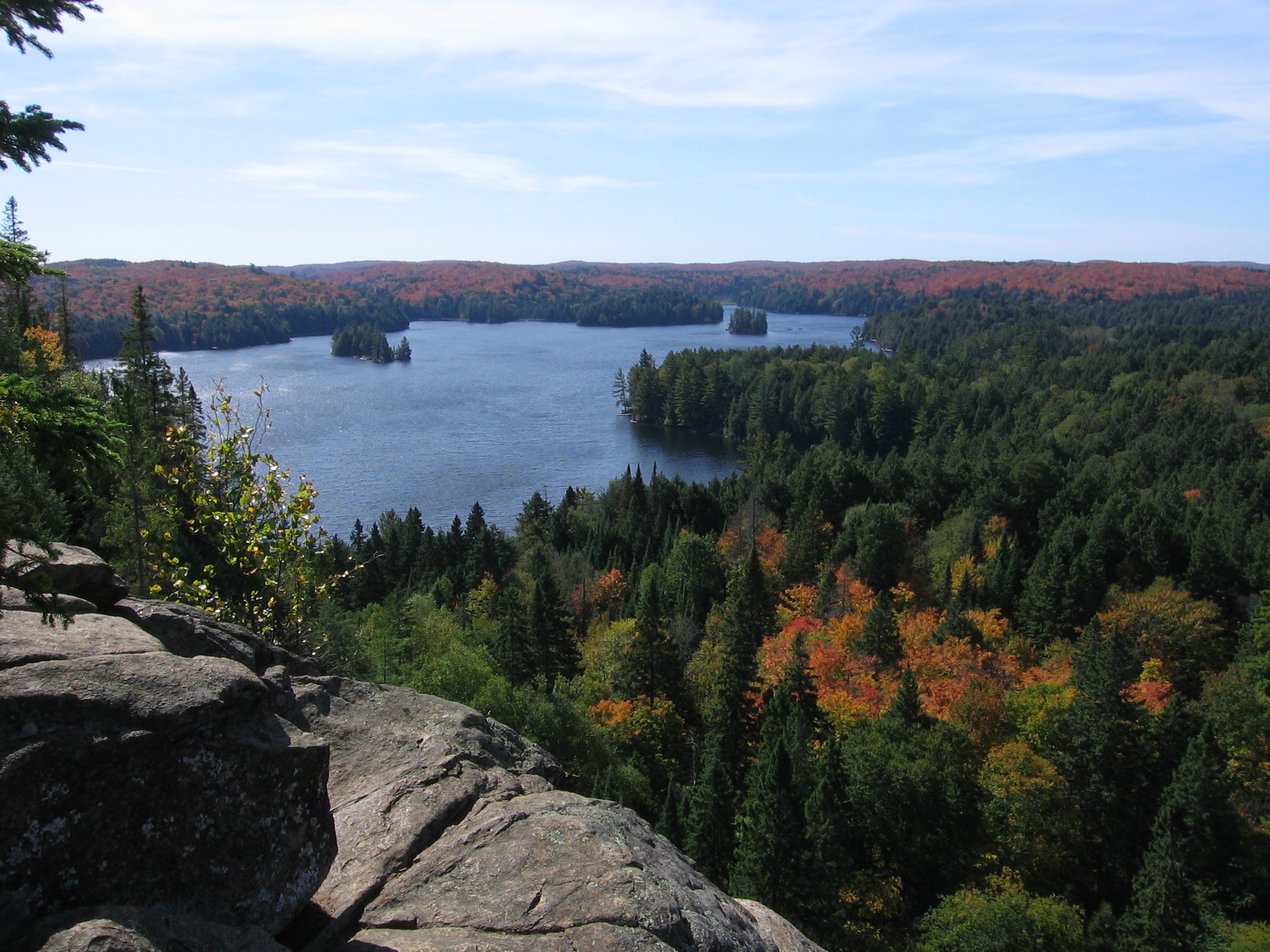
Ontario, CA
You might spot Canada Jay, American Beaver, and Black-Capped Chickadee.
View guide →

Massachusetts, US
You might spot Eastern Newt, Purple Pitcher Plant, and Hobblebush.
View guide →

Connecticut, US
You might spot Bold Jumping Spider and American Tuliptree.
View guide →
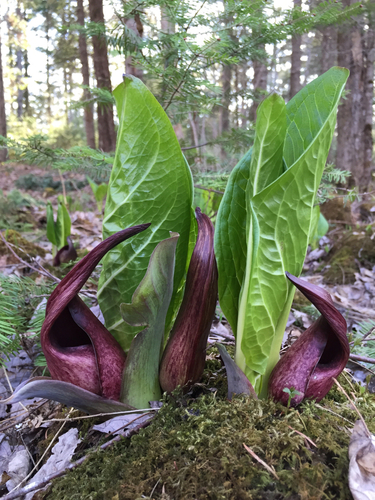
Connecticut, US
You might spot Eastern Skunk Cabbage and Eastern White Pine.
View guide →

Pennsylvania, US
You might spot Large Yellow Underwing and Eastern Black Carpenter Ant.
View guide →
Take the discovery with you
Snap it with Snappit to identify it, learn what makes it special, and add the discovery to your collection.







.jpg&width=800)



_001.jpg&width=800)



