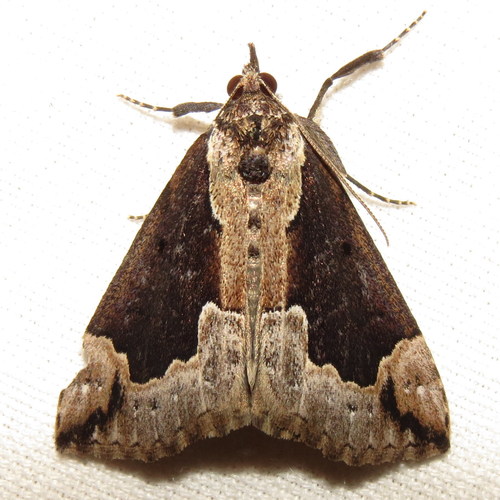
Io Moth

Rock House Reservation offers a captivating blend of natural beauty and deep historical roots.
Rock House Reservation offers a captivating blend of natural beauty and deep historical roots. This 196-acre preserve in West Brookfield, Massachusetts, showcases dramatic glacial formations and a rich tapestry of human history, from ancient Native American use to colonial farming and early 20th-century recreation. It's a place where massive boulders tell tales of the Ice Age and tranquil ponds reflect centuries of change.
The reservation's centerpiece is the impressive Rock House Shelter, a 20-to-30-foot-high cave-like rock enclosure that once provided winter shelter for Native Americans. Nearby, the strikingly precarious Balance Rock, a glacial erratic, defies gravity atop a large stone outcrop. Visitors can explore over three miles of trails winding through diverse landscapes, including lush hardwood forests, serene pine groves, and areas bursting with wildflowers. The man-made Carter Pond adds a peaceful focal point, attracting a variety of wildlife such as wild turkeys, painted turtles, and deer.
A visit to Rock House Reservation is an immersive journey through time and nature, offering opportunities for both quiet reflection and active exploration. Its unique geological features and historical significance make it a memorable destination for hikers, nature lovers, and anyone seeking a deeper connection to New England's natural and cultural heritage. The interplay of ancient geology, historical human activity, and thriving ecosystems ensures there's always something new to discover. Take the ultimate field guide with you: use the Snappit app to identify birds, plants, and animals on your trip.
The landscape of Rock House Reservation was sculpted by the Wisconsin Glacier over 10,000 years ago, leaving behind unique rock formations like the Rock House Shelter and Balance Rock. These formations were significant to Native Americans, who are believed to have used the Rock House Shelter as a winter camp or meeting place. In the mid-17th century, colonists cleared the forests for farming, and by 1866, the area around the Rock House was part of a large farm owned by William Adams. In the early 20th century, the Rock House gained popularity as a stop on the "Copper Line," an electric trolley that ran between West Brookfield and Ware, drawing visitors for picnics and exploration. Later, Arthur Carter, a descendant of the Adams family, created Carter Pond by damming a stream and built a cabin, which now serves as the Trailside Museum. The property was anonymously gifted to The Trustees of Reservations in 1993 in memory of William Adams, with additional land purchased in 2002, ensuring its preservation for public enjoyment. The nearby birthplace of suffragist and abolitionist Lucy Stone also adds to the area's rich historical context.
Hike the three miles of trails, including the easy 0.7-mile Inner Loop Trail around Carter Pond. Observe the unique glacial geology, look for wildlife like wild turkeys and painted turtles, and enjoy picnicking. Cross-country skiing, horseback riding, and mountain biking are permitted on the Fire Road. Some areas are also suitable for bouldering.
The parking lot is plowed in winter but may not be cleared immediately after heavy snowfalls. During hunting season (check local regulations), visitors exploring areas west of the Outer Loop should wear blaze orange clothing. Some sections of trails, particularly the Summit Loop, can be wet and muddy after rain. A portable toilet is available seasonally.
The reservation offers a mix of easy to moderate hiking trails, with some sections being strenuous. The Rock House Inner Loop Trail is noted as easy. There are no explicitly paved trails for full wheelchair accessibility mentioned.
The massive Rock House Shelter, the distinctive Balance Rock, the tranquil Carter Pond, and the small Trailside Museum which offers insights into the area's history and geology.
Each card links to a full Explore page with photos, traits, and fun facts.
Start with the big picture, then zoom in to explore individual wildlife observations around this place.
Wear appropriate footwear, as trails can be moderate to strenuous and may be wet or muddy in places.
Bring water and snacks, especially if planning to hike the longer trails.
If visiting during hunting season (typically fall), wear blaze orange, particularly when exploring areas west of the Outer Loop.
Bring a magnifying lens to examine the fascinating mosses, lichens, and glacial striations on the rock formations up close.
Visit the Trailside Museum near Carter Pond to learn more about the geology and history of the area.
Parking is free but can be limited, especially on busy days. In winter, the parking lot may not be plowed immediately after a storm.
Jun 15, 2026
Jun 14, 2026
Jun 14, 2026
Jun 14, 2026
Jun 14, 2026

Maryland, US
You might spot White-Tailed Deer and Eastern Gray Squirrel.
View guide →
.jpg)
District of Columbia, US
You might spot Eastern Gray Squirrel, Duck, and House Sparrow.
View guide →

Illinois, US
You might spot American Robin, Canada Goose, and House Sparrow.
View guide →

Virginia, US
You might spot Spotted Lanternfly and Northern Cardinal.
View guide →
Take the discovery with you
Identify the wildlife you spot, learn as you go, and keep a collection of the adventure.











.jpg&width=800)