





carnations
Dianthus
Carnations are beautiful flowers that come in many colors like pink, red, and white. They have a sweet smell and are often used in bouquets to celebrate special occasions.
Habitat: Gardens
The carnations has ruffled, often fringed petals in a spectrum of vibrant colors like red, pink, white, yellow, and purple. Their distinctive layered appearance and spicy scent make them stand out visually from other garden flowers.
Category
PlantsRarity
Common
Danger
1/5 · Very low
Snaps
Be the first to snap!
Carnation petals can actually be eaten and used to decorate desserts.
Some carnations can change color by absorbing dyed water through their stems.
The name "Dianthus" means "flower of the gods" in ancient Greek!
They were used in ancient Roman garlands and ceremonial crowns.
Carnations can produce a spicy-sweet scent that helps attract various insect pollinators for reproduction.
Carnations have long-lasting cut flowers, allowing them to remain vibrant in vases for extended periods.
Carnations can thrive in diverse soil conditions, helping them grow in many different garden environments.
Apis mellifera
Collects nectar and pollen
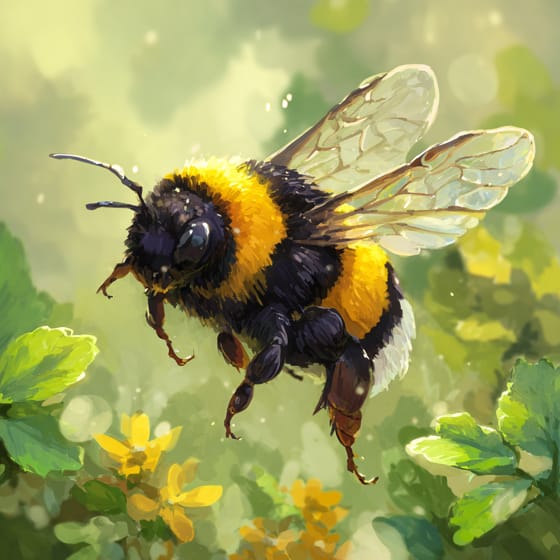
Bombus terrestris
Visits flowers for nectar
Arion rufus
Feeds on leaves and flowers
Flowering plants are any plants that produce flowers as part of their reproductive cycle.
Ornamental plants are cultivated primarily for their aesthetic appeal, enhancing landscapes and gardens with their attractive foliage, flowers, or form.
Spring blooming plants produce their flowers during the spring season, often signifying the end of winter and the start of new growth.
Everblooming plants produce flowers continuously or in repeated flushes over a long period.

Fragrant flowers emit a pleasant aroma, often to attract pollinators or for defense.

Colorful describes organisms or objects displaying a wide range of bright and distinct colors.

Describes plants that are particularly attractive and beneficial to a wide range of pollinating organisms.

Domesticated refers to species that have been selectively bred and tamed by humans for specific purposes.

This habitat trait indicates species that can coexist with humans in urban and suburban environments, utilizing man-made structures and green spaces.
Danger
1/5 · Very low
Always ask an adult before picking flowers, and remember to be gentle with plants.
The easiest way to identify carnations is to use the Snappit nature identifier app.
30-90 cm
20-45 cm
3-8 cm
Spring_to_fall
Yes
Mild
Perennial
Zoom in to split clusters and explore where this object has been snapped.
Recent snaps will appear here as new observations are added.
Take the discovery with you
Snap it with Snappit to identify it, learn what makes it special, and add the discovery to your collection.








.jpg&width=800)


_001.jpg&width=800)




