




American Alligator

The Edenton National Fish Hatchery is a captivating blend of conservation and natural beauty.
The Edenton National Fish Hatchery is a captivating blend of conservation and natural beauty.
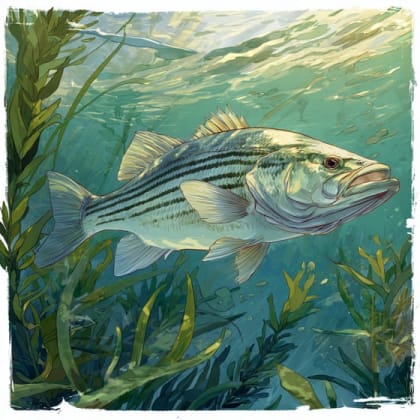
Nestled on 70 acres in historic Edenton, North Carolina, the Edenton National Fish Hatchery serves as a vital hub for aquatic conservation and a fascinating destination for visitors. As the largest producer of striped bass in the entire National Fish Hatchery System, it plays a critical role in restoring fish populations across numerous river systems. Beyond its significant scientific contributions, the hatchery offers a warm, engaging experience with a public aquarium, extensive production ponds, and serene natural trails.
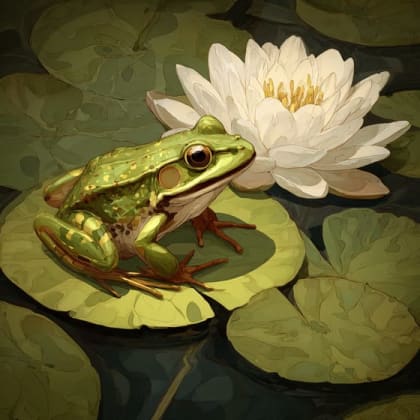
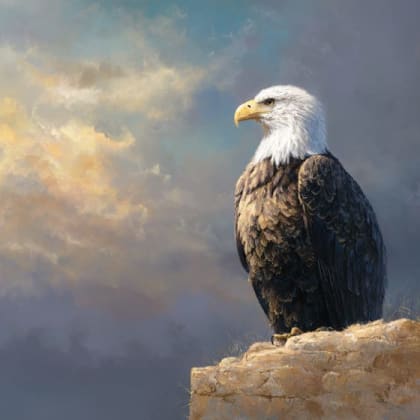
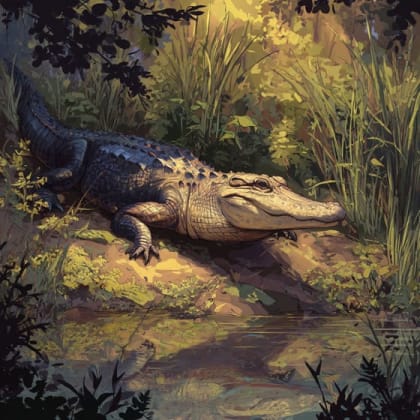
A highlight for many is the public aquarium, where you can marvel at various local fish species and observe the two resident American alligators. Throughout the 36 striped bass production ponds, visitors can witness the lifecycle of these important fish, from eggs and larvae in spring to juveniles later in the year. The hatchery also participates in crucial restoration efforts for threatened and endangered species, showcasing lake sturgeon, Cape Fear shiners, white shiners, and gopher frogs, often viewable in their holding houses or specialized tanks. A 200-foot wheelchair-accessible boardwalk extends through a natural wetland to Pembroke Creek, providing excellent opportunities for birdwatching, where you might spot waterfowl, shorebirds, osprey, and even bald eagles.
Visiting the Edenton National Fish Hatchery offers a unique, free educational experience for all ages. It provides a compelling look into the world of fish aquaculture and conservation, making it a memorable stop for anyone interested in wildlife, environmental stewardship, or simply enjoying the outdoors. The combination of interactive exhibits, diverse aquatic life, and picturesque trails ensures a rewarding and insightful journey into North Carolina's aquatic ecosystems. Planning to visit? Download the Snappit app to identify the wildlife you spot in real-time.
The Edenton National Fish Hatchery boasts a rich history dating back to its establishment in 1898. Its initial mission was to bolster American shad populations, which had been depleted by overfishing in the 1800s. By 1906, the hatchery expanded its efforts to include striped bass, a species it would become renowned for. However, due to issues with its original physical plant and limited space for expansion, the hatchery closed in 1954. A new chapter began in 1960 when the hatchery reopened at its current 70-acre site, featuring 36 modern concrete ponds. This relocation allowed for significant expansion, cementing its role as the largest producer of striped bass in the National Fish Hatchery System. In the 21st century, the hatchery broadened its scope to include critical restoration programs for threatened and endangered species, such as lake sturgeon, Cape Fear shiners, white shiners, and gopher frogs, demonstrating its ongoing commitment to aquatic biodiversity.
Take a self-guided tour of the facilities, observe the diverse aquatic life in the aquarium, hike around the ponds, and enjoy birdwatching from the boardwalk.
Spring (Mid-April to Mid-May): Best time to observe striped bass eggs and larval fish.
Summer (June onwards): See juvenile striped bass and possibly thousands of lake sturgeon in holding houses.
Fall (October-November): Ponds may be cleared of fish around this time, but November is another opportunity to see juvenile striped bass.
Winter: Generally closed on weekends and holidays, with fewer fish on station.
The facility includes a paved area from the parking lot to the hatchery gates, and a 200-foot wheelchair-accessible boardwalk to Pembroke Creek. Visitors requiring assistance can contact the hatchery.
Features various local fish species and two resident American alligators.
Observe the aquaculture process across 36 ponds.
Seasonal opportunities to see and potentially interact with fish like lake sturgeon and Johnny darters.
A 200-foot wheelchair-accessible boardwalk offering wetland views and birdwatching.
Each card links to a full Explore page with photos, traits, and fun facts.
Start with the big picture, then zoom in to explore individual wildlife observations around this place.
Plan for seasonal observations
If you're keen to see striped bass eggs and larvae, visit between mid-April and mid-May. For large groups of lake sturgeon in the holding houses, summer is the best time.
Bring binoculars
The hatchery is part of both the Charles Kuralt Nature Trail and the North Carolina Birding Trail, offering fantastic opportunities to spot various bird species.
Wear comfortable shoes
Explore the 70-acre facility, including the production ponds and the nature trail leading to the Pembroke Creek boardwalk.
Consider a group visit
While self-guided tours are available, larger groups can arrange guided tours seasonally by contacting the hatchery in advance.
Visit the holding house
This area often provides an interactive experience, sometimes allowing visitors, especially children, to hold fish like lake sturgeon.
Combine with local attractions
The hatchery's location in historic Edenton makes it easy to pair your visit with exploring the town's charming downtown, historic sites, and the Roanoke River Lighthouse.
Jul 15, 2025
Oct 14, 2024
Oct 14, 2024
Oct 14, 2024

Ohio, US
You might spot Sand Tiger Shark, Nurse Shark, and Cow.
View guide →

California, US
You might spot Orca, Bottlenose Dolphin, and Beluga Whale.
View guide →

Illinois, US
You might spot Beluga Whale, Pacific White-Sided Dolphin, and Sea Otter.
View guide →

Texas, US
You might spot Brown-Throated Three-Toed Sloth, Ant, and Penguin.
View guide →
Take the discovery with you
Identify the wildlife you spot, learn as you go, and keep a collection of the adventure.