





Carolina rose
Rosa carolina
The Carolina rose is a beautiful flower that blooms in pink and white colors. It grows in gardens and wild areas, attracting butterflies and bees with its sweet scent.
Habitat: Grasslands
The Carolina rose has delicate, fragrant pink petals with bright yellow centers, typically appearing singly or in small clusters. Its slender stems are armed with sharp, needle-like prickles, distinguishing it from many cultivated roses.
Category
PlantsRarity
Common
Danger
1/5 · Very low
Snaps
3
Even after frost, its red rose hips add bright color to winter.
Its vitamin-rich rose hips are a super snack for animals!
This tough rose is a distant wild relative of many garden beauties!
Tiny galls, often called 'rose apples,' can grow on its stems!
Carolina rose has sharp prickles that help it defend its tender stems and leaves from hungry animals.
Carolina rose grows bright red hips packed with vitamins that attract birds and animals to spread its seeds.
Carolina rose can grow deep roots that help it find water and survive in dry or disturbed soil conditions.
Apis mellifera
collects nectar and pollen
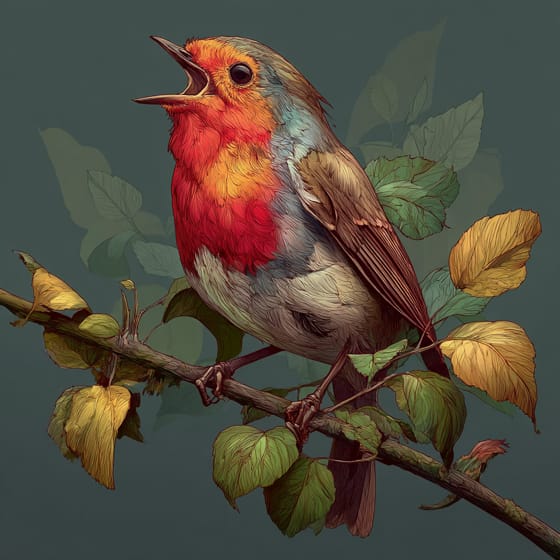
Turdus migratorius
eats nutritious rose hips in winter
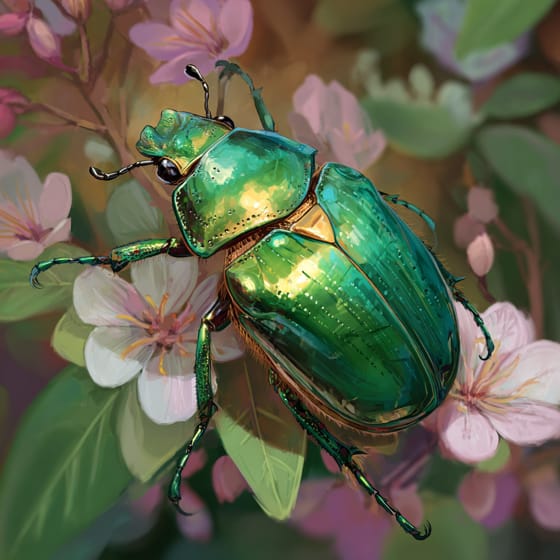
Popillia japonica
browses on its leaves and flowers
Deciduous plants periodically shed all their leaves, typically during autumn or dry seasons.
Flowering plants are any plants that produce flowers as part of their reproductive cycle.
A shrub is a woody plant smaller than a tree, typically with multiple stems branching from or near the ground.
Summer blooming plants produce their flowers during the summer season, often providing vibrant color when many other plants have finished.

Fragrant flowers emit a pleasant aroma, often to attract pollinators or for defense.

Grassland habitats are terrestrial biomes dominated by grasses and herbaceous plants, supporting a variety of grazing animals.

Describes plants that are particularly attractive and beneficial to a wide range of pollinating organisms.
No aliases listed yet.
Danger
1/5 · Very low
Be careful not to touch the thorns on the stems!
The easiest way to identify Carolina rose is to use the Snappit nature identifier app.
60-200 cm
60-150 cm
3-7 cm
Late spring to early summer
Yes
None
Perennial
Zoom in to split clusters and explore where this object has been snapped.

New York, US
You might spot Bald Eagle, Common Eastern Bumble Bee, and Tree-Of-Heaven.
View guide →

Illinois, US
You might spot Butterfly Milkweed and Prairie Blazing Star.
View guide →

Illinois, US
You might spot Silver-Spotted Skipper, Eastern Fox Squirrel, and Monarch.
View guide →

Pennsylvania, US
You might spot Carolina Horsenettle, Common Soapwort, and Goldenrods.
View guide →
Take the discovery with you
Snap it with Snappit to identify it, learn what makes it special, and add the discovery to your collection.







.jpg&width=800)


_001.jpg&width=800)




