




Carolina Sea Lavender
Limonium carolinianum
Carolina Sea Lavender is a pretty flower that grows in coastal areas. It has lovely purple blooms that look like tiny clouds, and it loves to soak up the sun by the sea!
Habitat: Coastal areas
The Carolina Sea Lavender has many stiff, branching stems covered in tiny, papery lavender to purple flowers that cluster in airy sprays. Its leaves are thick, leathery, and spoon-shaped, forming a basal rosette at the plant's base. It stands out with its cloud-like purple blooms.
Category
PlantsRarity
Common
Danger
1/5 · Very low
Snaps
2
Historically, sea lavender was used to create vibrant natural dyes for fabrics and crafts.
Its scientific name, Limonium, comes from a Greek word meaning "meadow", describing its open habitat!
Its tiny seeds can float on water, letting ocean tides carry them to new coasts!
What seem like petals are actually papery outer cups for its tiny true flowers!
Carolina Sea Lavender can tolerate salty soil and sea spray, helping it thrive where most plants cannot.
It has papery flowers that retain their color even after drying, helping them stay attractive to pollinators longer.
This plant grows deep roots, helping to stabilize sandy coastal soils and resist erosion from waves.
Apis mellifera
Gathers nectar and pollen from its small flowers.
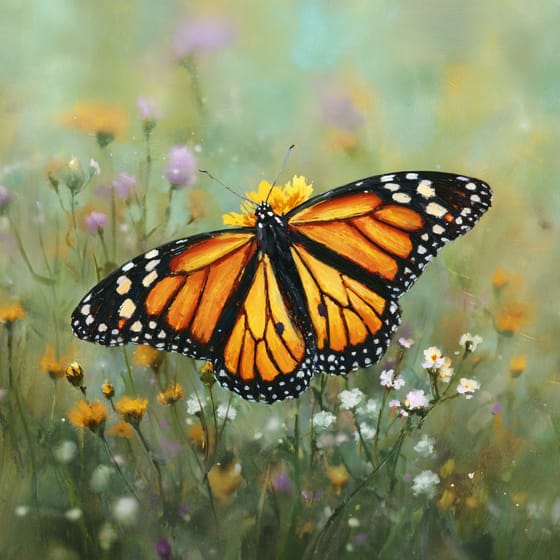
Danaus plexippus
Visits flowers to drink nectar in coastal areas.
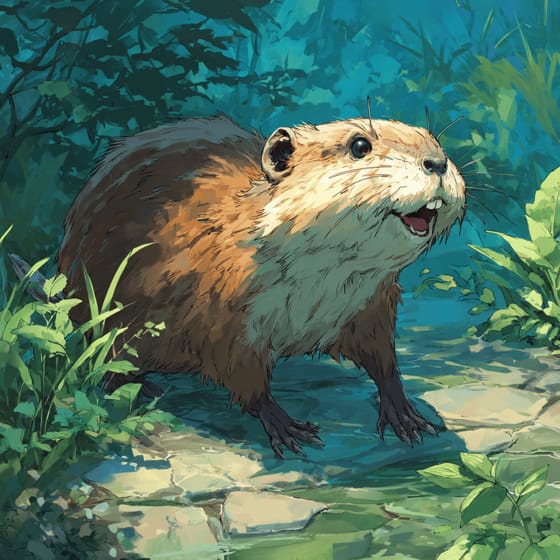
Ondatra zibethicus
Eats roots and stems of various marsh plants.
Flowering plants are any plants that produce flowers as part of their reproductive cycle.
Cluster flowers are inflorescences where individual flowers are arranged closely together on a common stem.
Summer blooming plants produce their flowers during the summer season, often providing vibrant color when many other plants have finished.
Salt tolerant plants can withstand and grow in conditions with elevated salinity levels in the soil or water.

Colorful describes organisms or objects displaying a wide range of bright and distinct colors.

Describes plants that are particularly attractive and beneficial to a wide range of pollinating organisms.

Coastal habitats are dynamic environments located along the interface between land and sea, influenced by tides, waves, and saltwater.

Describes organisms that transfer pollen, enabling the fertilization and reproduction of plants.
No aliases listed yet.
Danger
1/5 · Very low
Always look but don't pick flowers unless you have permission!
The easiest way to identify Carolina Sea Lavender is to use the Snappit nature identifier app.
30-90 cm
30-60 cm
0.3-0.8 cm
Summer
Yes
None
Perennial
Zoom in to split clusters and explore where this object has been snapped.

Georgia, US
You might spot American Alligator, Laughing Gull, and Cannonball Jelly.
View guide →

Massachusetts, US
You might spot Common Eastern Bumble Bee, Huron Skipper, and Song Sparrow.
View guide →
_end_July_2012.jpg)
Massachusetts, US
You might spot Great Egret, Eastern Redcedar, and Osprey.
View guide →
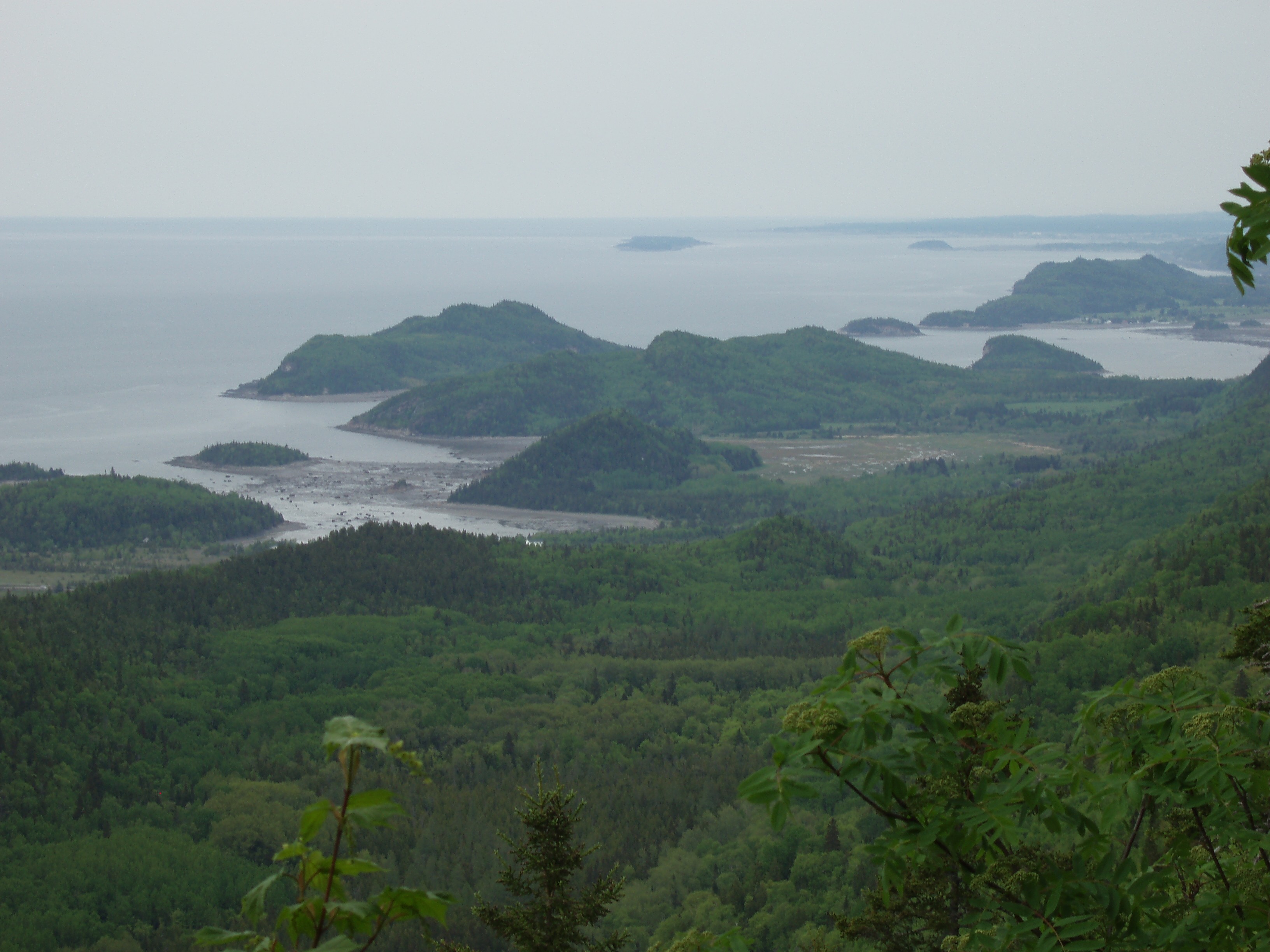
Québec, CA
You might spot White-Tailed Deer, Harbor Seal, and Common Eider.
View guide →
Take the discovery with you
Snap it with Snappit to identify it, learn what makes it special, and add the discovery to your collection.







.jpg&width=800)



_001.jpg&width=800)




