





carrots
Daucus
Carrots are crunchy vegetables that grow underground. They come in different colors, like orange, purple, and yellow, and are super tasty in salads or as snacks!
Habitat: Gardens
The carrot plant has delicate, feathery green leaves that grow from a small crown. Its most distinctive feature is the long, tapering taproot, which is typically bright orange, though varieties can also be purple, red, or white. Small white flowers form flat, umbrella-like clusters when the plant bolts.
Category
PlantsRarity
Common
Danger
1/5 · Very low
Snaps
Be the first to snap!
Carrots are packed with beta-carotene, which your body turns into Vitamin A!
Carrots were first grown over 5,000 years ago in Afghanistan!
The familiar orange carrot was actually developed in the Netherlands.
Wild carrots often have white or pale yellow roots and taste quite bitter!
Carrots can store vast amounts of sugars and water in their thick taproot that helps them survive and grow.
Carrots have finely divided, feathery leaves that help them maximize the capture of sunlight for energy.
The carrot is a biennial, meaning it saves energy in its first year to produce many seeds in its second year.
Apis mellifera
Visits flowers for nectar.
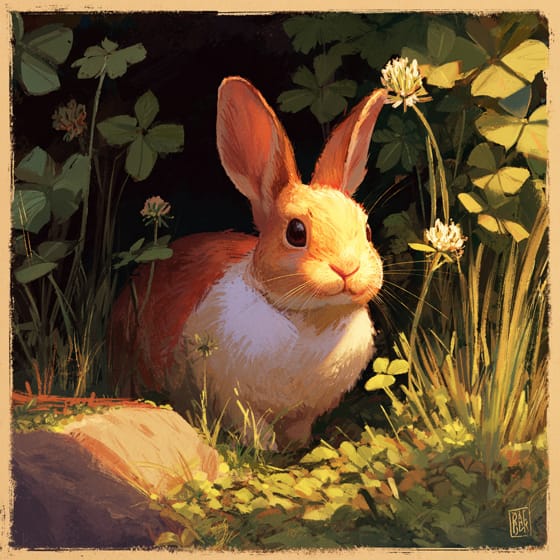
Oryctolagus cuniculus
Munching on roots and greens.
Papilio polyxenes
Larvae feed on leaves.
Biennial plants complete their life cycle over two growing seasons, typically forming foliage in the first year and flowering/seeding in the second.
This human use trait describes species cultivated or domesticated by humans for agricultural purposes, including crops and livestock.
Colorful describes organisms or objects displaying a wide range of bright and distinct colors.
Edible plants are those parts of a plant that are considered safe for human consumption.

Rapid growing plants exhibit accelerated growth rates, quickly increasing in size and biomass within a short period.

This habitat trait indicates species that can coexist with humans in urban and suburban environments, utilizing man-made structures and green spaces.
Danger
1/5 · Very low
Always wash carrots before eating them to keep them clean and safe.
The easiest way to identify carrots is to use the Snappit nature identifier app.
30-100 cm
15-30 cm
0.1-0.3 cm
Summer
Yes
None
Biennial
Zoom in to split clusters and explore where this object has been snapped.
Recent snaps will appear here as new observations are added.
Take the discovery with you
Snap it with Snappit to identify it, learn what makes it special, and add the discovery to your collection.









.jpg&width=800)



_001.jpg&width=800)



