





Caucasian Squirrel
Sciurus anomalus
Caucasian squirrels are small, fluffy creatures with bushy tails. They love to climb trees and gather nuts to eat. You can often see them playing in parks and forests!
Habitat: Forests
The Caucasian Squirrel has a sleek body with fur that is typically grayish-brown on its back, often tinged with reddish hues. Its belly ranges from pale yellowish-white to a richer reddish-orange, contrasting with its back. A large, bushy tail, often matching its back color, helps distinguish it visually from other squirrels.
Category
MammalsRarity
Common
Danger
1/5 · Very low
Snaps
Be the first to snap!
A group of squirrels is sometimes called a 'scurry' – how fun is that?
Their front teeth never stop growing, so they chew constantly to keep them sharp!
These squirrels can rotate their ankles almost 180 degrees to climb down trees headfirst!
They build cozy nests, called 'dreys,' high in trees using leaves and twigs.
Caucasian Squirrel can quickly scale trees and navigate branches with ease because of its strong claws and powerful hind legs.
Caucasian Squirrel has an excellent memory that helps them find buried nuts and seeds stored for leaner times.
Caucasian Squirrel uses its long, bushy tail as a counterweight that helps them maintain balance while leaping between tree limbs.
A hungry omnivore, this squirrel enjoys a mix of nuts, fruits, and sometimes even insects!
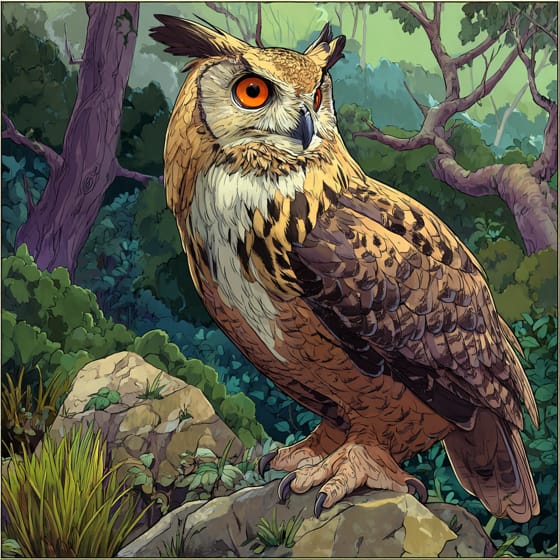
Bubo bubo
Hunted by this large nocturnal predator.
Martes martes
A swift arboreal hunter that preys on squirrels.
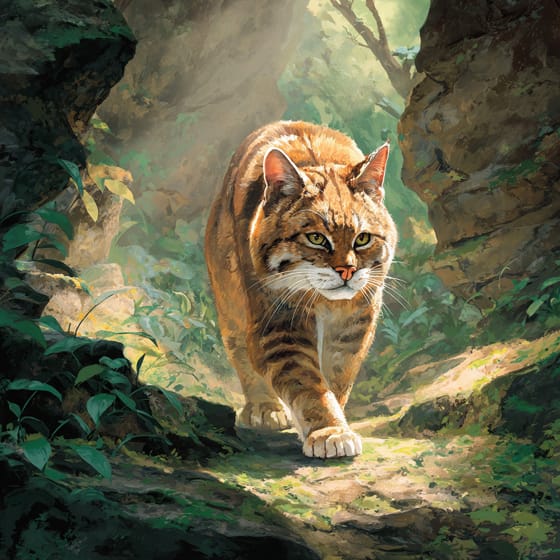
Felis silvestris
Occasional prey for this stealthy feline.

Corylus avellana
Relies on its nuts for a major food source.
Quercus robur
Uses acorns as a vital food supply.
Furry describes animals possessing a dense covering of soft hair or fur.
Social animals live in organized groups, cooperating for survival benefits such as foraging, defense, and raising offspring.
Arboreal animals live primarily in trees, utilizing them for shelter, food, and protection from predators.
This trait characterizes organisms whose diet consists entirely or primarily of plant material.

Forest habitats are terrestrial environments dominated by dense tree cover, supporting a high diversity of plant and animal life.

Diurnal animals are primarily active during daylight hours, typically resting or sleeping at night.

This trait identifies organisms that exhibit exceptional swiftness in movement for hunting, escape, or travel.
No aliases listed yet.
Danger
1/5 · Very low
It's best to watch squirrels from a distance and not try to touch or feed them.
The easiest way to identify Caucasian Squirrel is to use the Snappit nature identifier app.
20-25 cm
0.22-0.4 kg
6-10 years
24 km/h
A hungry omnivore, this squirrel enjoys a mix of nuts, fruits, and sometimes even insects!
Forests
Foraging
Zoom in to split clusters and explore where this object has been snapped.
Recent snaps will appear here as new observations are added.
Take the discovery with you
Snap it with Snappit to identify it, learn what makes it special, and add the discovery to your collection.




.jpg&width=800)

.JPG&width=800)


.jpg&width=800)
