





Ceanothus Silk Moth
Hyalophora euryalus
The Ceanothus Silk Moth is a big, fluffy moth with beautiful blue and yellow colors. They are often found resting on trees and are known for their soft, silky wings.
Habitat: Forests
The Ceanothus Silk Moth has large, reddish-brown wings adorned with wavy white, pink, or purple bands and prominent crescent-shaped eye-spots on each wing. Its furry body adds to its robust appearance, making it distinct among North American moths.
Category
InsectsRarity
Common
Danger
1/5 · Very low
Snaps
2
Adult Ceanothus Silk Moths do not have mouths and cannot eat! They survive on stored energy.
Caterpillars eat so much, they shed their skin five times before becoming a pupa!
Its enormous wings are covered in tiny, colorful scales, creating beautiful patterns.
Males have huge, feathery antennae that can smell a female moth from miles away.
Ceanothus Silk Moth has large eye-spots on its hindwings that can startle predators, helping them escape danger.
Female moths release a special scent (pheromone) that helps male moths find them from miles away for mating.
As caterpillars, they spin strong, silken cocoons around themselves to safely transform into adult moths.
Young caterpillars are bright green, helping them blend perfectly with the leaves they munch on, hiding from predators.
Adults don't eat at all, living off stored energy, while caterpillars are hungry leaf-munchers!
Age differences: Adults do not feed; caterpillars are herbivores that consume host plant leaves.
Ceanothus integerrimus
Caterpillars feed on its leaves

Prunus virginiana
Caterpillars consume its foliage
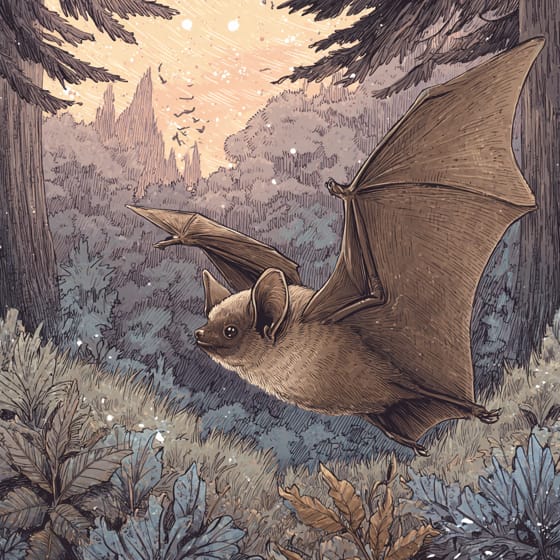
Myotis lucifugus
Adult moths are preyed upon
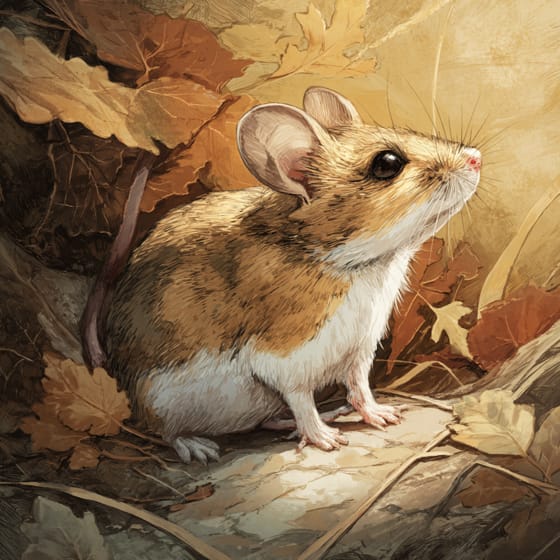
Peromyscus maniculatus
Larvae and pupae can be eaten
Furry describes animals possessing a dense covering of soft hair or fur.
Colorful describes organisms or objects displaying a wide range of bright and distinct colors.
This trait characterizes organisms whose diet consists entirely or primarily of plant material.
Forest habitats are terrestrial environments dominated by dense tree cover, supporting a high diversity of plant and animal life.

Giant describes organisms or objects of significantly larger size than average for their species or type.

Nocturnal animals are primarily active during the nighttime hours, typically resting or sleeping during the day.

Describes organisms that transfer pollen, enabling the fertilization and reproduction of plants.
No aliases listed yet.
Danger
1/5 · Very low
Moths are generally safe to observe, but don’t touch them as they can be delicate.
The easiest way to identify Ceanothus Silk Moth is to use the Snappit nature identifier app.
80-130 mm
25-35 mm
7-14 days
20 km/h
Adults don't eat at all, living off stored energy, while caterpillars are hungry leaf-munchers!
Forests
Foraging
Zoom in to split clusters and explore where this object has been snapped.

California, US
You might spot Redwood, Pacific Trillium, and Evergreen Huckleberry.
View guide →

Washington, US
You might spot Eastern Gray Squirrel, Yellow-Bellied Marmot, and Duck.
View guide →
Take the discovery with you
Snap it with Snappit to identify it, learn what makes it special, and add the discovery to your collection.







.jpg&width=800)


