





chokecherry
Prunus virginiana
Chokecherries are small, dark red or black berries that grow on bushes. They are often found in woods and along roadsides, and they can be used to make yummy jams and jellies!
Habitat: Forests
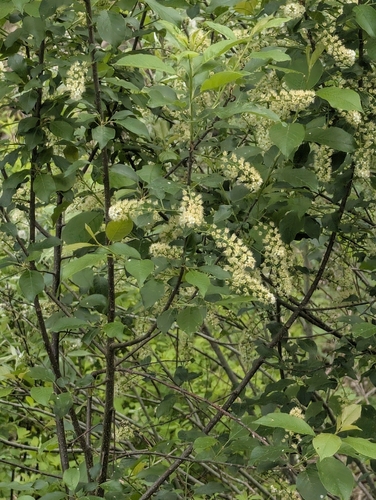
The chokecherry is a large shrub or small tree with rough, dark bark and oval leaves that turn yellow or red in fall. It produces long, drooping clusters of tiny white flowers in spring, followed by hanging bunches of small, dark red to black berries.
Category
PlantsRarity
Common
Danger
2/5 · Low
Snaps
26
Its seeds contain a hidden chemical defense, making them unsafe to eat!
Native Americans traditionally dried chokecherry fruit into cakes for winter food!
The fruit is so tart it can make your mouth pucker, giving it its name!
You might spot tiny glands on the leaves where they meet the stem!
Chokecherry has toxic compounds in its leaves and seeds that help it defend against hungry plant-eaters.
Chokecherry can quickly grow in disturbed areas, helping it establish new habitats after fires or clearings.
Chokecherry has juicy, tart fruits that attract birds and mammals, helping it spread its seeds far and wide.
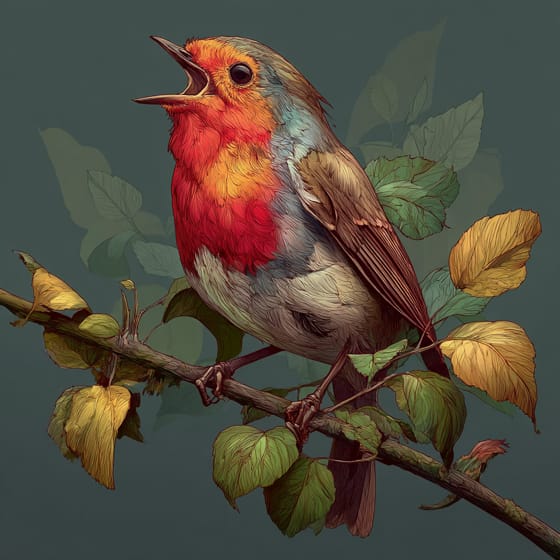
Turdus migratorius
eats its ripe fruits, aiding in seed dispersal.
Ursus americanus
enjoys the abundant, tart chokecherries in late summer.

Odocoileus virginianus
browses on young leaves and twigs, despite mild toxicity.
Apis mellifera
visits its fragrant spring flowers for nectar and pollen.
Deciduous plants periodically shed all their leaves, typically during autumn or dry seasons.
Flowering plants are any plants that produce flowers as part of their reproductive cycle.
A shrub is a woody plant smaller than a tree, typically with multiple stems branching from or near the ground.
Spring blooming plants produce their flowers during the spring season, often signifying the end of winter and the start of new growth.

Fragrant flowers emit a pleasant aroma, often to attract pollinators or for defense.

Fruit-bearing plants produce fruits, which are the mature ovaries of flowering plants containing seeds.

Edible plants are those parts of a plant that are considered safe for human consumption.

Describes plants that are particularly attractive and beneficial to a wide range of pollinating organisms.

Forest habitats are terrestrial environments dominated by dense tree cover, supporting a high diversity of plant and animal life.
Danger
2/5 · Low
Chokecherries can be sour and should be eaten in small amounts. Always ask an adult before trying new berries!
The easiest way to identify chokecherry is to use the Snappit nature identifier app.
100-600 cm
100-400 cm
0.5-1 cm
Spring
Yes
Moderate
Perennial
Zoom in to split clusters and explore where this object has been snapped.
May 27, 2026
Lyme Common Historic DistrictPhoto attribution
(c) Nick Kleinschmidt, some rights reserved (CC BY)
License: CC BY 4.0 ↗
Image may be shown cropped inside the card frame.

Michigan, US
You might spot Yellow Lady's Slipper and Ring-Billed Gull.
View guide →

Alaska, US
You might spot Sandhill Crane, Fireweed, and Prickly Wild Rose.
View guide →

Wyoming, US
You might spot Elk, American White Pelican, and Arrowleaf Balsamroot.
View guide →

Wisconsin, US
You might spot Common Eastern Bumble Bee, Red-Belted Bumble Bee, and Duck.
View guide →

Wyoming, US
You might spot Moose, Uinta Ground Squirrel, and American Bison.
View guide →

Wyoming, US
You might spot Elk, Killdeer, and Black-Billed Magpie.
View guide →
Take the discovery with you
Snap it with Snappit to identify it, learn what makes it special, and add the discovery to your collection.






.jpg&width=800)


_001.jpg&width=800)



