





Celery Leaftier Moth
Udea rubigalis
The Celery Leaftier Moth is a small, colorful moth that loves to hide in gardens. Its caterpillars munch on celery and other plants, making them special little helpers in nature!
Habitat: Gardens
The Celery Leaftier Moth has distinct orange-brown forewings mottled with darker brown spots and wavy lines, giving it a patchwork appearance. Its hindwings are paler gray-brown and less marked. At rest, it holds its wings in a triangular shape, differing from many other moths that spread their wings flat.
Category
InsectsRarity
Common
Danger
1/5 · Very low
Snaps
3
Adult moths can sip sweet nectar from many different kinds of flowers!
Its caterpillars are called "leaftiers" because they literally tie leaves together!
Some people call them "greenhouse leaftiers" because they love warm places.
These tiny moths are found all over the world, even thriving in greenhouses!
Celery Leaftier Moth caterpillars can roll up plant leaves, creating a safe, hidden shelter and food source.
Celery Leaftier Moths can release invisible scent signals (pheromones) to find mates in the dark.
Celery Leaftier Moths have special eyes that help them navigate and find food during twilight and nighttime.
Larvae munch on plant leaves, while adult moths sip sweet nectar from flowers.
Age differences: Larvae chew on plant leaves, while adults have a special proboscis to sip flower nectar.
%2C_Elswick%2C_Northumberland_4.jpg&width=800)
Apium graveolens
Larvae feed on the leaves.
Daucus carota
Adult moths sip nectar from flowers.
Trichogramma pretiosum
Wasps lay eggs inside moth eggs.
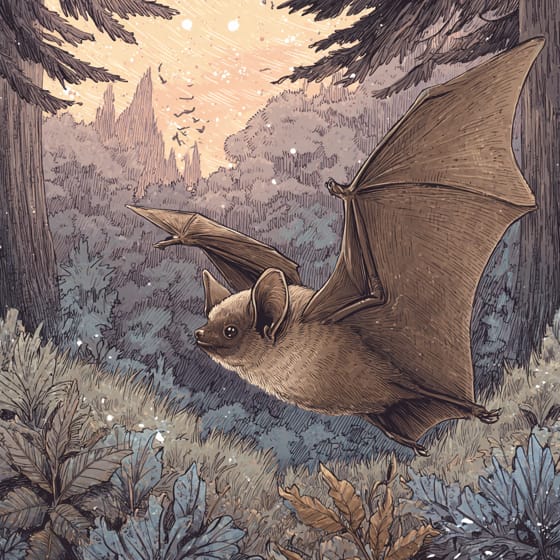
Myotis lucifugus
Bats catch adult moths in flight.
Solitary animals live alone for most of their lives, only interacting with others for mating or parental care.
Colorful describes organisms or objects displaying a wide range of bright and distinct colors.
This trait characterizes organisms whose diet consists entirely or primarily of plant material.
This habitat trait indicates species that can coexist with humans in urban and suburban environments, utilizing man-made structures and green spaces.

Nocturnal animals are primarily active during the nighttime hours, typically resting or sleeping during the day.

Describes organisms that transfer pollen, enabling the fertilization and reproduction of plants.
No aliases listed yet.
Danger
1/5 · Very low
These moths are harmless, but it's best to look and not touch them.
The easiest way to identify Celery Leaftier Moth is to use the Snappit nature identifier app.
14-22 mm
8-10 mm
7-10 days
8 km/h
Larvae munch on plant leaves, while adult moths sip sweet nectar from flowers.
Gardens
Foraging
Zoom in to split clusters and explore where this object has been snapped.

Illinois, US
You might spot Chicory, Hackberry Emperor, and Compass Plant.
View guide →

Virginia, US
You might spot Asian Lady Beetle, Spotted Lanternfly, and Christmas Fern.
View guide →

West Virginia, US
You might spot Virginia Bluebells, Bloodroot, and Maidenhair Spleenwort.
View guide →
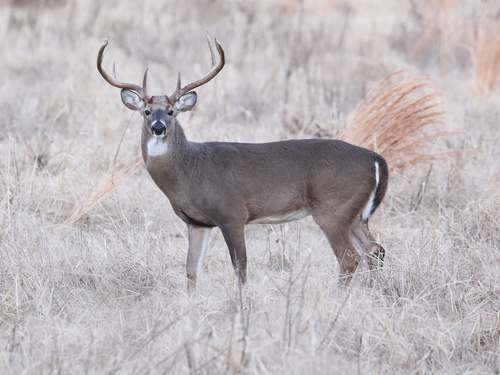
Virginia, US
You might spot White-Tailed Deer, Northern Cardinal, and Red Fox.
View guide →

West Virginia, US
You might spot Eastern Black-Legged Tick and Celery Leaftier Moth.
View guide →
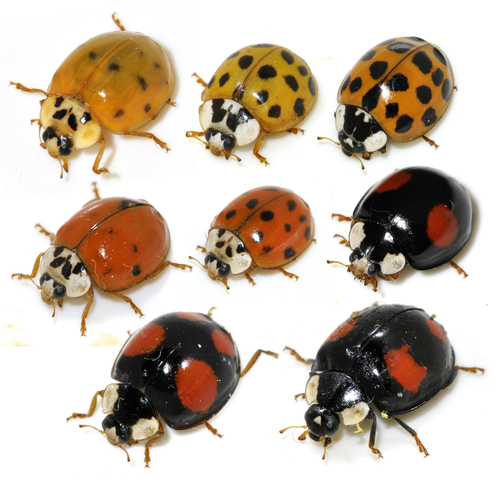
Virginia, US
You might spot Asian Lady Beetle and Bluegrass Webworm Moth.
View guide →
Take the discovery with you
Snap it with Snappit to identify it, learn what makes it special, and add the discovery to your collection.








.jpg&width=800)



