





Chaetorellia
Chaetorellia
Chaetorellia is a tiny insect that loves to live on plants. It has a special way of helping plants grow by making them healthier and stronger.
Habitat: Gardens
The Chaetorellia is a small, stubby fly, typically yellowish-brown, with large, prominent eyes. Its most distinguishing feature is its beautifully patterned wings, often adorned with dark bands or spots, which sets it apart from common flies.
Category
InsectsRarity
Common
Danger
1/5 · Very low
Snaps
Be the first to snap!
Chaetorellia larvae are expert seed-eaters, often stopping thistle seeds from growing.
Some types of Chaetorellia flies are used by people to help control pesky weeds!
Their eggs are tucked deep inside plant flowers, making them super-secret hideouts.
These tiny flies do not bite humans or carry diseases, they just love plants.
Chaetorellia can lay eggs precisely inside plant parts using a special tube, creating a safe, food-filled nursery for its larvae.
Chaetorellia larvae develop entirely within thistle flower heads or stems, protected from danger while they feed and grow.
Chaetorellia has unique dark patterns on its wings that help it communicate with other flies or even mimic larger, scarier insects.
Chaetorellia larvae are plant eaters, feeding inside flowers, while adults enjoy sweet nectar from blooms.
Age differences: Larvae consume plant tissues, while adults primarily feed on nectar and honeydew.
Centaurea solstitialis
Larvae feed and develop within its flower heads.

Cirsium arvense
Larvae feed and grow inside its flower heads.
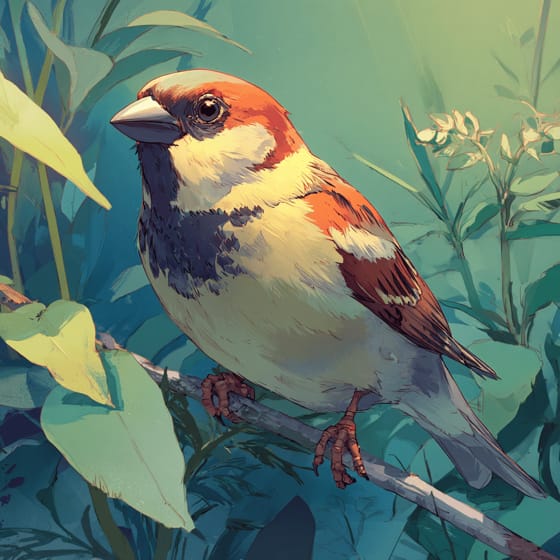
Passer domesticus
Adult Chaetorellia flies can be a food source.
Araniella cucurbitina
Spiders prey on adult Chaetorellia flies.
Social animals live in organized groups, cooperating for survival benefits such as foraging, defense, and raising offspring.
This trait characterizes organisms whose diet consists entirely or primarily of plant material.
Describes a relationship between two different species where they live in close association, often benefiting one or both.
Describes a species whose presence and role have a disproportionately large effect on its environment.

Pertaining to species that are significantly smaller than typical or average for their kind.

This habitat trait indicates species that can coexist with humans in urban and suburban environments, utilizing man-made structures and green spaces.

Describes organisms that transfer pollen, enabling the fertilization and reproduction of plants.
No aliases listed yet.
Danger
1/5 · Very low
It's best to observe insects from a distance and not touch them.
The easiest way to identify Chaetorellia is to use the Snappit nature identifier app.
4-10 mm
2-5 mm
15-40 days
1-3 km/h
Chaetorellia larvae are plant eaters, feeding inside flowers, while adults enjoy sweet nectar from blooms.
Gardens
Foraging
Zoom in to split clusters and explore where this object has been snapped.
Recent snaps will appear here as new observations are added.
Take the discovery with you
Snap it with Snappit to identify it, learn what makes it special, and add the discovery to your collection.








.jpg&width=800)



