





Chinaberry
Melia azedarach
The Chinaberry tree is a tall tree with beautiful, purple flowers and green leaves. It grows in warm places and can be found in parks and gardens, making it a lovely sight to see!
Habitat: Urban areas
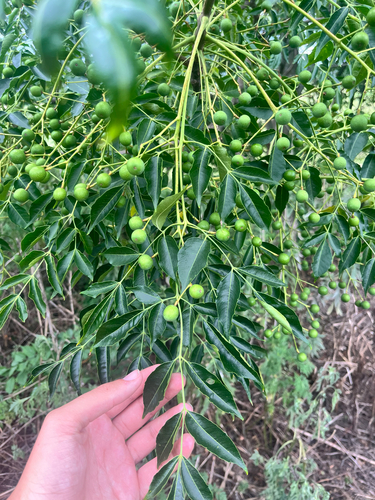
The Chinaberry has fragrant, star-shaped, pale purple flowers clustered among its green, feathery leaves. Later, shiny yellow, round berries hang in dense bunches, creating a striking contrast against the foliage, making it visually distinct.
Category
PlantsRarity
Common
Danger
2/5 · Low
Snaps
5
Extracts from Chinaberry leaves are used in some natural insect sprays, even on crops!
Its beautiful berries are toxic to humans and pets, but many birds can safely eat them!
People use Chinaberry wood, known for its beauty and durability, to make furniture and crafts!
The Chinaberry tree is also called 'Persian Lilac' because its flowers look and smell like lilacs!
Chinaberry can grow rapidly and tolerate harsh conditions like drought and poor soil, helping it thrive in many environments.
Chinaberry has compounds in its leaves and seeds that can naturally repel or kill certain insects, protecting itself from damage.
Chinaberry berries remain on the tree through winter, providing a food source for birds when other options are scarce.
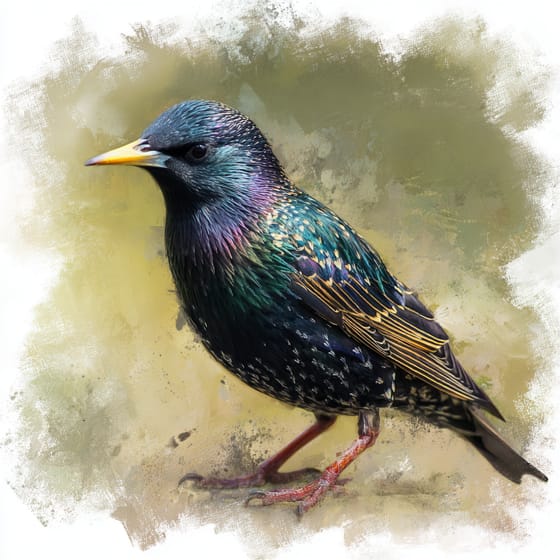
Sturnus vulgaris
consumes berries and disperses seeds
Apis mellifera
gathers nectar and pollen from flowers
Spodoptera litura
larvae feed on leaves causing defoliation
Deciduous plants periodically shed all their leaves, typically during autumn or dry seasons.
Flowering plants are any plants that produce flowers as part of their reproductive cycle.
Shade tolerant plants are adapted to grow and thrive in areas with low light levels, requiring less direct sunlight.
Broadleaf trees are angiosperms characterized by flat, wide leaves that are typically shed annually in temperate climates.

Colorful describes organisms or objects displaying a wide range of bright and distinct colors.

Describes plants that are particularly attractive and beneficial to a wide range of pollinating organisms.

This trait characterizes organisms with an exceptionally long lifespan compared to others of their kind.

This habitat trait indicates species that can coexist with humans in urban and suburban environments, utilizing man-made structures and green spaces.

Invasive species are non-native organisms that cause harm to the environment, economy, or human health.
No aliases listed yet.
Danger
2/5 · Low
Do not eat the berries from the Chinaberry tree, as they can make you feel sick.
The easiest way to identify Chinaberry is to use the Snappit nature identifier app.
700-1500 cm
600-1000 cm
1-2 cm
Spring-early summer
No
High
Perennial
Zoom in to split clusters and explore where this object has been snapped.
Jun 16, 2026
Charleston Historic DistrictPhoto attribution
(c) William Harmon, some rights reserved (CC BY)
License: CC BY 4.0 ↗
Image may be shown cropped inside the card frame.

South Carolina, US
You might spot Brown Pelican, Boat-Tailed Grackle, and Great Egret.
View guide →

US
You might spot Brown Pelican, Boat-Tailed Grackle, and Great Egret.
View guide →

Louisiana, US
You might spot Mississippi River Wakerobin and Lyreleaf Sage.
View guide →

Georgia, US
You might spot Silk Tree, Joro Spider, and Kingsnake.
View guide →

Alabama, US
You might spot Eastern Newt, Six-Lined Racerunner, and Giant Floater.
View guide →

Florida, US
You might spot Brown Anole, Osprey, and White Ibis.
View guide →
Take the discovery with you
Snap it with Snappit to identify it, learn what makes it special, and add the discovery to your collection.







.jpg&width=800)

_001.jpg&width=800)


