





Wall Lettuce
Mycelis muralis
Wall Lettuce is a leafy plant that grows in cracks and walls. It has bright green leaves that are fun to look at and touch. This plant loves to grow in sunny places and can be found in many gardens and parks!
Habitat: Urban areas
The Wall Lettuce has distinctive, deeply lobed leaves that often show a purplish tint on their undersides. Its small, dandelion-like yellow flowers emerge on slender, branching stems, often appearing to float delicately from walls or crevices.
Category
PlantsRarity
Common
Danger
1/5 · Very low
Snaps
7
Baby wall lettuce leaves taste a bit like mild lettuce with a touch of bitterness.
Its Latin name, 'muralis', means 'of walls' because it loves growing there!
Like dandelions, its stems ooze a milky white sap when they are broken!
Some people call it 'Ivy-leaved Lettuce' because of its unique leaf shape!
Wall Lettuce can root and thrive in tiny cracks in walls or pavement, helping it find new, often protected, places to grow.
Its seeds have tiny parachutes, letting them catch the wind to spread far and wide and colonize new spots.
The underside of its leaves can turn purple, possibly helping it absorb more sunlight in shaded or low-light environments.
Apis mellifera
visits its small yellow flowers for nectar and pollen.

Syrphus ribesii
adults visit flowers for nectar, aiding pollination.

Helix aspersa
snails and slugs frequently graze on its tender leaves.
Aromatic plants produce and emit fragrant volatile organic compounds, often for defense or to attract pollinators.
Flowering plants are any plants that produce flowers as part of their reproductive cycle.
Summer blooming plants produce their flowers during the summer season, often providing vibrant color when many other plants have finished.
Edible plants are those parts of a plant that are considered safe for human consumption.

Describes plants that are particularly attractive and beneficial to a wide range of pollinating organisms.

Rapid growing plants exhibit accelerated growth rates, quickly increasing in size and biomass within a short period.

This habitat trait indicates species that can coexist with humans in urban and suburban environments, utilizing man-made structures and green spaces.
No aliases listed yet.
Danger
1/5 · Very low
Always wash your hands after touching plants, just to be safe!
The easiest way to identify Wall Lettuce is to use the Snappit nature identifier app.
15-80 cm
10-30 cm
0.5-1 cm
Summer, Fall
Yes
None
Biennial
Zoom in to split clusters and explore where this object has been snapped.

Vermont, US
You might spot Northern Cardinal, Wood Frog, and White-Breasted Nuthatch.
View guide →
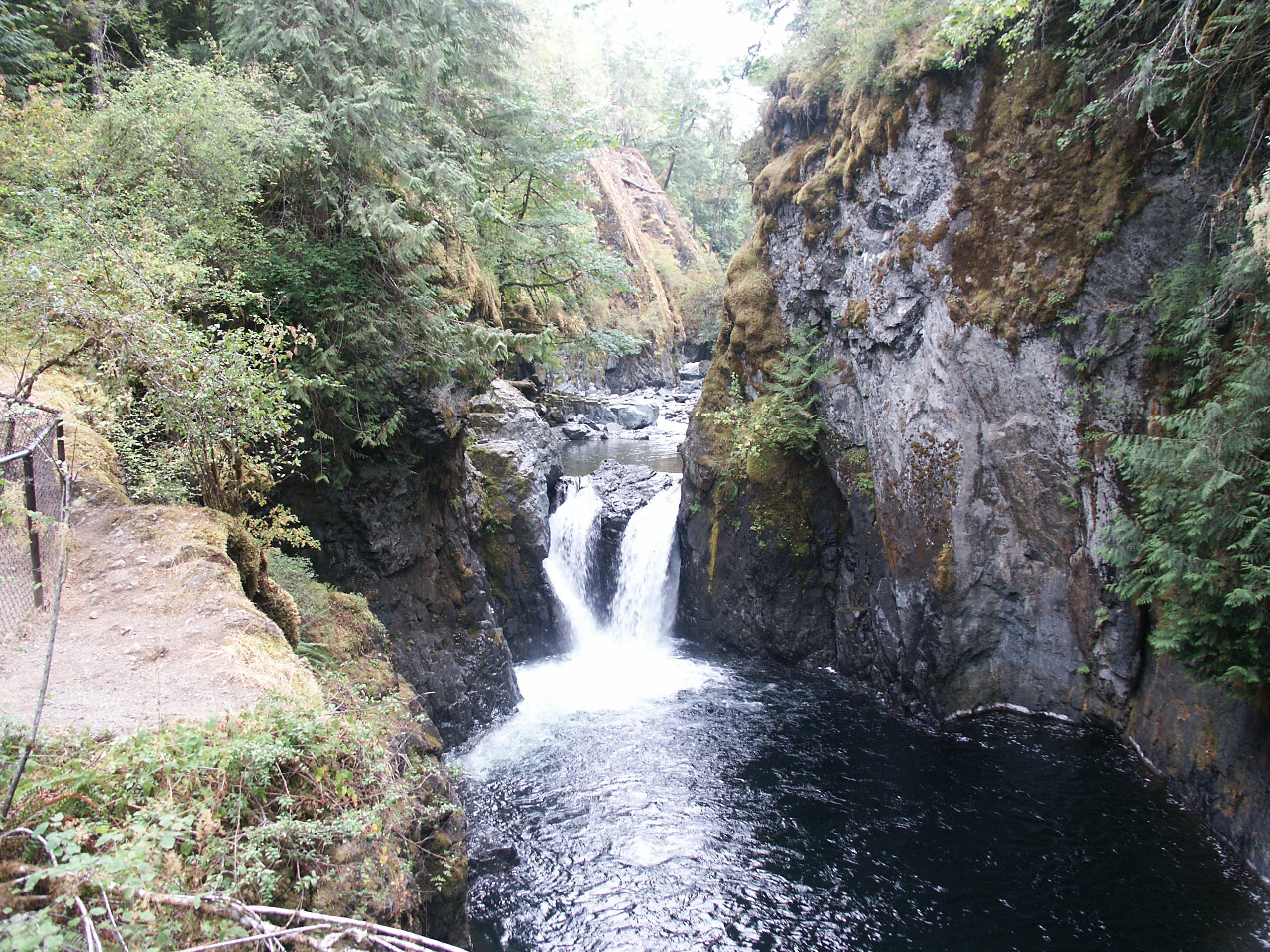
British Columbia, CA
You might spot Vanilla Leaf, Western Maidenhair Fern, and Salal.
View guide →

British Columbia, CA
You might spot Western Rattlesnake Plantain and Shinyleaf Meadowsweet.
View guide →

New Hampshire, US
You might spot Common Shiner, Tree Lungwort, and Creek Chub.
View guide →

Washington, US
You might spot Thimbleberry, Modesty, and Arctic Butterbur.
View guide →

Massachusetts, US
You might spot Pink Lady's Slipper, Spring Peeper, and Painted Turtle.
View guide →
Take the discovery with you
Snap it with Snappit to identify it, learn what makes it special, and add the discovery to your collection.








.jpg&width=800)



_001.jpg&width=800)



