





Chinese Water Dragon
Physignathus cocincinus
The Chinese Water Dragon is a colorful lizard that loves to swim and climb. They have bright green scales and can grow quite big, making them a fun sight to see in the wild!
Habitat: Forests
The Chinese Water Dragon is a vibrant green lizard with distinct vertical stripes and an orange or yellow throat. Males often have prominent crests along their head, back, and tail, making them look like miniature dragons compared to females.
Category
ReptilesRarity
Common
Danger
1/5 · Very low
Snaps
Be the first to snap!
Male water dragons bob their heads to show off to females!
Their vibrant green skin helps them disappear among tropical leaves.
They can run on their hind legs for short bursts to escape danger!
They sometimes eat tasty fruits as a treat in their diet.
Chinese Water Dragons have a 'third eye' on their head that senses light changes, helping detect predators from above.
Chinese Water Dragons can drop their tail if caught, which wiggles to distract predators while they escape.
Chinese Water Dragons can drop from tree branches into water below to escape danger or move quickly.
They mainly hunt insects and other small animals, but enjoy some plants too!
Age differences: Young are more insectivorous, adults eat larger prey and more plant matter.
Gryllus bimaculatus
A common insect prey for young and adult dragons.
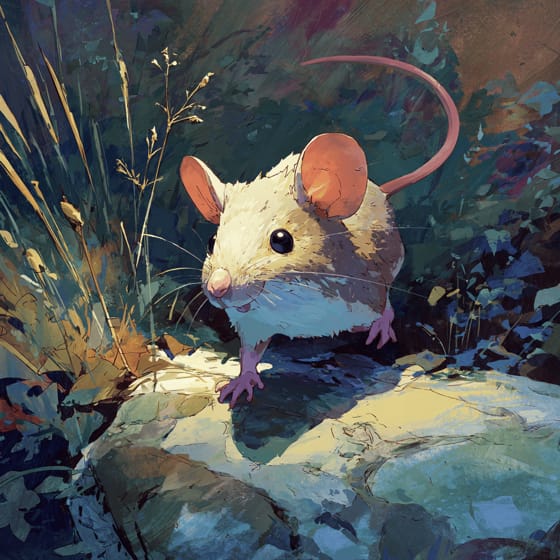
Mus musculus
Larger adult dragons might prey on small mouse pups.
Naja naja
Larger snakes are natural predators of water dragons.

Pandion haliaetus
Raptors can snatch dragons from branches over water.
This trait identifies organisms whose diet includes both plant and animal matter.
Arboreal animals live primarily in trees, utilizing them for shelter, food, and protection from predators.
Camouflaged describes organisms that possess coloring or patterns that allow them to blend into their environment.
Colorful describes organisms or objects displaying a wide range of bright and distinct colors.

Forest habitats are terrestrial environments dominated by dense tree cover, supporting a high diversity of plant and animal life.

Diurnal animals are primarily active during daylight hours, typically resting or sleeping at night.
Danger
1/5 · Very low
Always watch from a distance and don't try to touch wild lizards.
The easiest way to identify Chinese Water Dragon is to use the Snappit nature identifier app.
60-100 cm
0.2-1 kg
10-15 years
15 km/h
They mainly hunt insects and other small animals, but enjoy some plants too!
8 km/h
Forests
Zoom in to split clusters and explore where this object has been snapped.
Recent snaps will appear here as new observations are added.
Take the discovery with you
Snap it with Snappit to identify it, learn what makes it special, and add the discovery to your collection.










