





Chlorostilbon maugaeus
Chlorostilbon maugaeus
The Green-crowned Brilliant is a beautiful hummingbird with shiny green feathers. It loves to sip nectar from flowers and can hover in the air like a tiny helicopter!
Habitat: Mountain regions
The Chlorostilbon maugaeus is a small, iridescent emerald green hummingbird with a bright white post-ocular spot behind its eye. Males boast a deeply forked, glossy black tail, while females have a shorter, more rounded tail with distinctive white tips on their outer feathers.
Category
BirdsRarity
Common
Danger
1/5 · Very low
Snaps
Be the first to snap!
It's the smallest bird species found only on the island of Puerto Rico!
Its wings beat so fast, they make a buzzing sound and blur into a shimmering haze!
This tiny bird can even fly backwards and upside down, which is super rare for birds!
To save energy at night, this tiny bird can enter a deep sleep called torpor.
Chlorostilbon maugaeus can hover perfectly still in the air because of its unique wing structure that allows rapid figure-eight motions.
Chlorostilbon maugaeus has an incredibly high metabolism that requires constant feeding to fuel its rapid wing beats and active lifestyle.
Chlorostilbon maugaeus has a unique, long forked tongue that helps them efficiently collect nectar from deep inside flowers.
This tiny bird sips sweet flower nectar and snatches small insects for essential protein.
Age differences: Young birds need more protein from insects for rapid growth and development.
Malvaviscus arboreus
Visits its red flowers for nectar, aiding plant reproduction.
Psychotria ligustrifolia
Feeds on its small flowers, helping spread pollen.

Buteo platypterus
Hunts small birds, including hummingbirds, in its range.
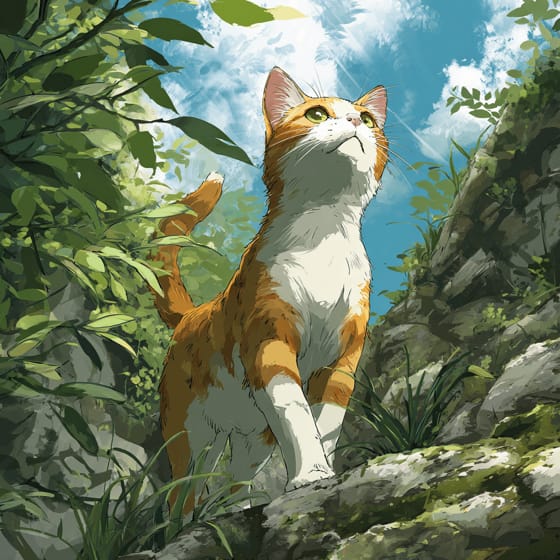
Felis catus
Feral cats are significant predators of these small birds.
Feathered describes animals, primarily birds, possessing a covering of feathers.
Aerial creatures spend a significant portion of their lives airborne, utilizing flight for various activities such as hunting, migration, or nesting.
Colorful describes organisms or objects displaying a wide range of bright and distinct colors.
This trait characterizes organisms whose diet consists entirely or primarily of plant material.

This habitat trait identifies species found in mountainous regions, characterized by high elevation, steep slopes, and varying climate zones.

Diurnal animals are primarily active during daylight hours, typically resting or sleeping at night.

This trait identifies organisms that exhibit exceptional swiftness in movement for hunting, escape, or travel.

Describes organisms that transfer pollen, enabling the fertilization and reproduction of plants.
No aliases listed yet.
Danger
1/5 · Very low
Watch hummingbirds from a distance so they feel safe and can enjoy their flowers.
The easiest way to identify Chlorostilbon maugaeus is to use the Snappit nature identifier app.
8.5-9.5 cm
10-12 cm
0.0025-0.0035 kg
3-7 years
50 km/h
This tiny bird sips sweet flower nectar and snatches small insects for essential protein.
Mountain regions
Zoom in to split clusters and explore where this object has been snapped.
Recent snaps will appear here as new observations are added.
Take the discovery with you
Snap it with Snappit to identify it, learn what makes it special, and add the discovery to your collection.




.jpg&width=800)







