.jpg&width=800)





Clemens' Grass Tubeworm Moth
Acrolophus popeanella
Clemens' Grass Tubeworm Moth is a small, fuzzy moth that loves to hide in grass. It has a special way of making a cozy tube from grass leaves to stay safe and warm.
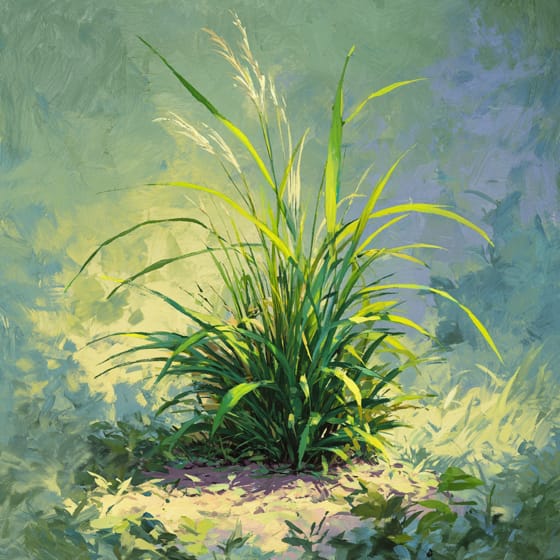
Habitat: Grasslands
The Clemens' Grass Tubeworm Moth is a small, often shaggy-looking moth with dull yellowish to brownish-gray forewings that can have subtle darker markings. Its hindwings are plain gray. This coloring helps it blend perfectly with dried grasses and soil, making it hard to spot.
Category
InsectsRarity
Common
Danger
1/5 · Very low
Snaps
Be the first to snap!
Adult moths have extra-fuzzy antennae that help them smell and feel their way in the dark.
Baby tubeworms live underground in little silken tunnels made from grass!
Their wings are covered in tiny scales, like roof tiles, giving them their unique colors.
These moths can sometimes 'play dead' by falling to the ground if they feel threatened!
Clemens' Grass Tubeworm Moth larvae can construct silk-lined tubes from grass and soil, which helps them hide from predators while they feed.
Clemens' Grass Tubeworm Moth can fly actively at night, guided by sensitive antennae to find mates and avoid danger in the dark.
Clemens' Grass Tubeworm Moth larvae can digest tough grass roots because they have specialized mouthparts for chewing underground.
The young munch on grass roots, but adult moths usually don't need to eat!
Age differences: Larvae feed on grass roots; adults are generally non-feeding or consume dew/nectar minimally.
Furry describes animals possessing a dense covering of soft hair or fur.
Solitary animals live alone for most of their lives, only interacting with others for mating or parental care.
Grassland habitats are terrestrial biomes dominated by grasses and herbaceous plants, supporting a variety of grazing animals.
This trait characterizes organisms whose diet consists entirely or primarily of plant material.

Nocturnal animals are primarily active during the nighttime hours, typically resting or sleeping during the day.

Describes organisms that transfer pollen, enabling the fertilization and reproduction of plants.
No aliases listed yet.
Danger
1/5 · Very low
Don't touch moths you find outside; they might be scared!
The easiest way to identify Clemens' Grass Tubeworm Moth is to use the Snappit nature identifier app.
20-30 mm
10-15 mm
7-14 days
The young munch on grass roots, but adult moths usually don't need to eat!
Grasslands
Foraging
6
Zoom in to split clusters and explore where this object has been snapped.
Recent snaps will appear here as new observations are added.
Take the discovery with you
Snap it with Snappit to identify it, learn what makes it special, and add the discovery to your collection.







.jpg&width=800)




