





Climbing Corydalis
Ceratocapnos claviculata
Climbing Corydalis is a beautiful plant with delicate, fern-like leaves and pretty flowers. It loves to grow in shady places and can climb up other plants to reach the sunlight.
Habitat: Forests
The Climbing Corydalis is a delicate vine with slender, scrambling stems. It has airy, fern-like leaves and produces small, tubular flowers that are a pale creamy-yellow or whitish color. Its unique grasping petioles help it cling to other plants.
Category
PlantsRarity
Common
Danger
1/5 · Very low
Snaps
Be the first to snap!
It's a fast grower, often appearing quickly in new open spaces like forest clearings!
Its scientific name, *Ceratocapnos claviculata*, means 'horn smoke club-shaped'!
This plant is sometimes called 'Fumitory' because its delicate leaves look smoky!
Tiny ants love to carry its seeds away, helping the plant spread far and wide!
Climbing Corydalis has specialized leaf stalks that curl and grasp, helping it effortlessly climb up other plants and structures to reach sunlight.
Its small seed pods can burst open with a pop, flinging tiny seeds away from the parent plant to find new places to grow.
The pale yellow flowers have subtle nectar guides, patterns that act like landing strips for insects, directing them to sweet nectar.
Apis mellifera
attracted to its nectar-rich flowers.
Bombus terrestris
visits its flowers for nectar.

Helix aspersa
its delicate leaves are a food source.
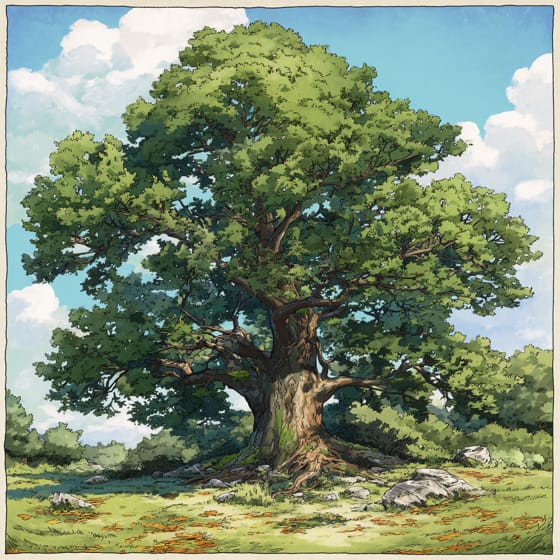
Quercus robur
often uses tree branches for climbing support.
Climbing or vine plants are characterized by a growth habit that allows them to ascend upwards by twining, tendrils, or adhesive roots.
Deciduous plants periodically shed all their leaves, typically during autumn or dry seasons.
Flowering plants are any plants that produce flowers as part of their reproductive cycle.
Shade tolerant plants are adapted to grow and thrive in areas with low light levels, requiring less direct sunlight.

Spring blooming plants produce their flowers during the spring season, often signifying the end of winter and the start of new growth.

Colorful describes organisms or objects displaying a wide range of bright and distinct colors.

Describes plants that are particularly attractive and beneficial to a wide range of pollinating organisms.

Forest habitats are terrestrial environments dominated by dense tree cover, supporting a high diversity of plant and animal life.
No aliases listed yet.
Danger
1/5 · Very low
Always look but don't touch plants unless you know they are safe.
The easiest way to identify Climbing Corydalis is to use the Snappit nature identifier app.
50-150 cm
0.5-1 cm
Summer to early autumn
No
None
Perennial
Insect
Zoom in to split clusters and explore where this object has been snapped.
Recent snaps will appear here as new observations are added.
Take the discovery with you
Snap it with Snappit to identify it, learn what makes it special, and add the discovery to your collection.






.jpg&width=800)



_001.jpg&width=800)



