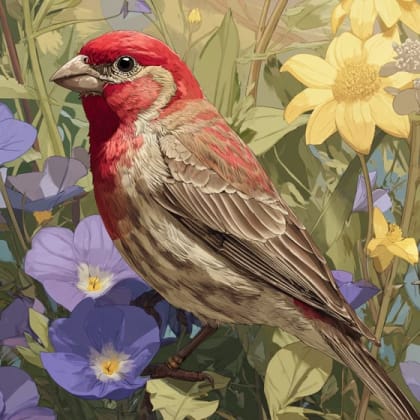



Northern Cardinal

The Angel Oak is a monumental Southern live oak, one of the oldest and most majestic trees in the United States.
The Angel Oak is a monumental Southern live oak, one of the oldest and most majestic trees in the United States. This extraordinary natural wonder, located on Johns Island near Charleston, South Carolina, is a cherished "Lowcountry Treasure" and a living testament to centuries of natural history. Estimated to be between 300 and 500 years old, its immense size and ancient beauty draw nearly half a million visitors annually, making it a truly unique destination.
Standing approximately 65 feet tall with a trunk circumference of 25 to 28 feet, the Angel Oak is not just tall, but incredibly wide, with a canopy that shades an impressive 17,000 to 17,200 square feet. Its most striking feature is its sprawling, gnarled branches, some of which extend up to 187 feet in length, touching the ground and curling back up, creating an enchanting, almost otherworldly landscape. Many of these colossal limbs are supported by beams to protect their delicate structure. The tree is also adorned with iconic Spanish moss and hosts resurrection ferns, which dramatically unfurl with moisture, adding to its mystique. Visitors can also seek out the "Baby Angel" tree, a young oak grown from an acorn of its ancient parent.
Visiting Angel Oak Park offers a serene escape, inviting contemplation and connection with nature and history. The sheer scale and resilience of the Angel Oak leave a lasting impression, providing a powerful reminder of the enduring beauty of the Lowcountry. It's a place for quiet reflection, stunning photography, and an immersive experience in one of America's most iconic natural landmarks. Planning to visit? Download the Snappit app to identify the wildlife you spot in real-time.
The Angel Oak derives its name from the Angel family, who owned the land where the tree stands in the 19th century. The property was originally part of a land grant to colonist Abraham Waight in 1717. His daughter, Martha, married Justus Angel in 1810, and their descendants owned the land until the mid-1900s. Over its estimated 300 to 500-year lifespan, the Angel Oak has withstood numerous natural disasters, including hurricanes, floods, and earthquakes, notably recovering from severe damage during Hurricane Hugo in 1989. The City of Charleston acquired the tree and its surrounding park in 1991. Historically, the tree and its grounds served as a significant gathering place for Native American communities and, notably, as an open space for African-American families to picnic and find solace during periods of segregation, as recounted by civil rights activist Septima P. Clark. Efforts to protect the tree from encroaching development have been ongoing, with the Lowcountry Land Trust playing a crucial role in acquiring additional land to create the larger Angel Oak Preserve, ensuring its preservation for future generations.
Walk beneath the expansive canopy, capture stunning photographs of the tree's unique form, browse local merchandise and information at the gift shop, and enjoy a picnic in the designated areas. Future plans for the Angel Oak Preserve include over two miles of ADA-accessible trails and boardwalks, an outdoor classroom, and a nature play area, which will enhance opportunities for exploration and learning.
The park is open year-round. Local festivals, such as the "Evening Under the Angel Oak" series, occasionally occur during the summer and autumn months, featuring music and arts. The weather in spring and fall is typically mild and pleasant, while summers can be hot.
The park currently features a gravel parking area and a paved path leading to the tree, making it accessible for many visitors. Future enhancements planned for the Angel Oak Preserve include over two miles of ADA-accessible trails and boardwalks, along with a new welcome center equipped with clean facilities.
The unparalleled size and unique structure of the Angel Oak tree are the primary draws. Marvel at its massive trunk, the incredibly long, ground-touching limbs, and the dense canopy draped with Spanish moss and resurrection fern. The surrounding park offers a peaceful atmosphere for reflection.
Each card links to a full Explore page with photos, traits, and fun facts.
Start with the big picture, then zoom in to explore individual wildlife observations around this place.
Arrive Early or Late
To avoid crowds and enjoy a more tranquil experience, visit during the early morning or late afternoon. This also provides the best natural light for photography.
Respect the Rules
Adhere strictly to the park's regulations, which prohibit climbing, sitting, or standing on the tree, and disallow tripods, blankets, food, and drinks near the tree to protect its fragile root system and branches.
Bring Your Camera
The Angel Oak is incredibly photogenic. Capture its vast canopy, gnarled limbs, and draped Spanish moss from various angles.
Plan for a Picnic
Take advantage of the designated picnic areas within the park for a relaxing meal under the shade of other trees.
Visit the Gift Shop
Explore the on-site gift shop for unique Lowcountry specialty items, memorabilia, and local artisan crafts.
Check Hours in Advance
Although generally open daily, hours can vary, especially on holidays. It's always wise to check the official website before your visit to confirm operating hours.
Jun 3, 2026
May 30, 2026
May 28, 2026
May 27, 2026
May 26, 2026

Maryland, US
You might spot White-Tailed Deer and Eastern Gray Squirrel.
View guide →
.jpg)
District of Columbia, US
You might spot Eastern Gray Squirrel, Duck, and House Sparrow.
View guide →

Illinois, US
You might spot American Robin, Canada Goose, and House Sparrow.
View guide →

Virginia, US
You might spot Spotted Lanternfly and Northern Cardinal.
View guide →
Take the discovery with you
Identify the wildlife you spot, learn as you go, and keep a collection of the adventure.