.jpg&width=800)





Coendou
Coendou
Coendous, also known as porcupine, are cute, spiky animals that love to climb trees. They have long quills that help protect them from predators and are mostly nocturnal, which means they are active at night.
Habitat: Forests
The Coendou is covered in dense, short, yellowish-brown quills that stand upright when threatened. It has a rounded head, small eyes, and a distinctive bare, muscular prehensile tail that is used for grasping branches. This tail sets it apart from many other porcupines.
Category
MammalsRarity
Common
Danger
3/5 · Moderate
Snaps
Be the first to snap!
Baby coendous are born with soft, bendy quills that harden within hours!
New World Coendou aren't close relatives of Old World porcupines!
Their sharp quills are barbed, making them extra tricky to remove!
They use their incredible bare tail like a fifth limb to grab branches!
Coendou can defend itself with thousands of sharp quills that detach easily to deter predators.
Coendou has a strong, bare prehensile tail that helps them grip branches and climb securely through the trees.
Coendou has excellent night vision because of large eyes that help them forage for leaves and fruits in the dark.
These spiky herbivores munch on leaves, fruit, and buds high up in the tropical rainforest canopy!
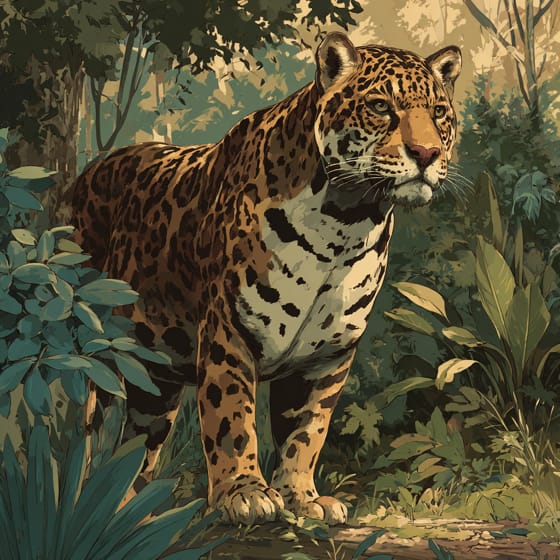
Panthera onca
A powerful jungle cat that often preys on Coendou.
Puma concolor
Another large feline predator found in Coendou's habitat.
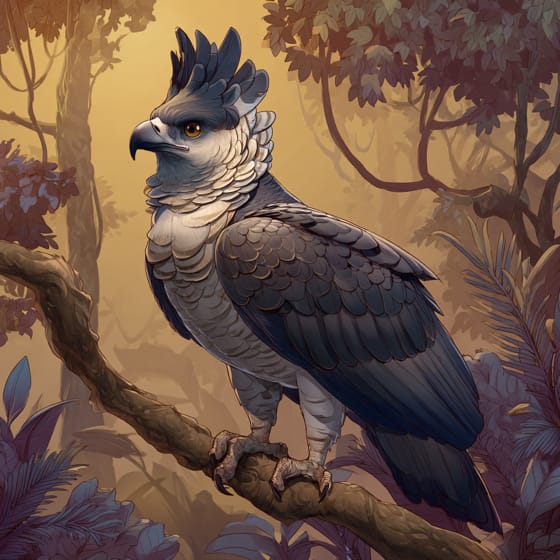
Harpia harpyja
Giant raptor that can snatch arboreal mammals like Coendou.
Ficus insipida
They eat the juicy fruits of this tropical fig tree.
Furry describes animals possessing a dense covering of soft hair or fur.
Solitary animals live alone for most of their lives, only interacting with others for mating or parental care.
Arboreal animals live primarily in trees, utilizing them for shelter, food, and protection from predators.
This trait characterizes organisms whose diet consists entirely or primarily of plant material.

Forest habitats are terrestrial environments dominated by dense tree cover, supporting a high diversity of plant and animal life.

Possessing sharp, pointed projections or spines on the body or surface.

Nocturnal animals are primarily active during the nighttime hours, typically resting or sleeping during the day.
No aliases listed yet.
Danger
3/5 · Moderate
If you see a porcupine, admire it from a distance. Their quills can hurt if touched!
The easiest way to identify Coendou is to use the Snappit nature identifier app.
30-60 cm
1.5-5 kg
10-15 years
5 km/h
These spiky herbivores munch on leaves, fruit, and buds high up in the tropical rainforest canopy!
Forests
Foraging
Zoom in to split clusters and explore where this object has been snapped.
Recent snaps will appear here as new observations are added.
Take the discovery with you
Snap it with Snappit to identify it, learn what makes it special, and add the discovery to your collection.




.jpg&width=800)


.JPG&width=800)


.jpg&width=800)
