





Collared Dove
Streptopelia decaocto
The Collared Dove is a gentle bird with a soft, cooing sound. They have a beautiful gray color and a little black 'collar' on their neck.
The Collared Dove has a slender, pale grey-buff body with distinctive red eyes and pinkish legs. It is easily recognized by the thin black half-collar on its nape. It appears slimmer than pigeons and larger than smaller doves.
Category
BirdsRarity
Common
Danger
1/5 · Very low
Snaps
Be the first to snap!
Collared Doves spread across Europe from Asia in less than a century!
Their 'coo-COO-coo' call sounds like they are saying 'un-IT-ed!'
These clever birds can remember where they hid their food stores!
They build flimsy nests, sometimes so thin you can see through them!
Collared Doves can rapidly expand their range because they adapt quickly and breed often, helping them colonize new lands.
Collared Doves have a distinct 'coo-COO-coo' call that helps them communicate and find mates, making them easy to identify.
Collared Doves can breed almost year-round because they adapt well to varied climates, allowing them to raise many broods.
These doves primarily eat seeds, grains, and small fruits found on the ground.

Accipiter nisus
Sparrowhawks frequently hunt doves in open areas and gardens.
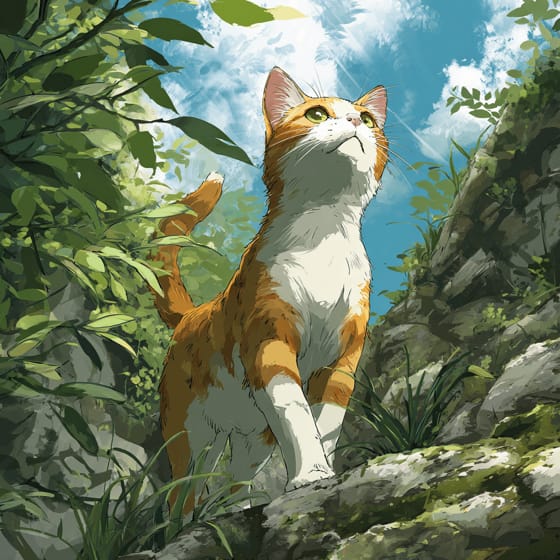
Felis catus
Pet cats are a common predator of doves in suburban settings.
Triticum aestivum
Doves frequently feed on fallen wheat grains in agricultural fields.
Helianthus annuus
They enjoy eating sunflower seeds, especially from bird feeders.
Wildlife encompasses all undomesticated animal and plant life existing in their natural habitats.
Feathered describes animals, primarily birds, possessing a covering of feathers.
Social animals live in organized groups, cooperating for survival benefits such as foraging, defense, and raising offspring.
Singing animals produce complex vocalizations, often for purposes of attracting mates, defending territory, or communicating within their species.

This trait characterizes organisms whose diet consists entirely or primarily of plant material.

Diurnal animals are primarily active during daylight hours, typically resting or sleeping at night.

This habitat trait indicates species that can coexist with humans in urban and suburban environments, utilizing man-made structures and green spaces.
Danger
1/5 · Very low
Collared Doves are friendly and not dangerous. Just enjoy watching them from a distance!
The easiest way to identify Collared Dove is to use the Snappit nature identifier app.
30-33 cm
47-55 cm
0.15-0.24 kg
3-7 years
60 km/h
These doves primarily eat seeds, grains, and small fruits found on the ground.
Foraging
Zoom in to split clusters and explore where this object has been snapped.
Recent snaps will appear here as new observations are added.

Florida, US
You might spot Brown Anole and Northern Curly-Tailed Lizard.
View guide →

Arizona, US
You might spot Stinknet, Eurasian Collared-Dove, and Phoenix Talussnail.
View guide →
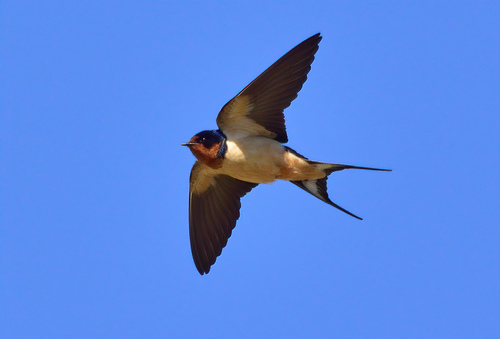
Texas, US
You might spot Barn Swallow, House Sparrow, and Indian Peafowl.
View guide →

Nebraska, US
You might spot Mule Deer, House Sparrow, and Eurasian Collared-Dove.
View guide →

Nebraska, US
You might spot Two-Spined Spur-Throat Grasshopper.
View guide →

New Mexico, US
You might spot Soaptree Yucca and White-Winged Dove.
View guide →
Take the discovery with you
Snap it with Snappit to identify it, learn what makes it special, and add the discovery to your collection.




.jpg&width=800)








