





Colorado Checkered Whiptail
Aspidoscelis neotesselatus
The Colorado Checkered Whiptail is a lively lizard with beautiful patterns on its skin. It loves to run fast and can often be seen basking in the sun on warm rocks.
Habitat: Desert
The Colorado Checkered Whiptail is a slender lizard with a long, often blue-grey tail. Its body features a distinctive dark brown or black checkered pattern over a lighter tan or cream background, and it has a pointed snout.
Category
ReptilesRarity
Common
Danger
1/5 · Very low
Snaps
2
Colorado Checkered Whiptails love sunbathing to get warm before hunting.
Each lizard's unique checkered pattern is like a fingerprint!
They are super speedy, darting around so fast they are hard to catch!
This lizard is a natural-born clone, laying eggs without a male!
Colorado Checkered Whiptail can reproduce without a male because it is an all-female species that uses parthenogenesis.
Colorado Checkered Whiptail can dart away from danger quickly that helps them escape predators and catch fast prey.
Colorado Checkered Whiptail can drop its tail that helps them distract predators and get away safely.
Colorado Checkered Whiptail has a high tolerance for heat that helps them hunt insects in hot desert environments.
This speedy lizard mainly eats insects and spiders it finds while actively foraging.
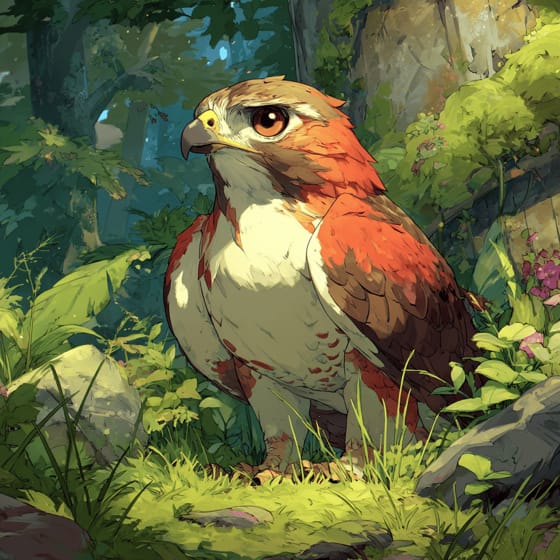
Buteo jamaicensis
A common raptor that preys on many small reptiles.
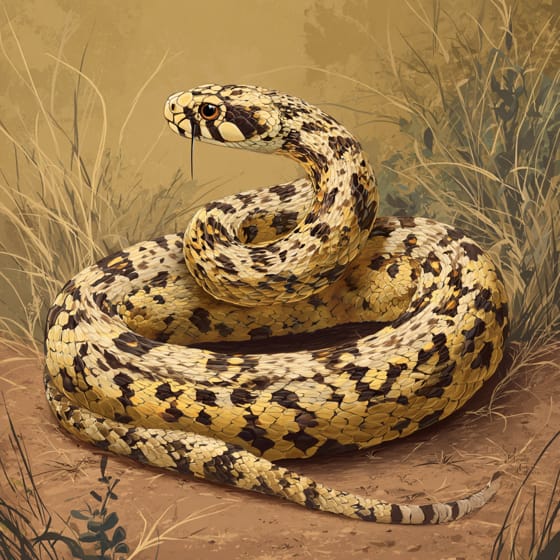
Pituophis catenifer
A terrestrial snake that hunts various small vertebrates.
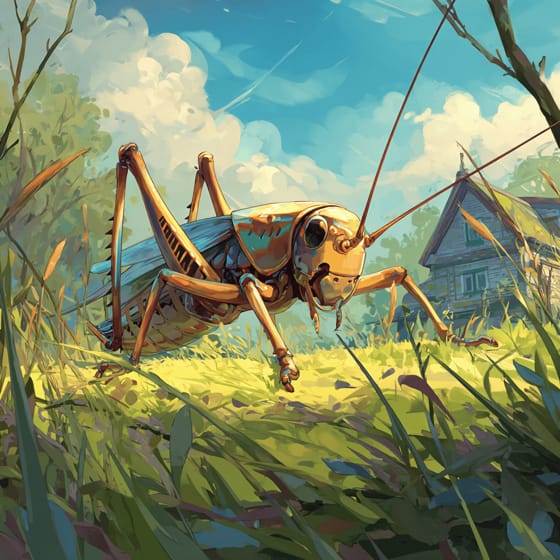
Acheta domesticus
A common insect often caught by active foraging whiptails.

Schistocerca nitens
A large grasshopper species targeted by whiptails.
Solitary animals live alone for most of their lives, only interacting with others for mating or parental care.
Camouflaged describes organisms that possess coloring or patterns that allow them to blend into their environment.
Colorful describes organisms or objects displaying a wide range of bright and distinct colors.
This trait identifies organisms whose diet primarily consists of insects and other small invertebrates.

Desert habitats are arid regions characterized by extremely low precipitation and often extreme temperatures, supporting specialized flora and fauna.

Diurnal animals are primarily active during daylight hours, typically resting or sleeping at night.

This trait identifies organisms that exhibit exceptional swiftness in movement for hunting, escape, or travel.
No aliases listed yet.
Danger
1/5 · Very low
If you see a lizard, watch it from a distance and don't try to catch it.
The easiest way to identify Colorado Checkered Whiptail is to use the Snappit nature identifier app.
20-30 cm
0.005-0.015 kg
3-7 years
25 km/h
This speedy lizard mainly eats insects and spiders it finds while actively foraging.
Desert
Foraging
Zoom in to split clusters and explore where this object has been snapped.
Take the discovery with you
Snap it with Snappit to identify it, learn what makes it special, and add the discovery to your collection.













