





Gray Bird Grasshopper
Schistocerca nitens
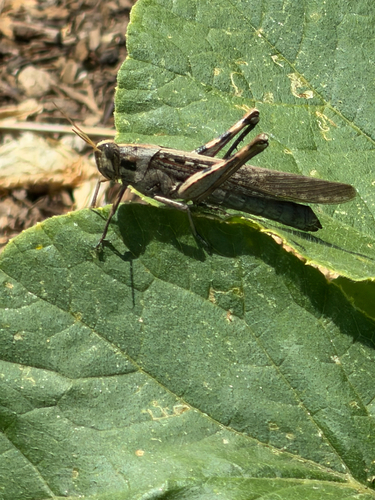
The Gray Bird Grasshopper is a fun little insect that loves to hop around in the grass. It has a gray color that helps it blend in with its surroundings, making it a great little jumper!
Habitat: Grasslands
The Gray Bird Grasshopper is a large insect, typically gray-brown or greenish-brown, often with darker markings on its body. It has very long, powerful hind legs for jumping and prominent wings that extend well beyond its abdomen, making it a strong flyer.
Category
InsectsRarity
Common
Danger
1/5 · Very low
Snaps
22
A grasshopper's ears are actually on its belly, near where its legs connect!
Instead of a nose, grasshoppers use their antennae to smell and feel their way around!
Some female grasshoppers lay hundreds of eggs underground in a foamy protective pod!
They can shed their outer skin, called an exoskeleton, several times as they grow!
Gray Bird Grasshopper can jump incredibly far because of its strong hind legs that help them escape danger quickly.
Gray Bird Grasshopper has large wings that helps them fly long distances to find new food sources or escape predators.
Gray Bird Grasshopper can blend in with its surroundings because of its earthy colors that help them hide from hungry birds.
Gray Bird Grasshopper has special structures on its wings and legs that help them rub together to make unique chirping sounds.
These plant-eating insects munch on various grasses, leaves, and desert shrubs.
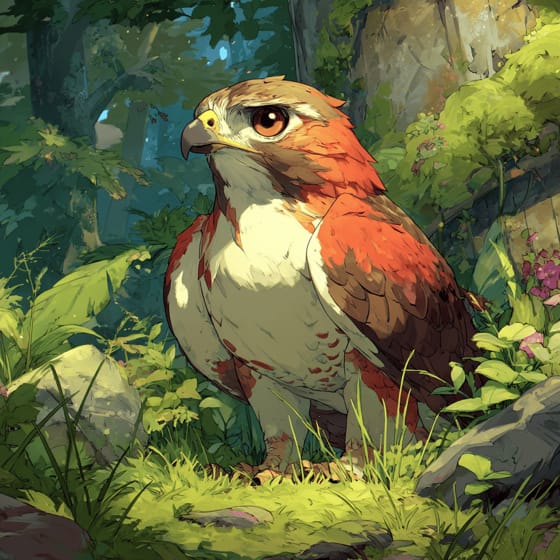
Buteo jamaicensis
a common prey item for many raptors.
Aspidoscelis tigris
a common snack for desert lizards.

Larrea tridentata
chows down on leaves of desert plants.
Bouteloua gracilis
grazes on various types of desert grasses.
Solitary animals live alone for most of their lives, only interacting with others for mating or parental care.
Singing animals produce complex vocalizations, often for purposes of attracting mates, defending territory, or communicating within their species.
Camouflaged describes organisms that possess coloring or patterns that allow them to blend into their environment.
Grassland habitats are terrestrial biomes dominated by grasses and herbaceous plants, supporting a variety of grazing animals.

This trait characterizes organisms whose diet consists entirely or primarily of plant material.

Diurnal animals are primarily active during daylight hours, typically resting or sleeping at night.

This trait identifies organisms that exhibit exceptional swiftness in movement for hunting, escape, or travel.

Describes organisms that transfer pollen, enabling the fertilization and reproduction of plants.
No aliases listed yet.
Danger
1/5 · Very low
Grasshoppers are safe to watch, but be gentle if you try to catch one.
The easiest way to identify Gray Bird Grasshopper is to use the Snappit nature identifier app.
90-150 mm
45-80 mm
60-120 days
15 km/h
These plant-eating insects munch on various grasses, leaves, and desert shrubs.
Grasslands
Foraging
Zoom in to split clusters and explore where this object has been snapped.
Jun 13, 2026
Desert Garden ConservatoryPhoto attribution
(c) Matt Benjamin, some rights reserved (CC BY)
License: CC BY 4.0 ↗
Image may be shown cropped inside the card frame.

California, US
You might spot Western Fence Lizard and Eastern Fox Squirrel.
View guide →

California, US
You might spot Western Fence Lizard, Eastern Fox Squirrel, and Duck.
View guide →

Arizona, US
You might spot Saguaro and Graham's Nipple Cactus.
View guide →

California, US
You might spot Western Fence Lizard, Duck, and Black Phoebe.
View guide →

California, US
You might spot Eastern Fox Squirrel, Bee, and House Sparrow.
View guide →

California, US
You might spot Common Raven and Red-Tailed Hawk.
View guide →
Take the discovery with you
Snap it with Snappit to identify it, learn what makes it special, and add the discovery to your collection.






.jpg&width=800)




