





common alkanet
Anchusa officinalis
Common alkanet is a pretty flower that blooms with bright blue petals. It grows in gardens and fields, adding a splash of color to nature. Bees love to visit these flowers for their sweet nectar!
Habitat: Urban areas, gardens, fields
The common alkanet has upright, hairy stems with rough, lance-shaped leaves. Its trumpet-shaped flowers are a striking deep blue or violet, often featuring a small white eye, blooming in clusters along the upper stem.
Category
PlantsRarity
Common
Danger
1/5 · Very low
Snaps
7
Ancient cultures extracted a special crimson dye from its roots for fabrics and cosmetics!
Each little flower starts as a pink bud before bursting into its brilliant blue hue!
Its scientific name, Anchusa, means 'paint' in Greek, hinting at its colorful history!
The plant's rough, hairy leaves feel just like sandpaper if you touch them!
Common alkanet has a powerful taproot that reaches deep underground, helping it find water in dry, sunny spots.
Common alkanet's stems and leaves are covered in stiff, bristly hairs, protecting it from hungry plant-eaters.
Common alkanet's vibrant blue flowers act like a bright signal, easily attracting many busy insect pollinators.
Apis mellifera
Gathers nectar and pollen from the flowers.
Bombus terrestris
Feeds on nectar, helping to spread pollen.
Vanessa cardui
Visits flowers for nectar, aiding in pollination.
Flowering plants are any plants that produce flowers as part of their reproductive cycle.
Biennial plants complete their life cycle over two growing seasons, typically forming foliage in the first year and flowering/seeding in the second.
This human use trait indicates species from which natural dyes can be extracted and used to color textiles, food, or other materials.
Colorful describes organisms or objects displaying a wide range of bright and distinct colors.

Describes plants that are particularly attractive and beneficial to a wide range of pollinating organisms.

This habitat trait indicates species that can coexist with humans in urban and suburban environments, utilizing man-made structures and green spaces.

Describes organisms that transfer pollen, enabling the fertilization and reproduction of plants.
No aliases listed yet.
Danger
1/5 · Very low
Always look but don't touch flowers without asking an adult.
The easiest way to identify common alkanet is to use the Snappit nature identifier app.
30-90 cm
30-60 cm
0.8-1.2 cm
Late spring to late summer
No
Mild
Biennial
Zoom in to split clusters and explore where this object has been snapped.

Utah, US
You might spot Duck, Gambel Oak, and Box Elder.
View guide →

Washington, US
You might spot Arrowleaf Balsamroot and Canada Goose.
View guide →
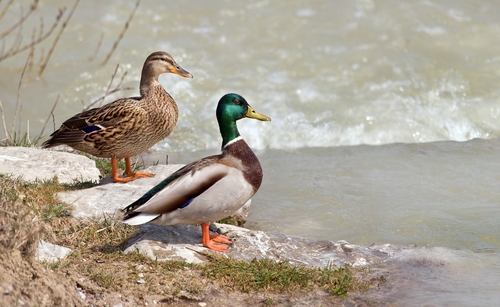
Washington, US
You might spot Duck, Yellow-Bellied Marmot, and Canada Goose.
View guide →

Washington, US
You might spot Duck, Common Alkanet, and Arrowleaf Balsamroot.
View guide →

Washington, US
You might spot Tiger, White Tiger, and Black Bear.
View guide →
Take the discovery with you
Snap it with Snappit to identify it, learn what makes it special, and add the discovery to your collection.








.jpg&width=800)



_001.jpg&width=800)




