





Common Alpine
Erebia epipsodea
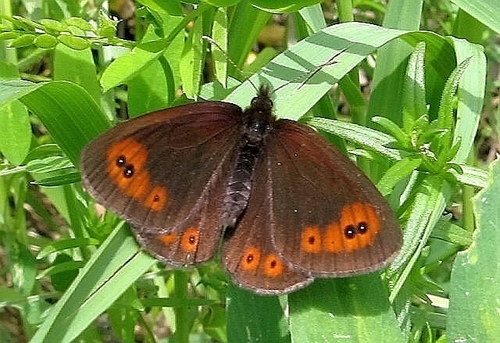
The Common Alpine is a beautiful butterfly that loves to flutter around in the mountains. With its dark wings and orange spots, it looks like a tiny piece of art flying through the air!
Habitat: Mountain regions
The Common Alpine is a medium-sized butterfly, typically dark brown with an orange-brown submarginal band on its wings. It often has prominent black eyespots, sometimes with white pupils, on its forewings. Its drab colors help it blend into rocky, high-altitude environments.
Category
InsectsRarity
Common
Danger
1/5 · Very low
Snaps
1
Adult Common Alpines only live for about two weeks, making every moment precious!
Its caterpillar stage spends winter frozen in the snow before becoming a butterfly!
Some people call them 'browns' because of their earthy, camouflaged wing colors.
You can often find them above the tree line, where few other butterflies dare to fly!
Common Alpine can fly in cooler mountain temperatures that help them stay active when other butterflies hide.
Common Alpine has dark wings and patterns that help them blend perfectly into the rocky alpine landscape, avoiding predators.
Common Alpine can perform a low, bouncy flight pattern that helps them navigate windy mountain slopes more easily.
Adults sip sweet nectar from flowers, while caterpillars munch on grassy plants.
Age differences: Larvae primarily consume grasses and other low-growing plants, while adults feed exclusively on flower nectar.
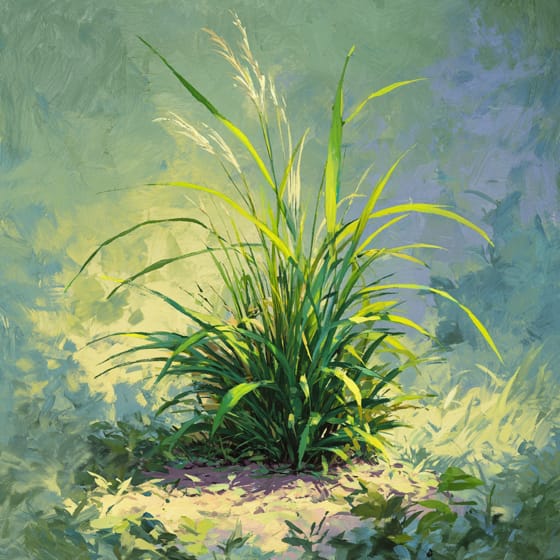
Poa pratensis
Caterpillars feed on its leaves for growth.
Erigeron speciosus
Adult butterflies sip nectar from its blossoms.
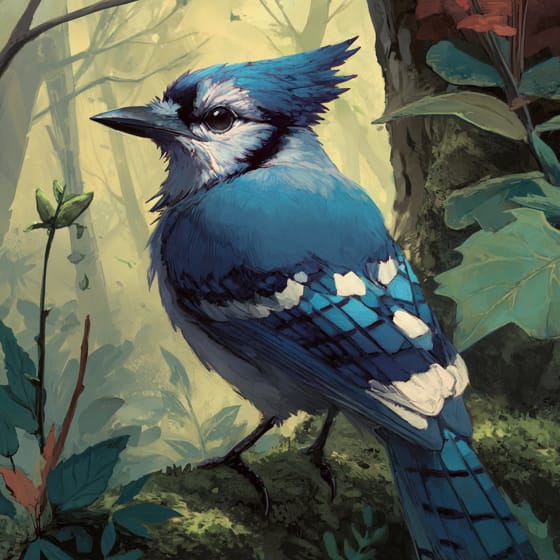
Cyanocitta cristata
Birds sometimes prey on unwary butterflies.
Marked with spots or patches of a different color.
Solitary animals live alone for most of their lives, only interacting with others for mating or parental care.
Camouflaged describes organisms that possess coloring or patterns that allow them to blend into their environment.
Colorful describes organisms or objects displaying a wide range of bright and distinct colors.

This trait characterizes organisms whose diet consists entirely or primarily of plant material.

Describes plants that are particularly attractive and beneficial to a wide range of pollinating organisms.

This habitat trait identifies species found in mountainous regions, characterized by high elevation, steep slopes, and varying climate zones.

Diurnal animals are primarily active during daylight hours, typically resting or sleeping at night.

Describes organisms that transfer pollen, enabling the fertilization and reproduction of plants.
No aliases listed yet.
Danger
1/5 · Very low
Be gentle and quiet around butterflies so you don't scare them away.
The easiest way to identify Common Alpine is to use the Snappit nature identifier app.
40-50 mm
15-20 mm
7-14 days
10 km/h
Adults sip sweet nectar from flowers, while caterpillars munch on grassy plants.
Mountain regions
Foraging
Zoom in to split clusters and explore where this object has been snapped.

Wyoming, US
You might spot Moose, Arrowleaf Balsamroot, and Black Bear.
View guide →
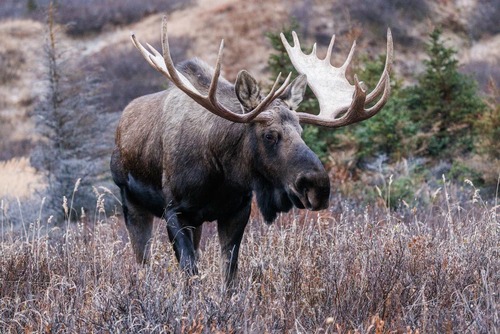
Wyoming, US
You might spot Moose, Black Bear, and Sticky Geranium.
View guide →

Wyoming, US
You might spot Moose, Uinta Ground Squirrel, and Arrowleaf Balsamroot.
View guide →
British Columbia, CA
You might spot Common Alpine, Common Juniper, and Field Chickweed.
View guide →
Take the discovery with you
Snap it with Snappit to identify it, learn what makes it special, and add the discovery to your collection.







.jpg&width=800)



