





Caenurgina
Caenurgina
Caenurgina is a type of moth that is often found in gardens and fields. These moths have beautiful patterns on their wings and are mostly active at night, fluttering around lights.
Habitat: Gardens and fields
The Caenurgina moth is typically adorned in muted tones of brown, grey, or reddish-brown, often featuring distinct wavy lines or subtle spots across its forewings. These earthy patterns help it blend seamlessly into its natural surroundings, making it visually different from brightly colored butterflies.
Category
InsectsRarity
Common
Danger
1/5 · Very low
Snaps
Be the first to snap!
Most Caenurgina fly only at night, guided by moonlight or faint stars!
Moth wings are covered in thousands of tiny, colorful scales, like shimmering dust!
Some species of Caenurgina moths migrate long distances, like tiny winged travelers!
Their caterpillars are often called 'loopers' because they move like an inchworm!
Caenurgina can vanish by blending into bark or leaves because of its cryptic wing patterns, helping them hide from predators.
Caenurgina has a long, coiled proboscis that helps them sip nectar deep inside flowers, getting sugary fuel.
Caenurgina has special 'ears' (tympanal organs) on its body that helps them hear approaching bats, avoiding capture.
Caenurgina caterpillars munch on plants, while adult moths sip sweet nectar.
Age differences: Caterpillars eat plant leaves, while adult moths feed only on flower nectar.

Medicago sativa
Larvae consume its leaves.

Trifolium pratense
Larvae feed on its foliage.
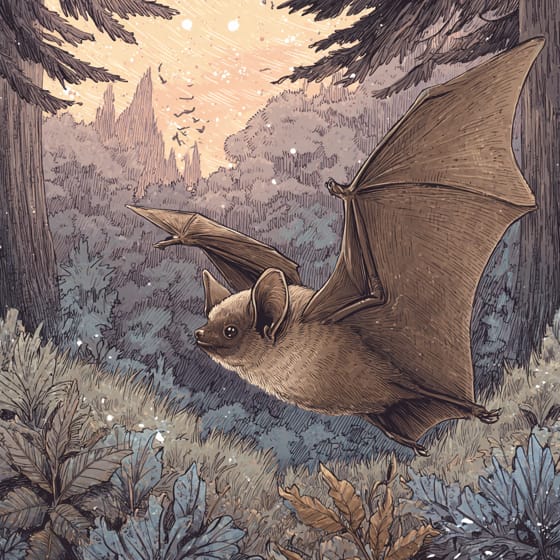
Myotis lucifugus
Nocturnal hunter preys on moths.
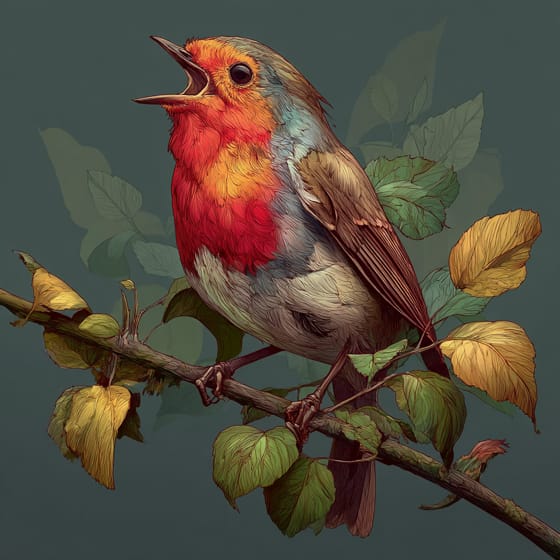
Turdus migratorius
Diurnal bird catches resting moths.

Trifolium repens
Adults transfer pollen between flowers.
Solitary animals live alone for most of their lives, only interacting with others for mating or parental care.
Camouflaged describes organisms that possess coloring or patterns that allow them to blend into their environment.
Colorful describes organisms or objects displaying a wide range of bright and distinct colors.
Grassland habitats are terrestrial biomes dominated by grasses and herbaceous plants, supporting a variety of grazing animals.

This trait characterizes organisms whose diet consists entirely or primarily of plant material.

Describes plants that are particularly attractive and beneficial to a wide range of pollinating organisms.

This habitat trait indicates species that can coexist with humans in urban and suburban environments, utilizing man-made structures and green spaces.

Nocturnal animals are primarily active during the nighttime hours, typically resting or sleeping during the day.

Describes organisms that transfer pollen, enabling the fertilization and reproduction of plants.
No aliases listed yet.
Danger
1/5 · Very low
Moths are usually harmless, but it's best to watch them from a distance.
The easiest way to identify Caenurgina is to use the Snappit nature identifier app.
30-50 mm
15-30 mm
60-90 days
10 km/h
Caenurgina caterpillars munch on plants, while adult moths sip sweet nectar.
Gardens and fields
Foraging
Zoom in to split clusters and explore where this object has been snapped.
Recent snaps will appear here as new observations are added.
Take the discovery with you
Snap it with Snappit to identify it, learn what makes it special, and add the discovery to your collection.







.jpg&width=800)



