





Common Crane
Grus grus
The Common Crane is a tall bird with long legs and a beautiful, graceful neck. They are known for their loud, trumpeting calls and often dance during mating season, making them a sight to see!
Habitat: Wetlands
The Common Crane is a tall, elegant grey bird with long legs and a long neck. It has a distinctive red patch on its crown and striking black and white stripes on its head and neck, making it visually distinct from herons.
Category
BirdsRarity
Common
Danger
1/5 · Very low
Snaps
Be the first to snap!
A crane's incredible call comes from a coiled windpipe, making it super loud and carrying far!
Common Cranes are one of Europe's tallest birds, standing over a meter high!
Some crane migration routes are so ancient, they were likely flown by their ancestors millions of years ago!
They often perform energetic 'unison dances' involving bowing, jumping, and stick throwing!
Common Cranes have a loud, trumpeting call from a long windpipe, allowing them to communicate across vast distances.
Common Cranes perform elaborate, leaping dances to attract mates and strengthen their pair bonds.
Common Cranes have very long legs and toes, helping them wade through shallow waters to find food.
These omnivores eat a mix of plants, grains, insects, and small critters found on the ground.
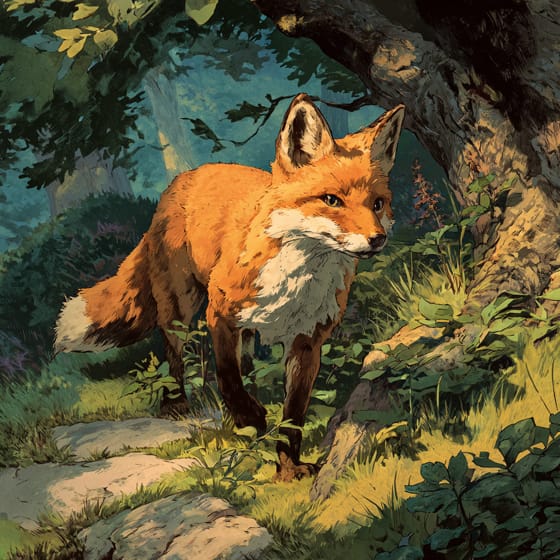
Vulpes vulpes
preys on eggs and chicks in nesting areas
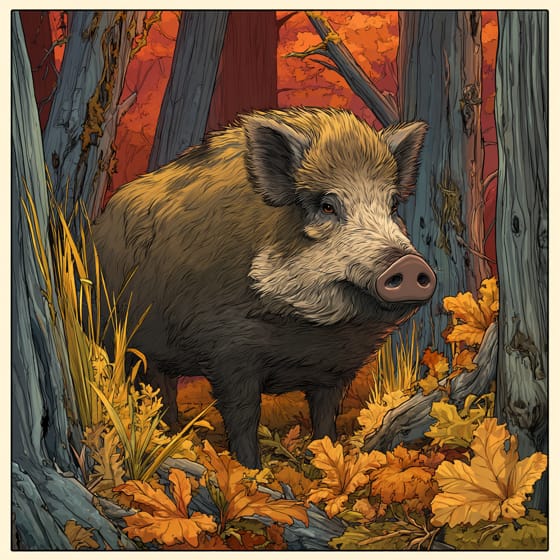
Sus scrofa
forages for eggs and young in nesting areas
Zea mays
feeds on fallen grains in agricultural fields

Phragmites australis
uses dense reeds for nesting shelter and material
Feathered describes animals, primarily birds, possessing a covering of feathers.
Social animals live in organized groups, cooperating for survival benefits such as foraging, defense, and raising offspring.
This trait identifies organisms whose diet includes both plant and animal matter.
Singing animals produce complex vocalizations, often for purposes of attracting mates, defending territory, or communicating within their species.

Colorful describes organisms or objects displaying a wide range of bright and distinct colors.

This habitat trait identifies species found in wetlands, which are areas of land saturated with water, either permanently or seasonally, including marshes, swamps, and bogs.

Migratory animals undertake seasonal movements from one region to another, typically in response to changes in climate or food availability.
No aliases listed yet.
Danger
1/5 · Very low
Always watch birds from a distance and don't disturb their nests.
The easiest way to identify Common Crane is to use the Snappit nature identifier app.
100-130 cm
180-240 cm
4.5-6.1 kg
15-20 years
65 km/h
These omnivores eat a mix of plants, grains, insects, and small critters found on the ground.
Wetlands
Zoom in to split clusters and explore where this object has been snapped.
Recent snaps will appear here as new observations are added.
Take the discovery with you
Snap it with Snappit to identify it, learn what makes it special, and add the discovery to your collection.




.jpg&width=800)








