




Common Duckweed
Lemna minor
Common Duckweed is a tiny plant that floats on water. It looks like little green dots and is often found in ponds and lakes, making it a fun plant to spot while exploring nature!
Habitat: Wetlands
The Common Duckweed is a tiny, bright green, oval-shaped plant that floats on water surfaces. It has one small root hair hanging underneath each frond, distinguishing it from slightly larger, similar-looking water plants.
Category
PlantsRarity
Common
Danger
1/5 · Very low
Snaps
2
Each tiny duckweed plant has only one root, which is usually no bigger than a single hair!
It can double its population in just a few days, making it super fast-growing.
Scientists are studying duckweed as a potential future food source for humans and animals.
The Common Duckweed is one of the smallest flowering plants on Earth!
Common Duckweed can quickly multiply by budding, allowing it to cover water surfaces very fast.
This plant can absorb excess nutrients and pollutants from water, helping to clean its environment.
Common Duckweed forms special dense buds called turions that sink to the bottom to survive winter's cold.
Anas platyrhynchos
Mallards and other ducks readily feed on floating duckweed.
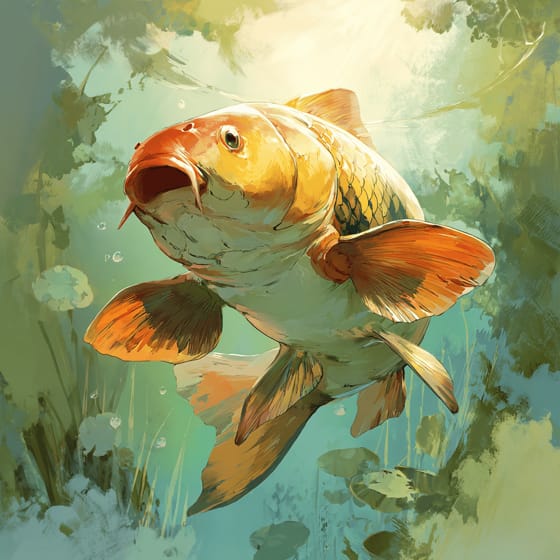
Cyprinus carpio
Carp graze on duckweed, especially in still, nutrient-rich waters.
Lymnaea stagnalis
Snails commonly feed on duckweed as a primary food source.
Describes organisms capable of converting atmospheric nitrogen into compounds usable by plants.
Ornamental plants are cultivated primarily for their aesthetic appeal, enhancing landscapes and gardens with their attractive foliage, flowers, or form.
Edible plants are those parts of a plant that are considered safe for human consumption.
Rapid growing plants exhibit accelerated growth rates, quickly increasing in size and biomass within a short period.

Describes organisms that break down dead organic material, recycling nutrients back into the ecosystem.

This habitat trait identifies species found in wetlands, which are areas of land saturated with water, either permanently or seasonally, including marshes, swamps, and bogs.

Freshwater habitats include non-saline aquatic environments such as rivers, lakes, ponds, and wetlands, vital for numerous species.

Describes a species whose presence and role have a disproportionately large effect on its environment.

Aquatic habitats encompass environments where organisms live predominantly in water, including oceans, rivers, lakes, and wetlands.
No aliases listed yet.
Danger
1/5 · Very low
Always stay close to an adult when exploring ponds and lakes.
The easiest way to identify Common Duckweed is to use the Snappit nature identifier app.
0.1-0.2 cm
0.2-0.5 cm
Yes
None
Perennial
Wetlands
Zoom in to split clusters and explore where this object has been snapped.

West Virginia, US
You might spot Virginia Bluebells, Bloodroot, and Maidenhair Spleenwort.
View guide →

Illinois, US
You might spot Prickly Cucumber and Golden Oyster Mushroom.
View guide →
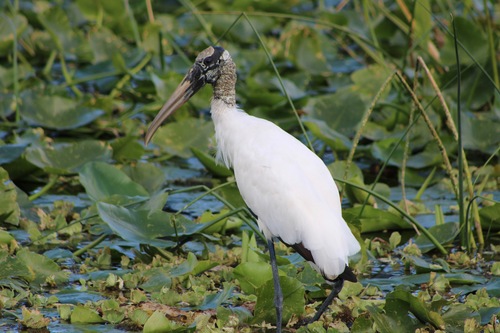
Florida, US
You might spot Wood Stork, Brown Anole, and Taro.
View guide →
Take the discovery with you
Snap it with Snappit to identify it, learn what makes it special, and add the discovery to your collection.









.jpg&width=800)



_001.jpg&width=800)



