





Fox Grape
vitis labrusca
The Fox Grape produces sweet, juicy grapes that are enjoyed by many animals! It can be found climbing up trees and fences, making the world a little greener.
Habitat: Fox Grapes thrive in forests, fields, and near riverbanks.
The Fox Grape is a vigorous climbing vine with large, deeply lobed green leaves that can turn reddish in fall. It produces small, greenish-yellow flowers and distinctive clusters of round, dark purple grapes often covered in a whitish, powdery 'bloom'.
Category
PlantsRarity
Common
Danger
0/5 · No known danger
Snaps
2
Some Native American tribes used Fox Grapes for food and medicine.
The 'foxy' smell of these grapes is where they got their name!
These hardy vines can live for decades, producing fruit year after year!
Your favorite grape juice might be made from Fox Grapes!
Fox Grape has strong, coiling tendrils to climb high into trees and over fences, reaching sunlight.
Fox Grape's fruit has a thick skin and powdery 'bloom' protecting it from drying out and pests.
Fox Grape can grow very quickly and produce many seeds, helping it spread and colonize new areas.
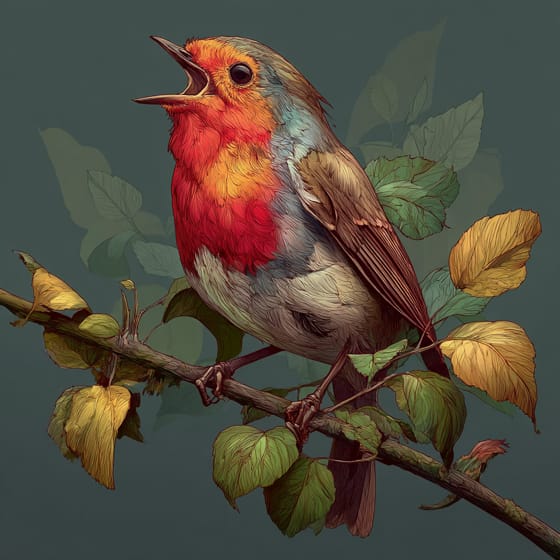
Turdus migratorius
Fruit provides energy for migrating and nesting birds.

Procyon lotor
Grapes are a favored food source for raccoons in late summer.
Didelphis virginiana
Opossums enjoy ripe fox grapes as part of their varied diet.
.jpg&width=800)
Hylocichla mustelina
Wild grapes are a vital autumn food for the Wood Thrush.
Social animals live in organized groups, cooperating for survival benefits such as foraging, defense, and raising offspring.
Arboreal animals live primarily in trees, utilizing them for shelter, food, and protection from predators.
Colorful describes organisms or objects displaying a wide range of bright and distinct colors.
This trait characterizes organisms whose diet consists entirely or primarily of plant material.

Forest habitats are terrestrial environments dominated by dense tree cover, supporting a high diversity of plant and animal life.
Danger
0/5 · No known danger
No special safety notes yet.
The easiest way to identify Fox Grape is to use the Snappit nature identifier app.
300-1500 cm
100-500 cm
0.2-0.5 cm
Late spring to early summer
Yes
None
Perennial
Zoom in to split clusters and explore where this object has been snapped.

Massachusetts, US
You might spot Eastern White Pine and Great Blue Heron.
View guide →

Connecticut, US
You might spot Common Eastern Bumble Bee, Painted Turtle, and Red Fox.
View guide →

Connecticut, US
You might spot Common Mugwort, Red-Tailed Hawk, and Eastern Gray Squirrel.
View guide →
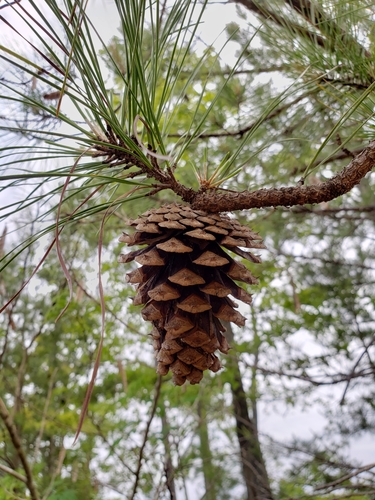
Virginia, US
You might spot Loblolly Pine, Fox Grape, and Sensitive Fern.
View guide →
Take the discovery with you
Snap it with Snappit to identify it, learn what makes it special, and add the discovery to your collection.








.jpg&width=800)



_001.jpg&width=800)




