





Beach Plum
Prunus maritima
The Beach Plum is a small shrub that grows near the ocean. It has beautiful white flowers in spring and tasty plums in late summer that are great for making jams and jellies!
Habitat: Coastal areas
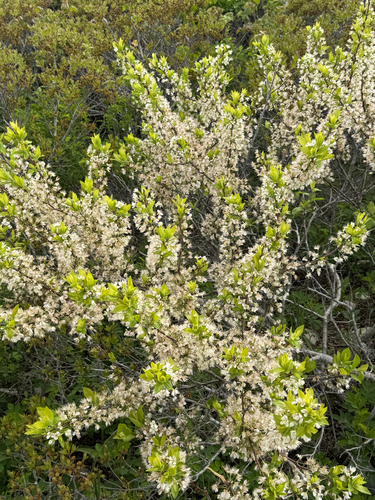
The Beach Plum is a hardy, sprawling shrub with dark green, somewhat leathery leaves. In spring, it is adorned with clusters of small, five-petaled white flowers. These develop into tart, round purple-red fruits, resembling miniature plums, by late summer.
Category
PlantsRarity
Common
Danger
1/5 · Very low
Snaps
5
Beach Plum fruit was a vital food and medicine source for Native Americans for centuries!
Its beautiful spring flowers look like tiny white cherry blossoms covering the coastal shrubs!
The fruit becomes even sweeter after the first autumn frost, perfect for delicious jellies!
This amazing plant can live for over 50 years, helping stabilize coastal dunes for decades!
Beach Plum can thrive in salty sea spray and sandy soil because its tough, waxy leaves protect it from drying out.
Beach Plum has strong, widely spreading roots that grip loose sand, helping to prevent precious coastal dunes from eroding.
Beach Plum can grow in very dry, nutrient-poor sandy conditions thanks to its deep roots that seek out underground water.
Apis mellifera
collects nectar and pollen from flowers.
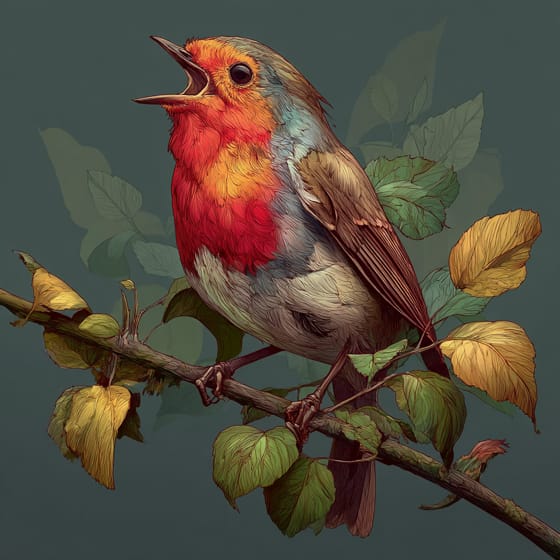
Turdus migratorius
feasts on ripe Beach Plum fruits.

Odocoileus virginianus
browses on young twigs and foliage.
Deciduous plants periodically shed all their leaves, typically during autumn or dry seasons.
Flowering plants are any plants that produce flowers as part of their reproductive cycle.
A shrub is a woody plant smaller than a tree, typically with multiple stems branching from or near the ground.
Spring blooming plants produce their flowers during the spring season, often signifying the end of winter and the start of new growth.

Fruit-bearing plants produce fruits, which are the mature ovaries of flowering plants containing seeds.
Salt tolerant plants can withstand and grow in conditions with elevated salinity levels in the soil or water.

Edible plants are those parts of a plant that are considered safe for human consumption.

Coastal habitats are dynamic environments located along the interface between land and sea, influenced by tides, waves, and saltwater.
Danger
1/5 · Very low
Always wash your hands after touching plants, and don't eat anything unless an adult says it's safe.
The easiest way to identify Beach Plum is to use the Snappit nature identifier app.
50-200 cm
100-300 cm
1-1.5 cm
Spring
Yes
Mild
Perennial
Zoom in to split clusters and explore where this object has been snapped.
May 28, 2026
Slocum's River ReservePhoto attribution
no rights reserved
License: CC0 1.0 ↗
Image may be shown cropped inside the card frame.

Connecticut, US
You might spot Diamondback Terrapin, Canada Goose, and Osprey.
View guide →

New Jersey, US
You might spot Sweet Pepperbush, Sheep Laurel, and Pickerelweed.
View guide →

Massachusetts, US
You might spot Common Eastern Bumble Bee and White-Tailed Deer.
View guide →

Massachusetts, US
You might spot Monarch, Red-Winged Blackbird, and Osprey.
View guide →
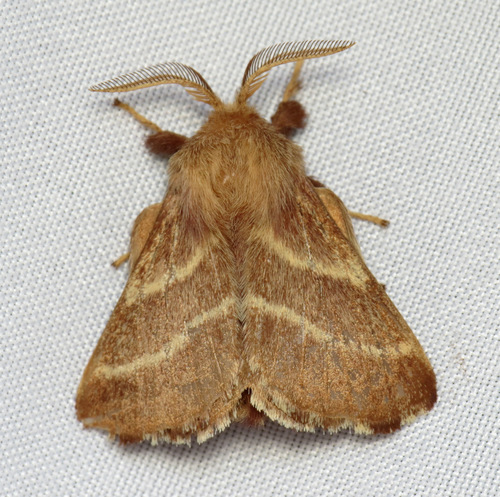
New York, US
You might spot Eastern Tent Caterpillar Moth and Common Mugwort.
View guide →
Take the discovery with you
Snap it with Snappit to identify it, learn what makes it special, and add the discovery to your collection.







.jpg&width=800)



_001.jpg&width=800)



