





Common Dwarf Mongoose
Helogale parvula
The Common Dwarf Mongoose is a small and playful animal that loves to explore. They live in groups and are known for their curious nature and quick movements.
Habitat: Savannas
The Common Dwarf Mongoose is a tiny mammal with a slender body, small head, and pointed snout. It has soft fur that ranges from reddish-brown to dark brown, often with a speckled appearance. Its short legs and bushy tail complete its distinctive look.
Category
MammalsRarity
Common
Danger
2/5 · Low
Snaps
Be the first to snap!
Each mongoose has a unique scent, allowing them to recognize every friend in their group.
These tiny hunters often share their food finds with all members of their family.
They are the smallest carnivores found in all of Africa!
Whole groups help raise the babies, taking turns babysitting and teaching them.
Common Dwarf Mongoose has excellent eyesight that helps them spot tiny insects and hidden predators lurking in the savanna grasses.
Common Dwarf Mongoose can live in large family groups, which helps them confuse predators and share lookout duties for safety.
Common Dwarf Mongoose uses special glands to mark territory with unique scents, letting other mongooses know who is around.
They are agile hunters, primarily feasting on small insects, but also enjoying other tiny creatures they can catch.
Aquila rapax
A large bird of prey that hunts small mammals like mongooses.
Naja nigricollis
A venomous snake that preys on small animals and can be a threat.
Macrotermes natalensis
A common termite species they dig out and feast upon.
Agama agama
A frequent lizard prey found in their savanna habitat.
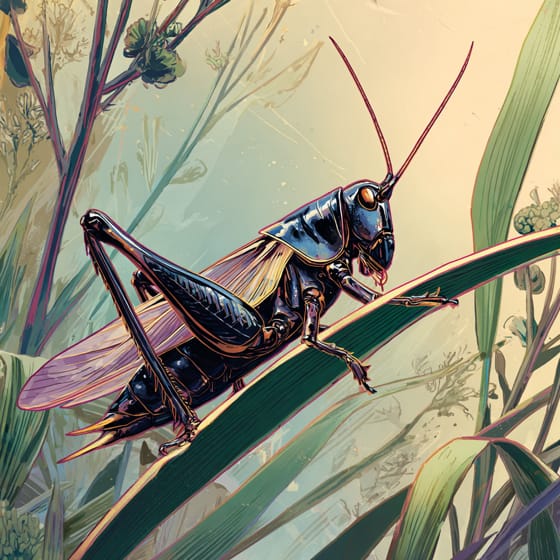
Gryllus assimilis
A widespread insect that forms a significant part of their diet.
Furry describes animals possessing a dense covering of soft hair or fur.
Social animals live in organized groups, cooperating for survival benefits such as foraging, defense, and raising offspring.
This trait identifies organisms whose diet primarily consists of insects and other small invertebrates.
This habitat trait denotes species native to savannas, which are grasslands with scattered trees, typically found in tropical or subtropical regions with distinct wet and dry seasons.

Diurnal animals are primarily active during daylight hours, typically resting or sleeping at night.

This trait identifies organisms that exhibit exceptional swiftness in movement for hunting, escape, or travel.
No aliases listed yet.
Danger
2/5 · Low
Always watch from a distance and don't try to touch wild animals.
The easiest way to identify Common Dwarf Mongoose is to use the Snappit nature identifier app.
18-28 cm
0.2-0.5 kg
8-10 years
25 km/h
They are agile hunters, primarily feasting on small insects, but also enjoying other tiny creatures they can catch.
Savannas
Foraging
Zoom in to split clusters and explore where this object has been snapped.
Recent snaps will appear here as new observations are added.
Take the discovery with you
Snap it with Snappit to identify it, learn what makes it special, and add the discovery to your collection.




.jpg&width=800)


.JPG&width=800)



.jpg&width=800)
