





Common Eyebright
Euphrasia nemorosa
Common Eyebright is a small, lovely flower that often grows in grassy places. Its pretty white and purple petals attract bees and butterflies, making it a cheerful sight in nature.
Habitat: Grasslands
The Common Eyebright is a small, delicate plant with tiny white or pale purple flowers. Its blossoms often feature a striking yellow spot and delicate purple lines on the lower lip, which guide pollinators. The small, oval leaves have toothed edges and grow opposite each other.
Category
PlantsRarity
Common
Danger
1/5 · Very low
Snaps
Be the first to snap!
Despite being tiny, it helps keep fields healthy by weakening dominant grasses.
Eyebright seeds are so small, they look like dust and can be carried by wind!
Its name comes from ancient beliefs that it could make eyes bright and healthy!
This small plant is often used in traditional herbal medicine for eye remedies.
Common Eyebright can steal water and nutrients from the roots of nearby grasses, helping it grow strong.
Its tiny flowers have special markings called nectar guides, helping insects find the sweet reward inside.
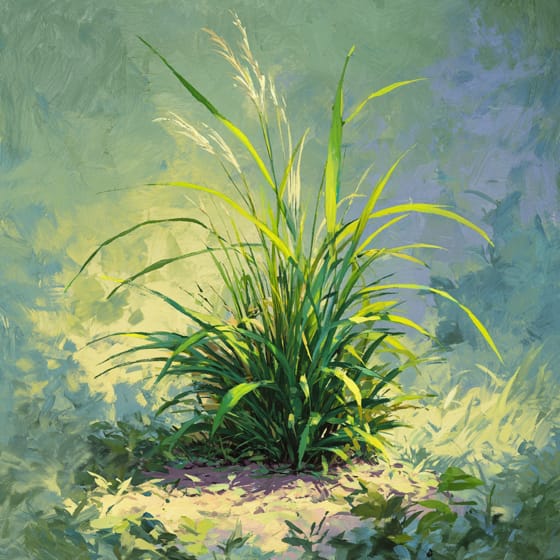
Poa pratensis
Steals water and nutrients from roots.
Apis mellifera
Bees are attracted to its nectar guides.
Bombus terrestris
Bumblebees visit its small, tubular flowers.
Ornamental plants are cultivated primarily for their aesthetic appeal, enhancing landscapes and gardens with their attractive foliage, flowers, or form.
Summer blooming plants produce their flowers during the summer season, often providing vibrant color when many other plants have finished.
Medicinal plants possess chemical compounds that can be used for therapeutic purposes to treat illnesses or maintain health.
Grassland habitats are terrestrial biomes dominated by grasses and herbaceous plants, supporting a variety of grazing animals.

Describes plants that are particularly attractive and beneficial to a wide range of pollinating organisms.
No aliases listed yet.
Danger
1/5 · Very low
Always look but don't pick flowers, so they can keep growing for everyone to enjoy!
The easiest way to identify Common Eyebright is to use the Snappit nature identifier app.
5-25 cm
5-10 cm
0.4-0.8 cm
Summer to fall
No
None
Annual
Zoom in to split clusters and explore where this object has been snapped.
Recent snaps will appear here as new observations are added.
Take the discovery with you
Snap it with Snappit to identify it, learn what makes it special, and add the discovery to your collection.









.jpg&width=800)



_001.jpg&width=800)




