




Common Kidney-Vetch
Anthyllis vulneraria
Common Kidney-Vetch is a cheerful little plant with bright yellow flowers. It grows in grassy places and helps feed bees and butterflies. It's a great friend to nature!
Habitat: Grasslands
The Common Kidney-Vetch has soft, downy stems and leaves, topped with distinctive, clover-like clusters of bright yellow, orange, or sometimes red flowers. These vibrant blossoms stand out against its grayish-green foliage, making it easily noticeable in meadows and dry grasslands.
Category
PlantsRarity
Common
Danger
1/5 · Very low
Snaps
Be the first to snap!
Even after flowering, its distinctive, swollen calyx makes it easy to spot in the meadow.
It's a vital food plant for caterpillars of the tiny Small Blue butterfly, a rare species!
Often called 'Lady's Fingers', its flower clusters resemble small, vibrant yellow gloves.
Remarkably, the flower color can shift from yellow to orange or red depending on the local soil.
Common Kidney-Vetch can pull nitrogen from the air into the soil, making it richer for itself and other plants.
Common Kidney-Vetch has deep roots that help it find water and nutrients in dry, nutrient-poor soils where others struggle.
Common Kidney-Vetch has compounds that were traditionally used to help heal wounds, giving it its scientific name!
Bombus terrestris
Visits flowers for nectar and pollen.
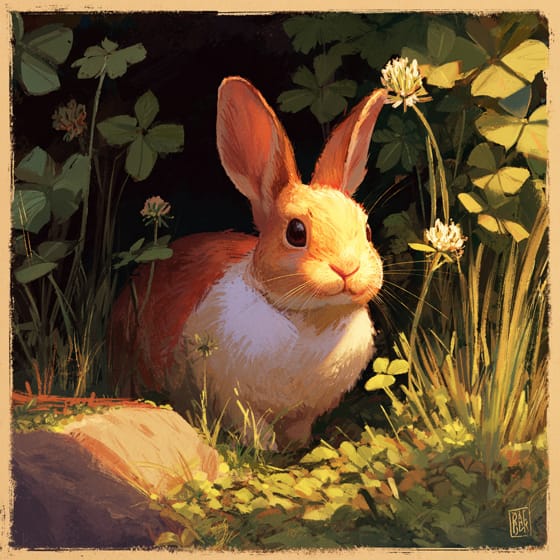
Oryctolagus cuniculus
Rabbits graze on its leaves and stems.
Cupido minimus
Its caterpillars feed exclusively on Kidney-Vetch leaves.
Pieris rapae
Feeds on nectar, helping transfer pollen.
Flowering plants are any plants that produce flowers as part of their reproductive cycle.
Describes organisms capable of converting atmospheric nitrogen into compounds usable by plants.
Summer blooming plants produce their flowers during the summer season, often providing vibrant color when many other plants have finished.
Fragrant flowers emit a pleasant aroma, often to attract pollinators or for defense.

Edible plants are those parts of a plant that are considered safe for human consumption.

Grassland habitats are terrestrial biomes dominated by grasses and herbaceous plants, supporting a variety of grazing animals.

Describes plants that are particularly attractive and beneficial to a wide range of pollinating organisms.

Describes a species whose presence and role have a disproportionately large effect on its environment.
No aliases listed yet.
Danger
1/5 · Very low
Always look but don't pick plants unless an adult says it's okay.
The easiest way to identify Common Kidney-Vetch is to use the Snappit nature identifier app.
10-60 cm
1-2 cm
Late spring to late summer
Yes
None
Perennial
Insect
Zoom in to split clusters and explore where this object has been snapped.
Recent snaps will appear here as new observations are added.
Take the discovery with you
Snap it with Snappit to identify it, learn what makes it special, and add the discovery to your collection.








.jpg&width=800)


_001.jpg&width=800)



