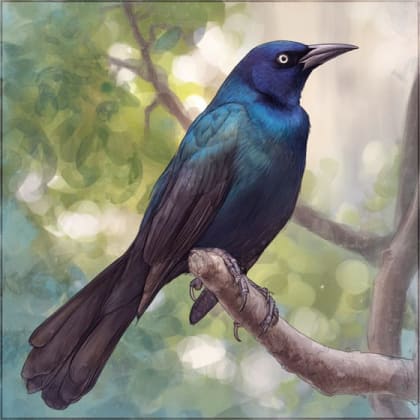

Eastern Newt

Explore a timeless agrarian landscape steeped in centuries of Virginian history.
Explore a timeless agrarian landscape steeped in centuries of Virginian history. The North Fork Valley Rural Historic District, nestled in Montgomery County, Virginia, preserves an exceptionally scenic and culturally rich environment. Extending approximately nine miles along the North Fork of the Roanoke River, this 10,200-acre district offers a tangible connection to the region's agricultural past, showcasing the evolution of settlement and farming practices from the mid-18th century through the mid-20th century. It's a place where the landscape itself tells a story of generations shaped by the land.
The district is a treasure trove of historical architecture and cultural elements. Visitors can discover a remarkable collection of domestic and agricultural buildings, ranging from common log structures and prominent I-houses to well-preserved outbuildings like smokehouses and springhouses. Key landmarks include the iconic McDonalds Mill, a frame grist mill erected in the 1850s, and the historic Rutledge House, considered one of the oldest surviving log dwellings in Western Virginia, offering insights into early frontier life. The area also features late 19th-century churches and early 20th-century schoolhouses, all set within a picturesque rural backdrop of open fields, ancient fence lines, and meandering streams.
A visit to the North Fork Valley Rural Historic District is an immersive experience, inviting contemplation of the intertwined history of humanity and the land. Driving through this designated historic area provides a unique opportunity to witness well-preserved farmsteads and agricultural vistas, reflecting an enduring agrarian way of life. It’s an ideal destination for those seeking a tranquil escape, a deeper understanding of Virginia's heritage, and a chance to capture the timeless beauty of a rural landscape shaped by centuries of human endeavor. Be ready to snap and learn! Get the Snappit app to identify any nature species you find here.
The North Fork Valley Rural Historic District holds profound historical significance, reflecting centuries of agricultural and community development in Virginia. The area's agrarian landscape boasts a rich history spanning from 1746 to 1970, capturing the successive stages of farming and settlement in the Roanoke Valley. It was officially recognized for its importance with its listing on the Virginia Landmarks Register in 1989 and subsequently on the National Register of Historic Places in 1991. The district's designation under National Register Criteria A (agriculture and community development), C (architecture), and D (archaeology) underscores its multifaceted historical value. It encompasses not only a significant rural landscape but also a substantial collection of domestic and agricultural buildings, historic archaeological sites, and industrial resources like mills. An update in 2021 extended its period of significance to 1970, further highlighting its role in illustrating mid-century dairy farming developments and the broader evolution of the region. Many of the early houses, some dating back to the late 18th century, still retain their original outbuildings, offering a tangible glimpse into the daily lives of past residents.
Take a leisurely drive along Virginia Route 785, which traverses the length of the valley, offering continuous views of the agrarian landscape and historic buildings. Appreciate the vernacular and high-style architecture from the public roads, observing details like the construction of historic barns, smokehouses, and springhouses. Photography is highly recommended to capture the pastoral beauty and architectural heritage.
Weather in Montgomery County, Virginia, varies seasonally. Summers are warm and humid, while winters can be cold with occasional snow. Spring and fall offer mild temperatures ideal for outdoor exploration.
The North Fork Valley Rural Historic District is primarily experienced via driving tours along public roads. Most of the contributing properties are private residences, but many are visible from the public right-of-way, making it accessible to those who can drive or be driven. Specific information on paved trails or accessible facilities beyond roadside viewing is not available, as it is a broad historic district rather than a curated park with visitor centers.
The architectural diversity of historic farmsteads, including log structures and I-houses, stands out. Don't miss McDonalds Mill, a focal point of the district, and the remarkably preserved Rutledge House, an early log dwelling. The scenic views of Paris Mountain and the meandering North Fork of the Roanoke River are also central to the experience.
Each card links to a full Explore page with photos, traits, and fun facts.
Start with the big picture, then zoom in to explore individual wildlife observations around this place.
Plan your route in advance, focusing on Virginia Route 785, which offers the best views of the district's highlights.
Bring a good camera or smartphone to capture the scenic landscapes and historic architecture.
Respect private property; admire structures from public roads and do not trespass.
Consider visiting during the spring or fall for optimal scenery and comfortable weather conditions.
Pack snacks, water, and perhaps a picnic, as dining options directly within the rural district may be limited.
Combine your visit with other nearby attractions in Montgomery County or the greater Roanoke Valley for a fuller experience.
May 29, 2026
May 27, 2026
May 27, 2026
May 12, 2026
May 12, 2026

Maryland, US
You might spot White-Tailed Deer and Eastern Gray Squirrel.
View guide →
.jpg)
District of Columbia, US
You might spot Eastern Gray Squirrel, Duck, and House Sparrow.
View guide →

Illinois, US
You might spot American Robin, Canada Goose, and House Sparrow.
View guide →

Virginia, US
You might spot Spotted Lanternfly and Northern Cardinal.
View guide →
Take the discovery with you
Identify the wildlife you spot, learn as you go, and keep a collection of the adventure.