





common morning-glory
Ipomoea purpurea
The common morning-glory is a beautiful flower that blooms in bright colors like purple, blue, and pink. It opens its petals in the morning and closes them at night, making it a special sight to see!
Habitat: Urban areas
The common morning-glory is a fast-growing vine with heart-shaped leaves and beautiful, trumpet-shaped flowers. Its blooms often feature vibrant shades of purple, blue, pink, or white, sometimes with a star-like pattern in the throat, making it distinct from smaller wild ivies.
Category
PlantsRarity
Common
Danger
2/5 · Low
Snaps
4
Each morning-glory flower is like a tiny satellite dish, pointing towards the sky!
Some types of morning-glory flowers can change color slightly throughout the day!
The vine always twists clockwise as it climbs, like a natural right-handed corkscrew!
This plant's seeds can stay alive in the soil for over 50 years, waiting to sprout!
Common morning-glory can quickly twine its stems around structures, climbing upwards to capture maximum sunlight for growth.
It has flowers that open fresh each morning and close by afternoon, perfectly timed for daily pollinator visits.
This plant produces many seeds, ensuring new morning-glories can grow easily in different places year after year.
Its seeds contain special compounds that taste bad to some animals, helping to defend against hungry munchers.
Bombus impatiens
collects nectar and pollen
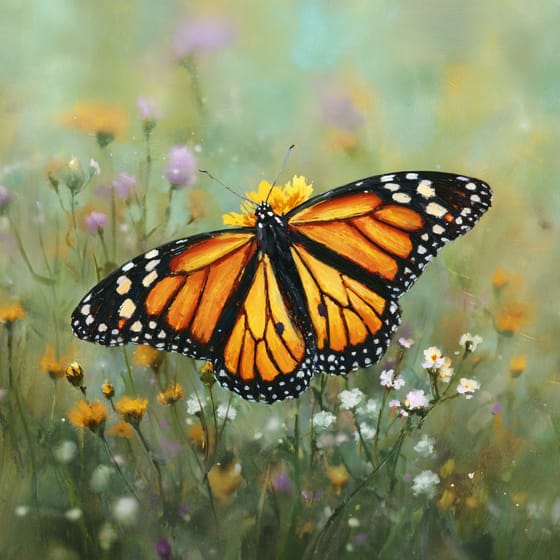
Danaus plexippus
sips nectar from flowers
Macrosiphum euphorbiae
sucks sap from leaves and stems
Spodoptera exigua
larvae feed on leaves
Climbing or vine plants are characterized by a growth habit that allows them to ascend upwards by twining, tendrils, or adhesive roots.
Flowering plants are any plants that produce flowers as part of their reproductive cycle.
Summer blooming plants produce their flowers during the summer season, often providing vibrant color when many other plants have finished.
Colorful describes organisms or objects displaying a wide range of bright and distinct colors.

Describes plants that are particularly attractive and beneficial to a wide range of pollinating organisms.

Rapid growing plants exhibit accelerated growth rates, quickly increasing in size and biomass within a short period.

This habitat trait indicates species that can coexist with humans in urban and suburban environments, utilizing man-made structures and green spaces.
No aliases listed yet.
Danger
2/5 · Low
While morning-glories are pretty, some parts can be harmful if eaten, so it's best to admire them from a distance.
The easiest way to identify common morning-glory is to use the Snappit nature identifier app.
200-400 cm
50-200 cm
3-7 cm
Summer to fall
No
Moderate
Annual
Zoom in to split clusters and explore where this object has been snapped.

West Virginia, US
You might spot Great Rhododendron and Mountain Laurel.
View guide →

New Jersey, US
You might spot Wild Teasel, Monarch, and Large Milkweed Bug.
View guide →

Georgia, US
You might spot Silk Tree, Joro Spider, and Kingsnake.
View guide →

Missouri, US
You might spot American Pokeweed and North American Wheel Bug.
View guide →
Take the discovery with you
Snap it with Snappit to identify it, learn what makes it special, and add the discovery to your collection.








.jpg&width=800)



_001.jpg&width=800)




