





Common Quail
Coturnix coturnix
The Common Quail is a small, plump bird known for its beautiful spotted feathers. They are often found in fields and grasslands, making soft calls that sound like little whistles.
Habitat: Grasslands
The Common Quail is a small, plump bird with streaky brown feathers that provide excellent camouflage in grasslands. Males have a distinct dark throat stripe, while females are paler with spotted breasts, making them hard to spot among the vegetation.
Category
BirdsRarity
Common
Danger
1/5 · Very low
Snaps
Be the first to snap!
Quails build their simple nests right on the ground, tucked safely in tall grasses.
Some quails migrate over vast deserts for days, never stopping for water!
The male Common Quail's call is so loud, you can hear it from far away!
They prefer to run and hide from danger rather than flying away immediately.
Common Quail has streaky brown feathers that help them blend perfectly into grassy fields, making them very hard to spot.
Common Quail can burst vertically into flight because of strong leg muscles that help them escape predators rapidly.
Common Quail can migrate thousands of kilometers because of efficient wings that help them travel across continents.
They eat seeds, grains, leaves, and small insects found close to the ground.
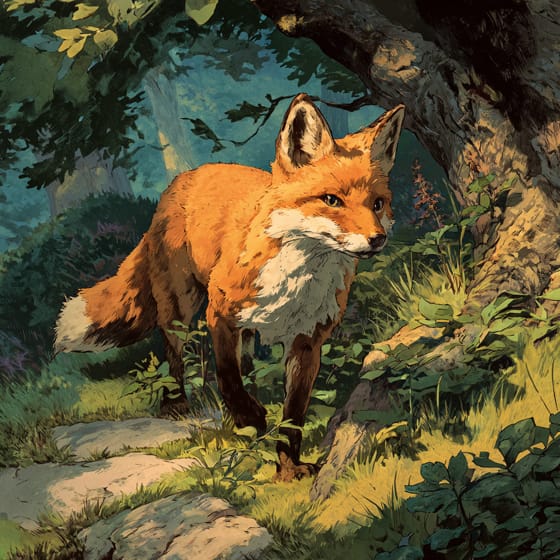
Vulpes vulpes
A common predator that hunts quails in their grassy habitats.
Falco tinnunculus
A bird of prey that hunts quails from the sky.
Formica rufa
Common Quails forage on the ground, eating various insects like ants.
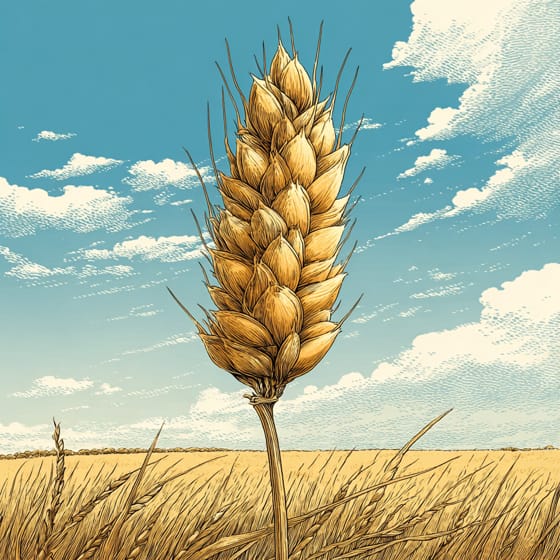
Triticum aestivum
Quails often feed on grains and seeds found in agricultural fields.
Mustela nivalis
A small mammal that preys on quails and their ground nests.
Feathered describes animals, primarily birds, possessing a covering of feathers.
Marked with spots or patches of a different color.
Social animals live in organized groups, cooperating for survival benefits such as foraging, defense, and raising offspring.
This trait identifies organisms whose diet includes both plant and animal matter.

Camouflaged describes organisms that possess coloring or patterns that allow them to blend into their environment.

Grassland habitats are terrestrial biomes dominated by grasses and herbaceous plants, supporting a variety of grazing animals.

Diurnal animals are primarily active during daylight hours, typically resting or sleeping at night.

This trait identifies organisms that exhibit exceptional swiftness in movement for hunting, escape, or travel.
No aliases listed yet.
Danger
1/5 · Very low
Always watch birds from a distance and don't try to catch them.
The easiest way to identify Common Quail is to use the Snappit nature identifier app.
16-18 cm
32-35 cm
0.07-0.14 kg
2-3 years
60 km/h
They eat seeds, grains, leaves, and small insects found close to the ground.
Grasslands
Zoom in to split clusters and explore where this object has been snapped.
Recent snaps will appear here as new observations are added.
Take the discovery with you
Snap it with Snappit to identify it, learn what makes it special, and add the discovery to your collection.




.jpg&width=800)









